- VIAC
-
ARBITRATION
- Arbitrate at VIAC
- VIAC eCase
- Combination of Arbitration and Mediation
- International Arbitration
- Resources
- NEWS & EVENTS
- Contact
-




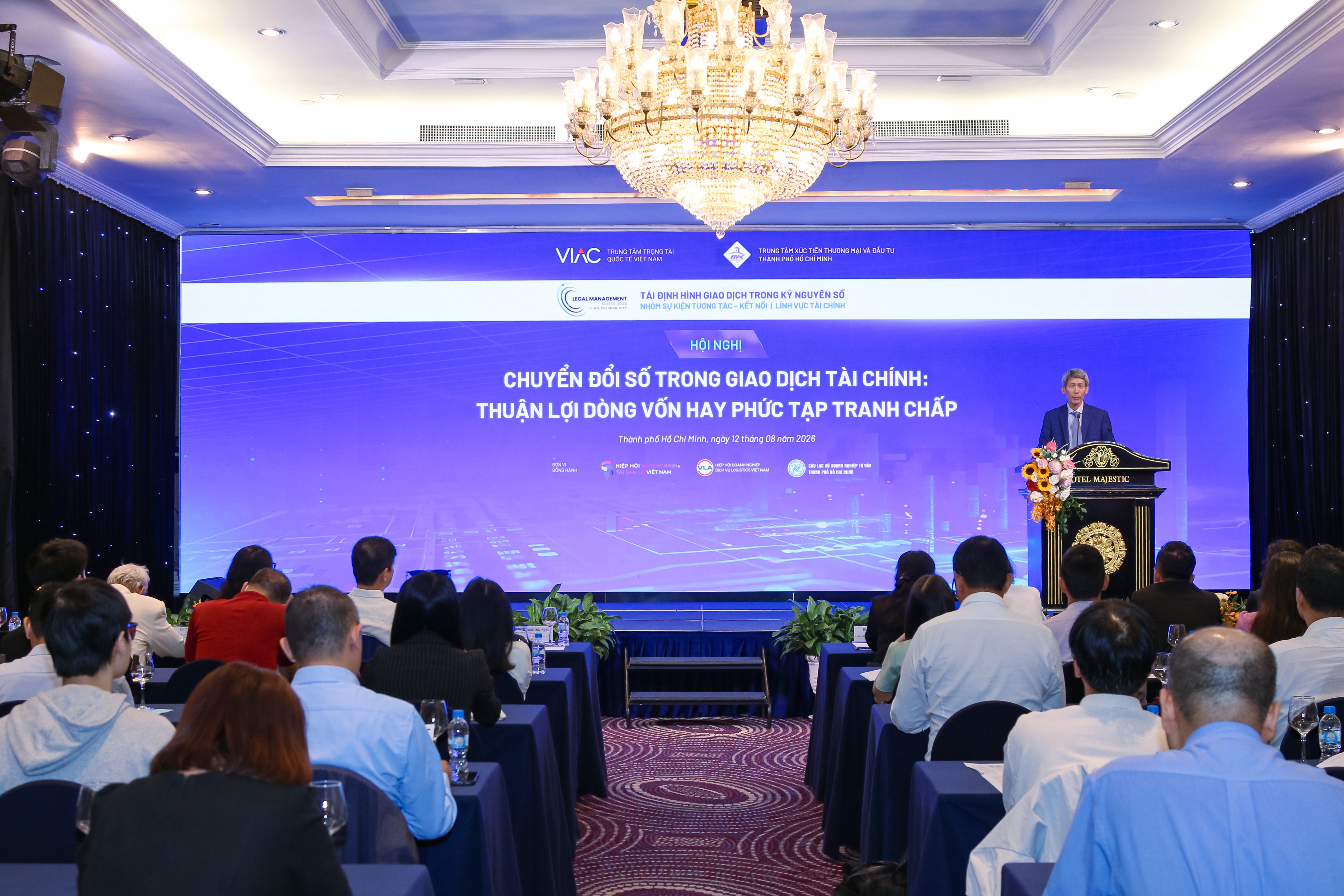
On August 12, 2026, in Ho Chi Minh City, kicking off the Ho Chi Minh City Legal Management Series 2026 (LMS 2026), the Ho Chi Minh City Investment and Trade Promotion Centre (ITPC) in collaboration with the Vietnam International Arbitration Centre (VIAC) co-organized the Conference on: “Digital transformation in financial transactions: Facilitation of capital flows or complication of disputes”. The event was successfully convened, bringing together renowned industry experts alongside over 200 delegates, including representatives from enterprises, commercial banks, credit institutions, lawyers…
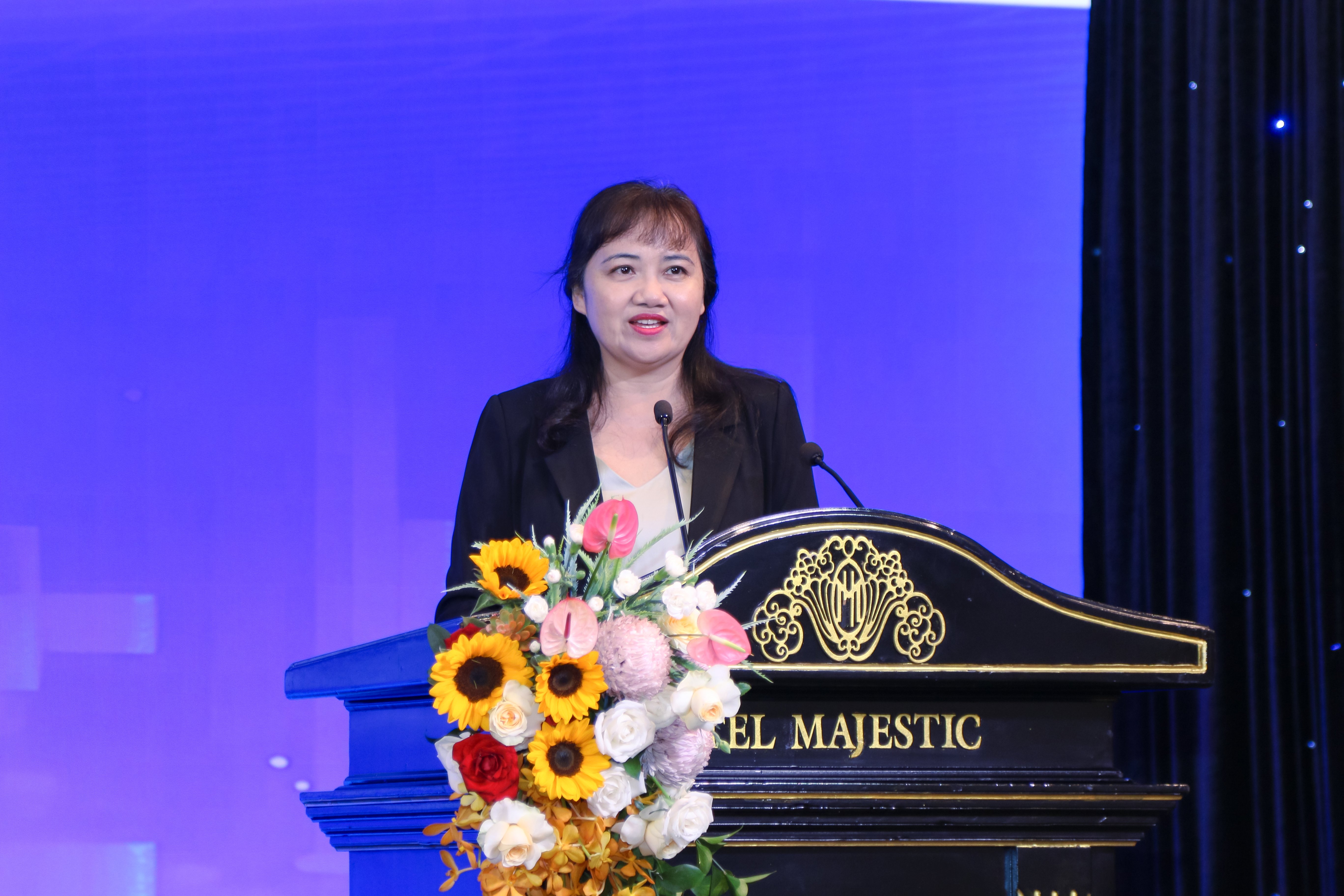
Ms. Cao Thi Phi Van – Deputy Director of the Ho Chi Minh City Investment and Trade Promotion Centre (ITPC)
Delivering the Opening speech at the Conference, Ms. Cao Thi Phi Van – Deputy Director of the Ho Chi Minh City Investment and Trade Promotion Centre (ITPC), observed that digital transformation is generating renewed momentum for production and business activities while expanding opportunities for enterprises to access financial services. In 2026, with the City setting a target for the digital economy to contribute over 30% of GRDP alongside accelerating the digitalization of key economic sectors, it is evident that digital transformation is becoming an essential driver in the development trajectory of the business community.
In this context, emerging transaction methods are offering enterprises diversified options in accessing capital, conducting payments, facilitating investments, and connecting with both domestic and international markets. She emphasized that parallel to expanding access to financial resources, enterprises must also be guaranteed a secure, transparent, and conducive transaction environment. Enhancing dialogues between experts and the business community will significantly contribute to identifying practical emerging issues, reinforcing enterprise confidence, and supporting the development of financial transactions within the digital environment.
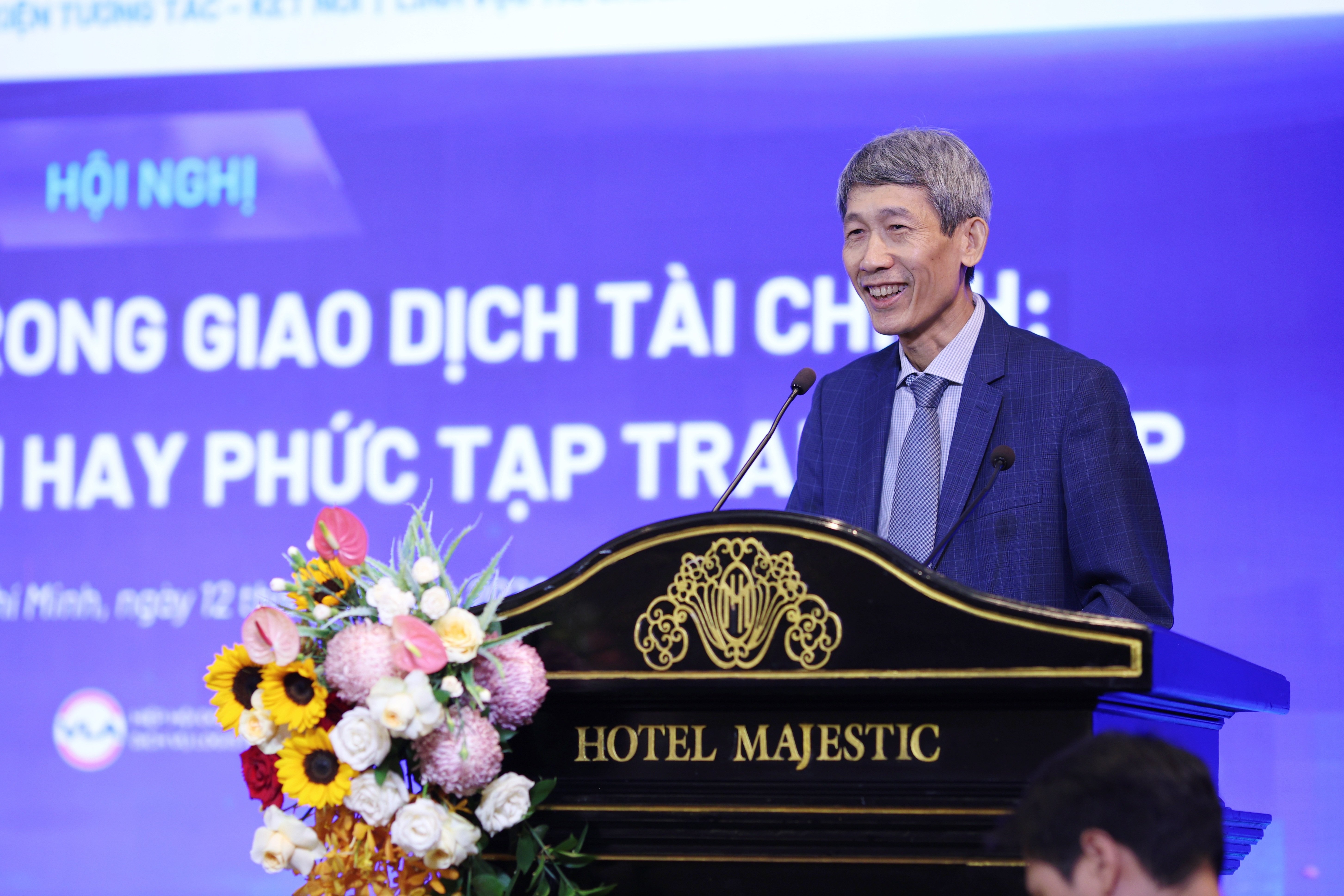
Assoc. Prof. Dr. Pham Duy Nghia – Vice President of the Vietnam International Arbitration Centre (VIAC)
Following the remarks by Ms. Cao Thi Phi Van, Assoc. Prof. Dr. Pham Duy Nghia – Vice President of the Vietnam International Arbitration Centre (VIAC), noted that the expansion of banking and financial activities, alongside novel capital mobilization methods, is unlocking further opportunities for enterprises while simultaneously demanding the continued refinement of the legal framework to ensure safe and sustainable market growth.
From dispute resolution practice, VIAC recorded that disputes in the banking & finance sector accounted for 10% of the total caseload administered in 2025. Concurrently, nearly half of all dispute cases at VIAC during the year involved at least one FDI entity and/or foreign element, illustrating that enterprise commercial and investment operations are increasingly intertwined with cross-border and multinational relations.
According to Mr. Nghia, current market dynamics in general and the financial sector in particular within the digital context require the legal system to foster sufficiently conducive conditions for capital-raising activities, keep pace with emerging transaction models, and safeguard the legitimate rights and interests of parties when disputes arise. Furthermore, developing and enhancing dispute resolution mechanisms remains a paramount imperative to reinforce enterprise confidence and lay a stable legal foundation for Vietnam’s financial market.
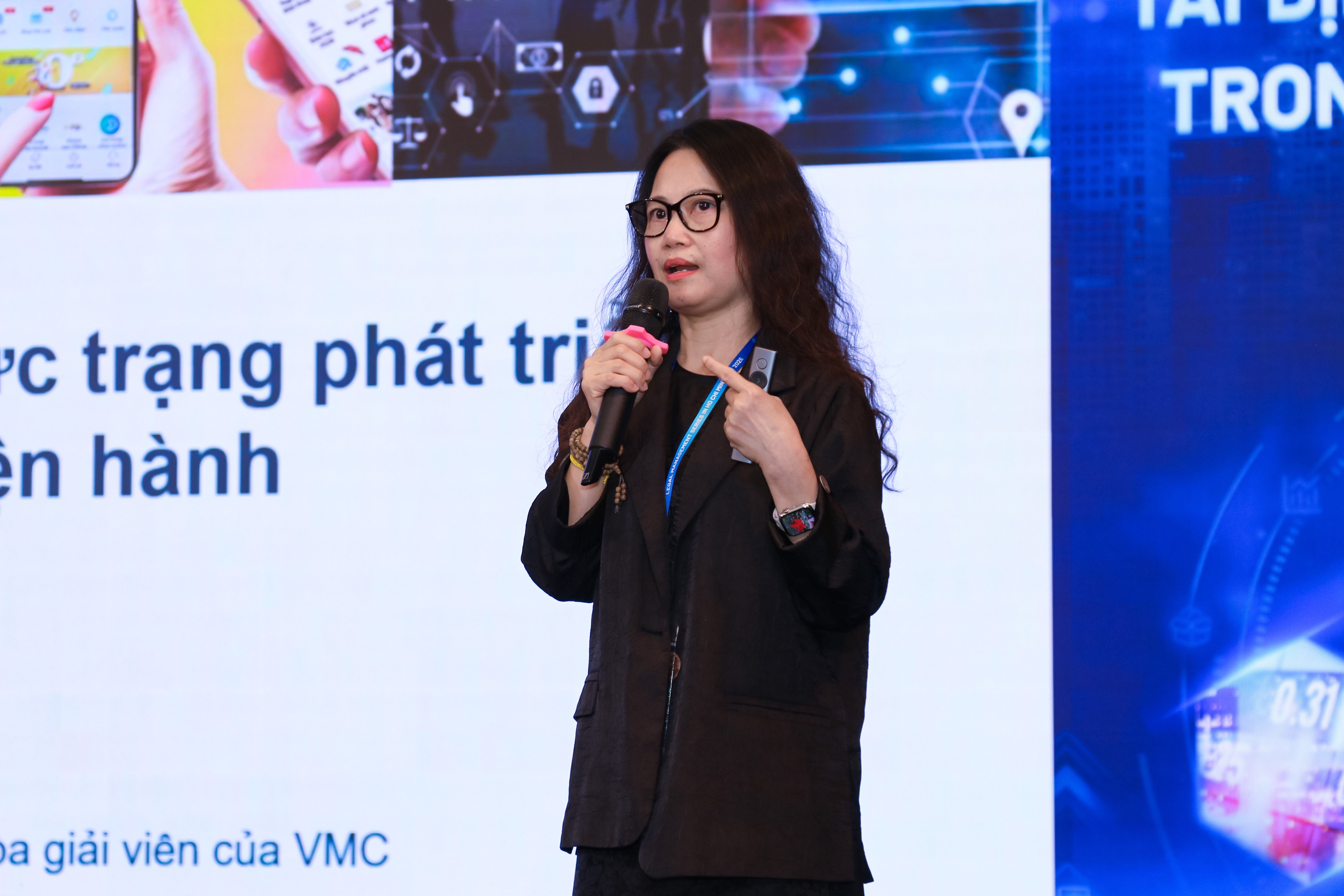
Ms. Pham Thi Thanh Huyen – Program Lead for Financial Infrastructure Development in Viet Nam and Cambodia, International Finance Corporation (IFC), World Bank Group (WBG), VIAC’s Arbitrator, VMC’s Mediator
At the Conference, Ms. Pham Thi Thanh Huyen – Program Lead for Financial Infrastructure Development in Viet Nam and Cambodia, International Finance Corporation (IFC), World Bank Group (WBG), VIAC’s Arbitrator, VMC’s Mediator, delivered a keynote presentation entitled “Digital financial transactions in Vietnam: Development status and challenges to the current legal framework”. Ms. Pham Thi Thanh Huyen observed that Vietnam’s digital finance landscape is undergoing robust growth, evidenced by the banked population rate reaching 87% and the volume of QR code transactions surging by 128.2% over the 2021 - 2025 period. This structural transition aims at curbing paper and cash reliance while broadening financial inclusion. Although Vietnam’s digital finance market is outpacing the global average, this rapid expansion concurrently introduces an array of non-traditional risks concerning data breaches, online fraud, cyberattacks, and the proliferation of business models operating without clear regulatory licenses. Facing the reality that the current legal framework remains fragmented across disparate legal instruments and lacks inter-agency coordination mechanisms, the IFC representative recommended that Vietnamese regulatory authorities swiftly transition toward a “risk-based supervision” model.
Concurrently, expediting the completion of the regulatory sandbox mechanism, establishing a legal framework for Open Banking, and bolstering technology-driven supervisory capabilities are of paramount urgency. Accordingly, the speaker outlined key policy recommendations for Vietnam: refining legal frameworks governing data, digital identity, cybersecurity, and consumer protection; enhancing data sharing, FinTech supervision, and dispute resolution mechanisms; and proactively promoting coordination among regulatory agencies, commercial banks, FinTech enterprises, and relevant stakeholders.
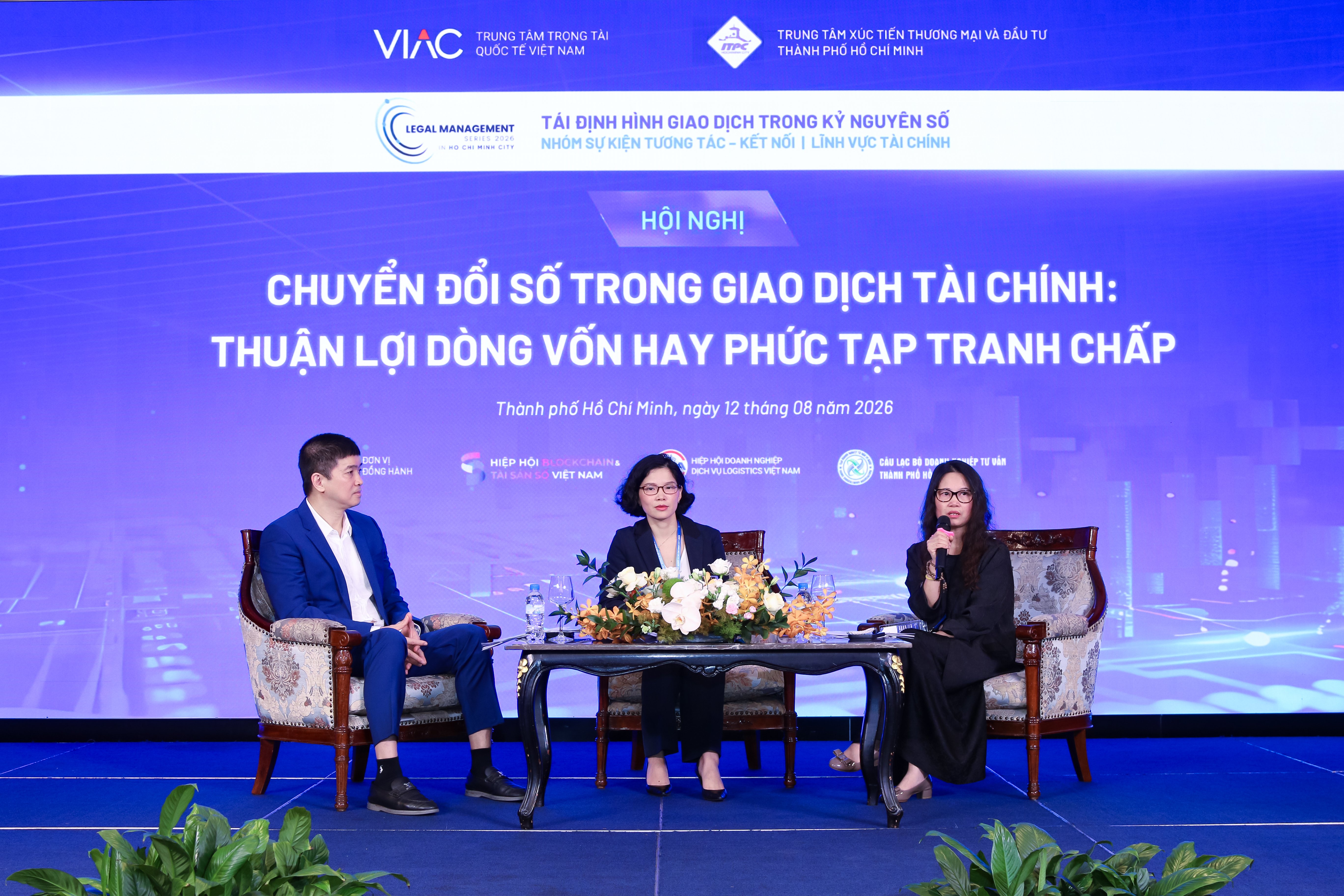
Speakers of Session 01
Following the presentation by Ms. Pham Thi Thanh Huyen, the Conference proceeded with two panel sessions. Specifically, Session 1 centered on discussing various types of financial transactions within the digital context. The session was moderated by Ms. Pham Thi Thanh Huyen, featuring the participation of panelists: Mr. Phan Duc Trung – Chairman of the Vietnam Blockchain and Digital Assets Association (VBA), and Ms. Hoang Thi Ngoc Diep – Partner at Dilinh Legal.

Ms. Hoang Thi Ngoc Diep – Partner at Dilinh Legal
Opening the session, Ms. Hoang Thi Ngoc Diep – Partner at Dilinh Legal, observed that digital payments represent the standout highlight of Vietnam’s digital finance landscape, while digital credit is progressively expanding beyond traditional banking systems through peer-to-peer (P2P) lending platforms. According to Ms. Diep, to access data-driven financial products, enterprises must take phased steps to digitalize their operations and build comprehensive, transparent, and verifiable datasets. Concurrently, electronic identification, electronic contracting, and the automation of lending procedures are establishing novel avenues for capital access.
In this context, Vietnam can leverage its strengths in digital payments to cultivate a broader financial ecosystem, where transactional data can facilitate expanded access to credit and other financial services. Regarding online lending, accounts receivable financing, and supply chain financing, Ms. Diep underscored the critical importance of ensuring transaction legality, data integrity, and technological security. Accordingly, authenticating and comprehensively archiving transactional records, alongside instituting appropriate dispute resolution mechanisms from the operational onset, will play a vital role in safeguarding the evidentiary value of transactions should risks arise.
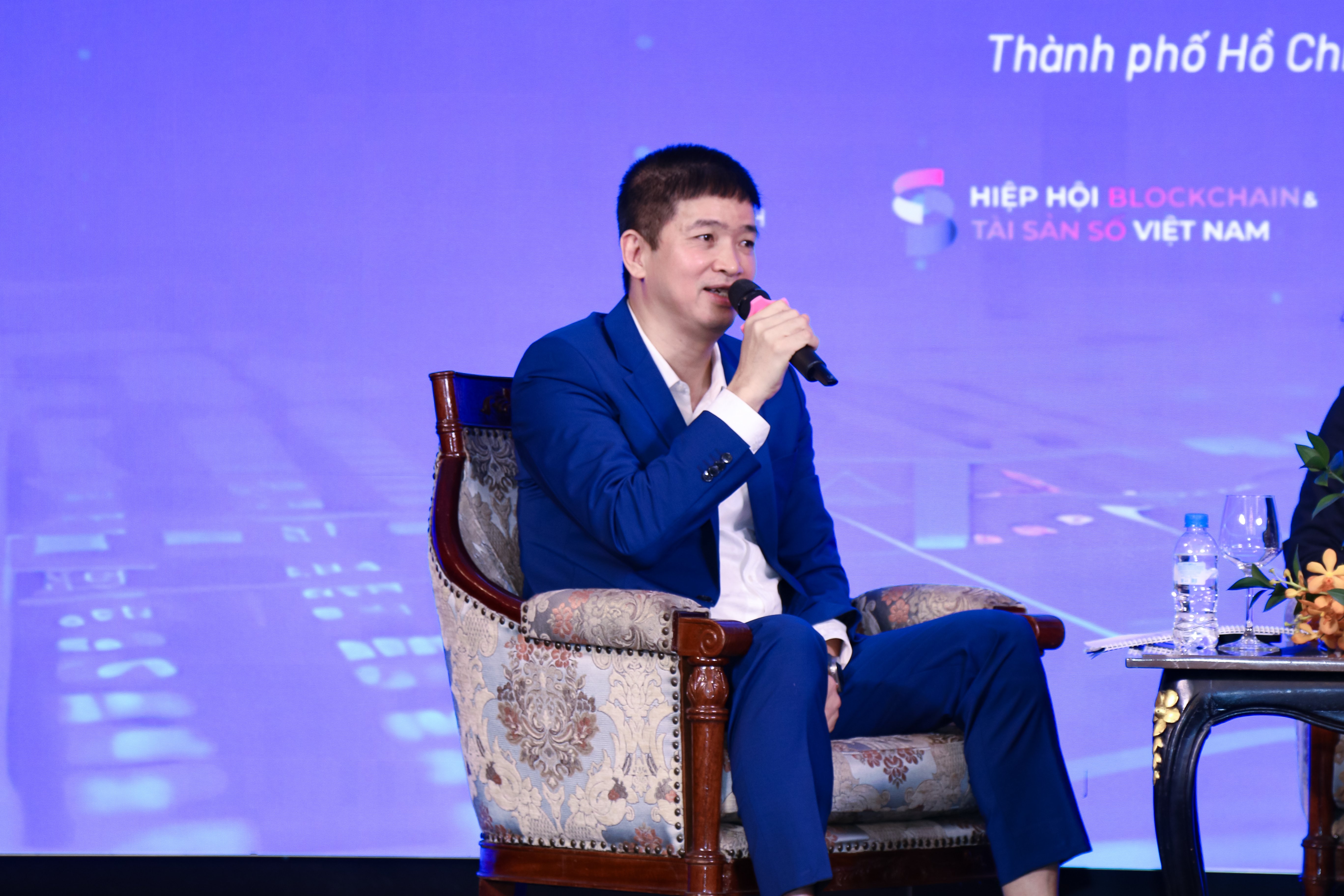
Mr. Phan Duc Trung – Chairman of the Vietnam Blockchain and Digital Assets Association (VBA)
Discussing digital assets, crypto assets, and transactions formed on blockchain platforms, Mr. Phan Duc Trung – Chairman of the Vietnam Blockchain and Digital Assets Association (VBA), stated that trusted data relies not merely on technology, but fundamentally on data sourcing, accuracy, verifiability, and traceability. Enterprises must proactively control input data, clearly defining data subjects and data liabilities. While blockchain can enhance transaction storage and traceability, it does not inherently guarantee that the input data itself is accurate. Therefore, blockchain service providers must concurrently prioritize data governance, user protection, and the design of compliance mechanisms tailored to the characteristics of digital transactions.
From the perspective of financial transactions, blockchain and tokenization can broaden opportunities to integrate assets, cash flows, and transactions into capital mobilization channels, thereby assisting enterprises in accessing capital with greater transparency. However, for crypto assets to participate in credit transactions, attention must be paid to clarifying legal issues that may arise, such as property rights, debt repayment obligations, custody, and valuation. Furthermore, the evidentiary value of traced data must also be guaranteed in terms of technical capacity, professional expertise, and legal standing so that it can be admitted as evidence.
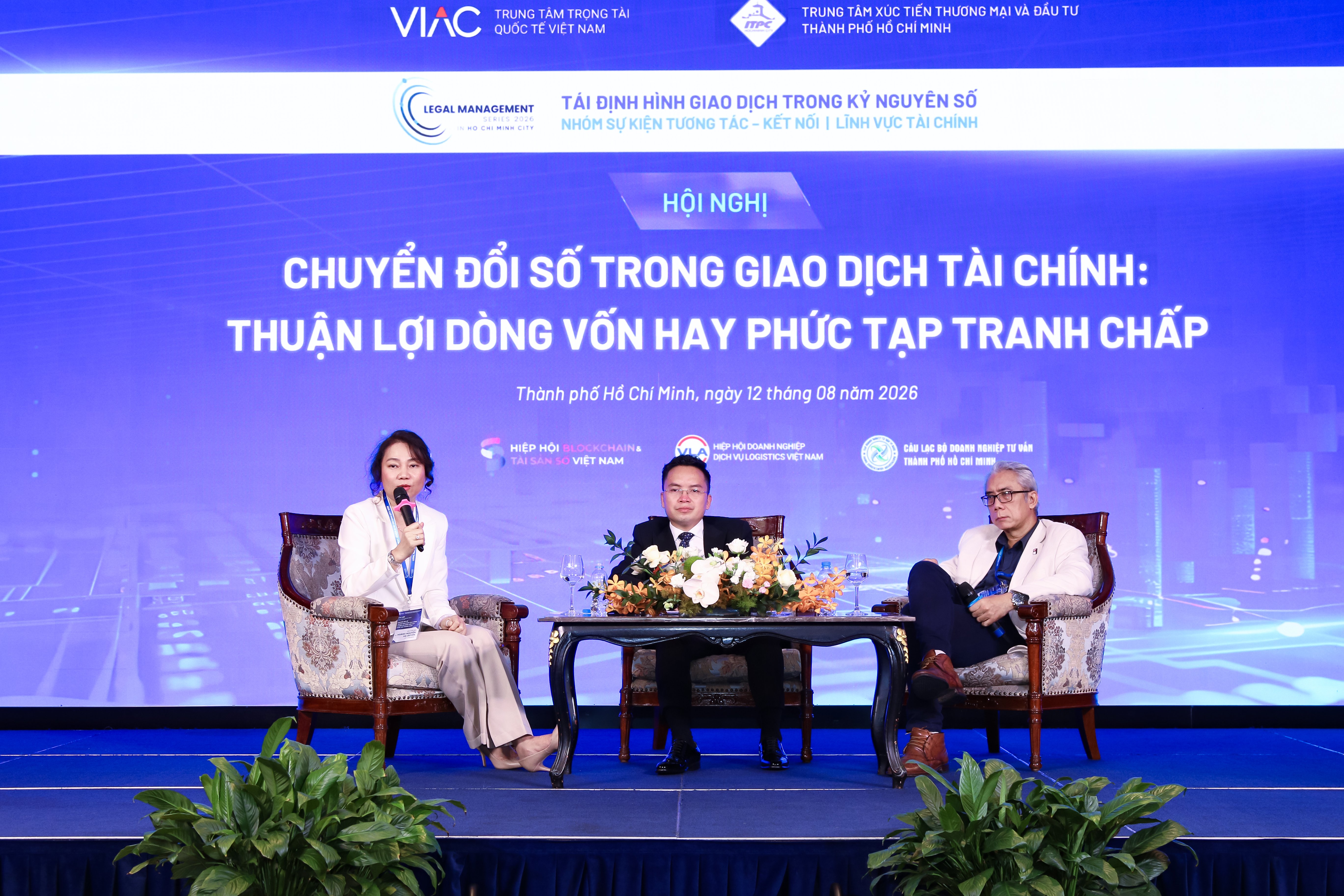
Speakers of Session 02
Moving to Session 2, the Conference focused on discussing the practical landscape and orientation for enhancing dispute resolution mechanisms in digital financial transactions. The session was moderated by Ms. Hoang Nguyen Ha Quyen – Managing Partner of LNT & Partners, VIAC’s Arbitrator, Deputy Director of VMC, with the participation of panelists: Dr. Phan Hoai Nam – CEO of W&A Consulting and Law Firm, VIAC’s Arbitrator, Lecturer at the Judicial Academy and ACCA; and Mr. Phung Anh Tuan – Managing Partner, Director of VCI Legal LLC, Standing Vice Chairman of Vietnam Association of Financial Investors (VAFI), VIAC’s Arbitrator, VMC’s Mediator.
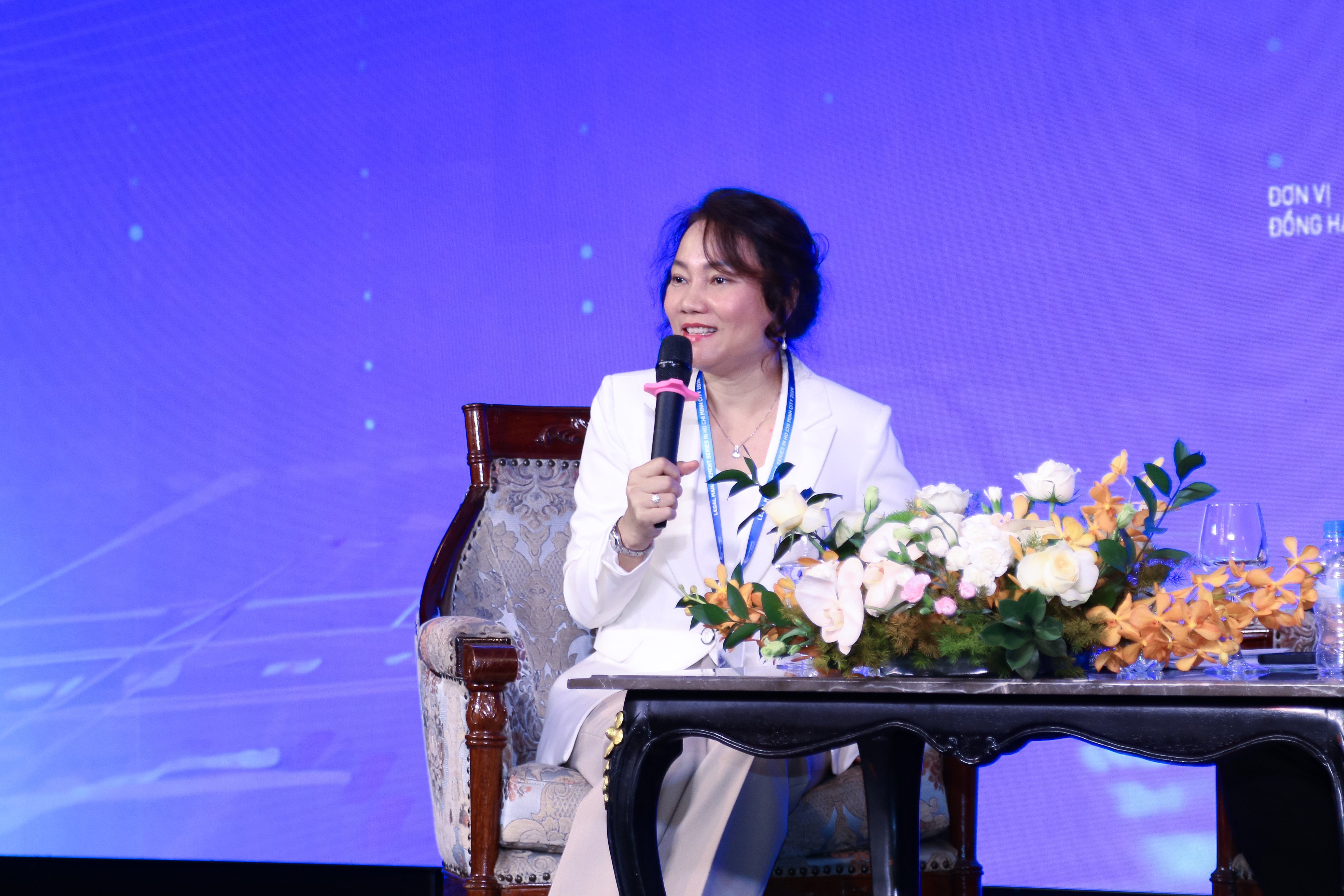
Ms. Hoang Nguyen Ha Quyen – Managing Partner of LNT & Partners, VIAC’s Arbitrator, Deputy Director of VMC
In her introductory remarks, Ms. Hoang Nguyen Ha Quyen – Managing Partner of LNT & Partners, VIAC’s Arbitrator, Deputy Director of VMC, observed that the development of digital financial transactions is giving rise to emerging types of disputes, particularly as technology integrates ever more deeply into transaction execution and asset management. Drawing from practice in disputes involving digital assets, questions surrounding property rights, asset transfer, and the attribution of liabilities among relevant parties have become increasingly pronounced. Concurrently, as transactions grow more reliant on digital platforms and data, the evidentiary value of transactional data and the respective liabilities of participating entities also constitute critical considerations that enterprises must anticipate throughout the dispute resolution process.
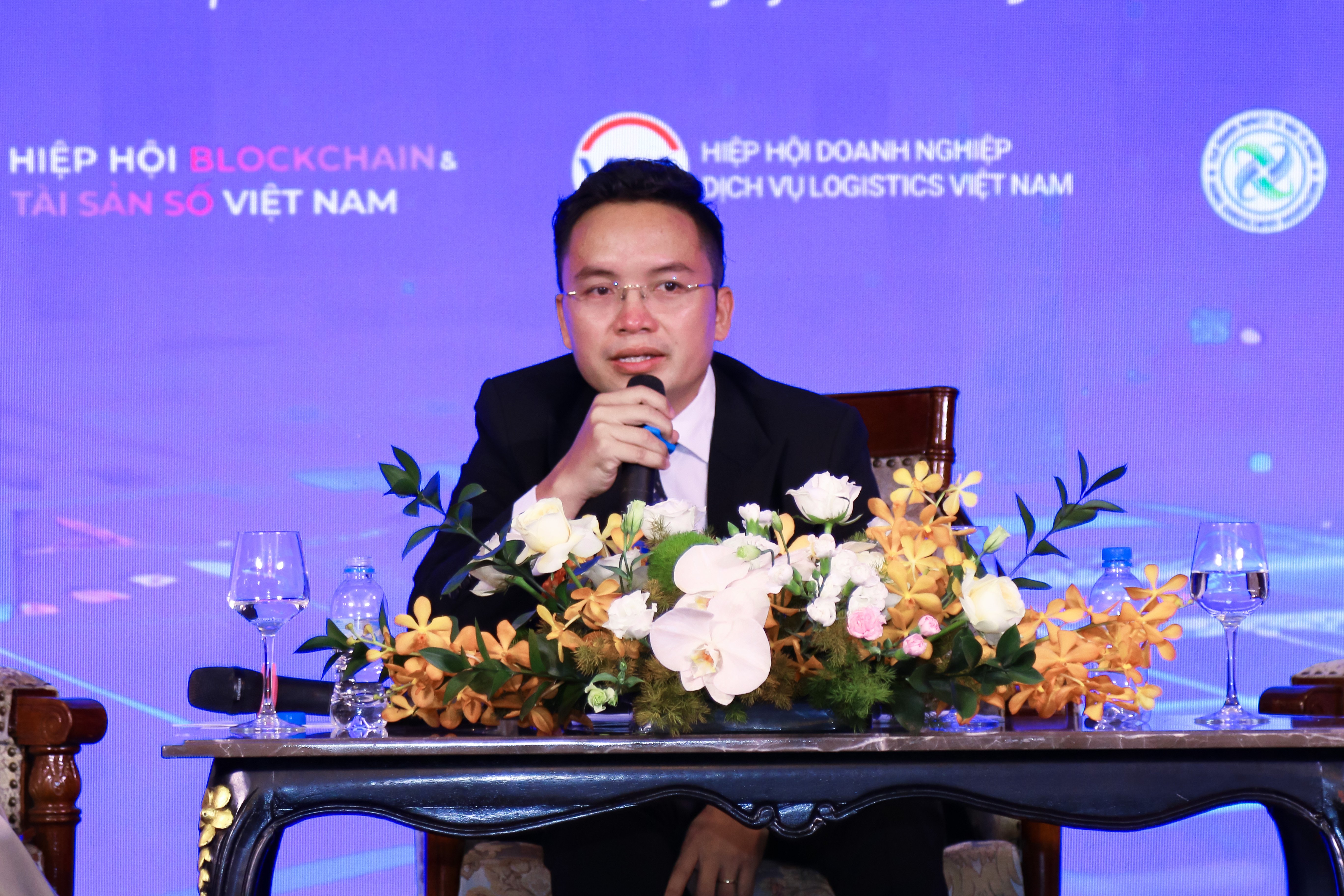
Dr. Phan Hoai Nam – CEO of W&A Advisory and Law Firm, VIAC’s Arbitrator, Lecturer at the Judicial Academy and ACCA
Addressing disputes arising from credit and capital-raising transactions via digital platforms, Dr. Phan Hoai Nam – CEO of W&A Advisory and Law Firm, VIAC’s Arbitrator, Lecturer at the Judicial Academy and ACCA, stated that the emergence of novel models is generating diversified transaction structures involving multiple stakeholders. From an assessment of actual dispute practice, cases currently handled by VIAC remain predominantly focused on contractual obligations under loan agreements, such as obligations to pay principal, interest, service fees, late payment penalties, and damages.
In this context, the speaker observed that as financing mechanisms diversify, transaction volumes scale up, and platforms intervene across more operational stages, upcoming disputes will likely grow increasingly intricate, particularly where investors rely heavily on platform-generated data and due diligence findings. At present, technology is gradually reshaping transaction architectures, loan administration methods, and the legal relations among involved entities. As these dynamics advance, novel legal issues will inevitably surface, including platform liabilities as well as the validity and evidentiary weight of transaction data. Consequently, the forthcoming challenge lies not only in establishing a legal framework for emerging models, but also in ensuring transparency, risk controllability, and clear allocation of liabilities among all participating entities.
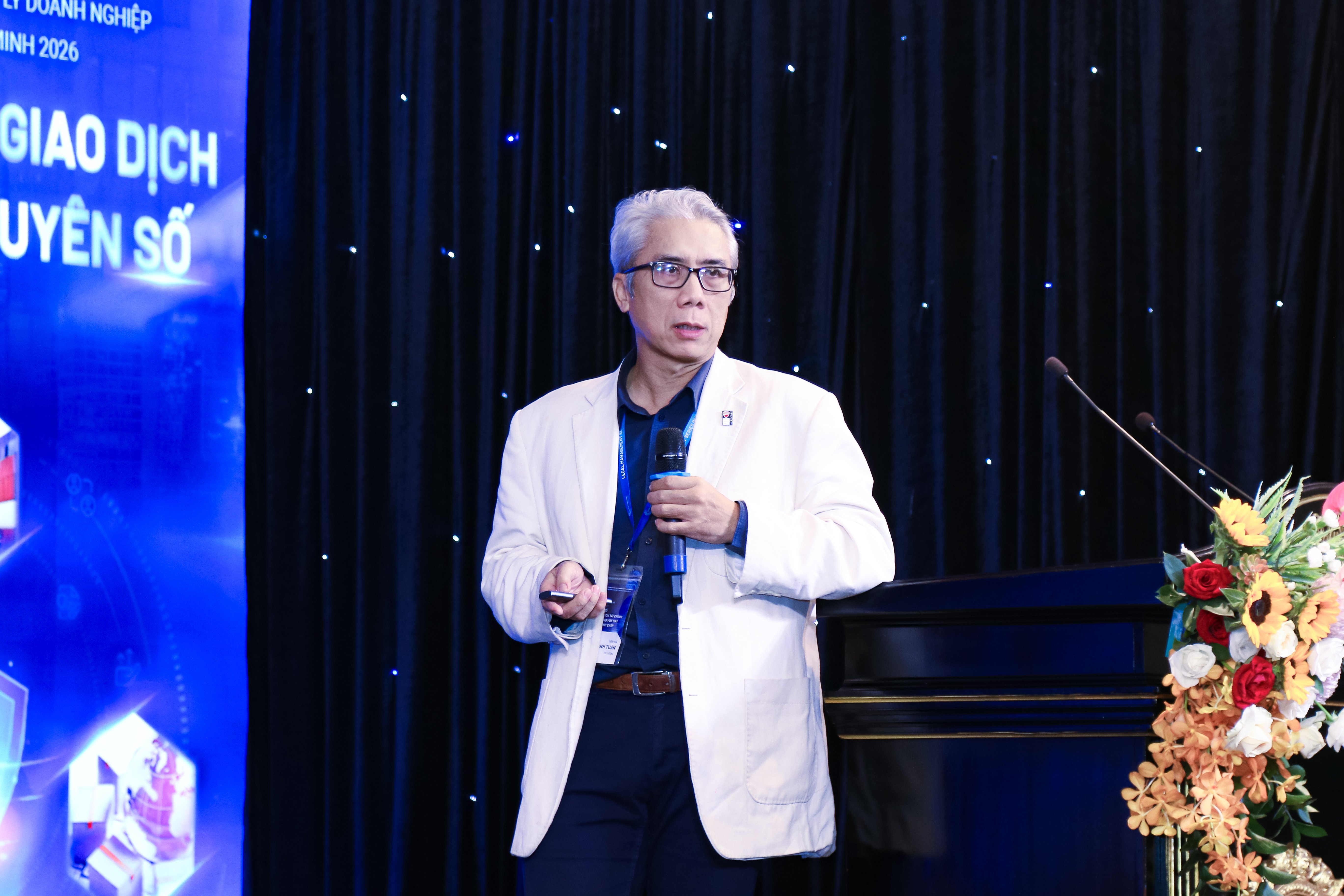
Mr. Phung Anh Tuan – Managing Partner, Director of VCI Legal LLC, Standing Vice Chairman of Vietnam Association of Financial Investors (VAFI), VIAC’s Arbitrator, VMC’s Mediator
Regarding disputes in crypto-asset transactions, Mr. Phung Anh Tuan – Managing Partner, Director of VCI Legal LLC, Standing Vice Chairman of Vietnam Association of Financial Investors (VAFI), VIAC’s Arbitrator, VMC’s Mediator, argued that while legal recognition of crypto assets as property establishes a foundation for civil rights, it remains insufficient to ascertain ownership and resolve issues concerning transactions, custody, and transfers. Notably, Resolution No. 05/2025/NQ-CP has recognized negotiation, mediation, arbitration, and court litigation as valid dispute resolution methods in the crypto-asset market. With respect to arbitration, the arbitration agreement continues to serve as the core prerequisite for establishing arbitral jurisdiction; however, on a case-by-case basis, parties must still delineate the precise disputed legal relationship and the scope of arbitral jurisdiction. For cross-border transactions, the speaker advised that contracting parties should achieve consensus from the contract drafting stage regarding governing law and dispute resolution mechanisms, while explicitly anticipating protocols for data exchange, data retention, and mutual cooperation obligations.
Mr. Tuan observed that the crux of digital asset disputes lies not merely in establishing rights, but critically in proving, preserving, and enforcing those rights. International practice demonstrates that establishing a separate dispute resolution framework specifically for digital assets is not strictly necessary; instead, existing frameworks can be adapted and enhanced. In this regard, priority should be given to perfecting regulations governing interim relief measures, evidence gathering from third parties, and the enforcement of arbitral awards and judgments against crypto assets.

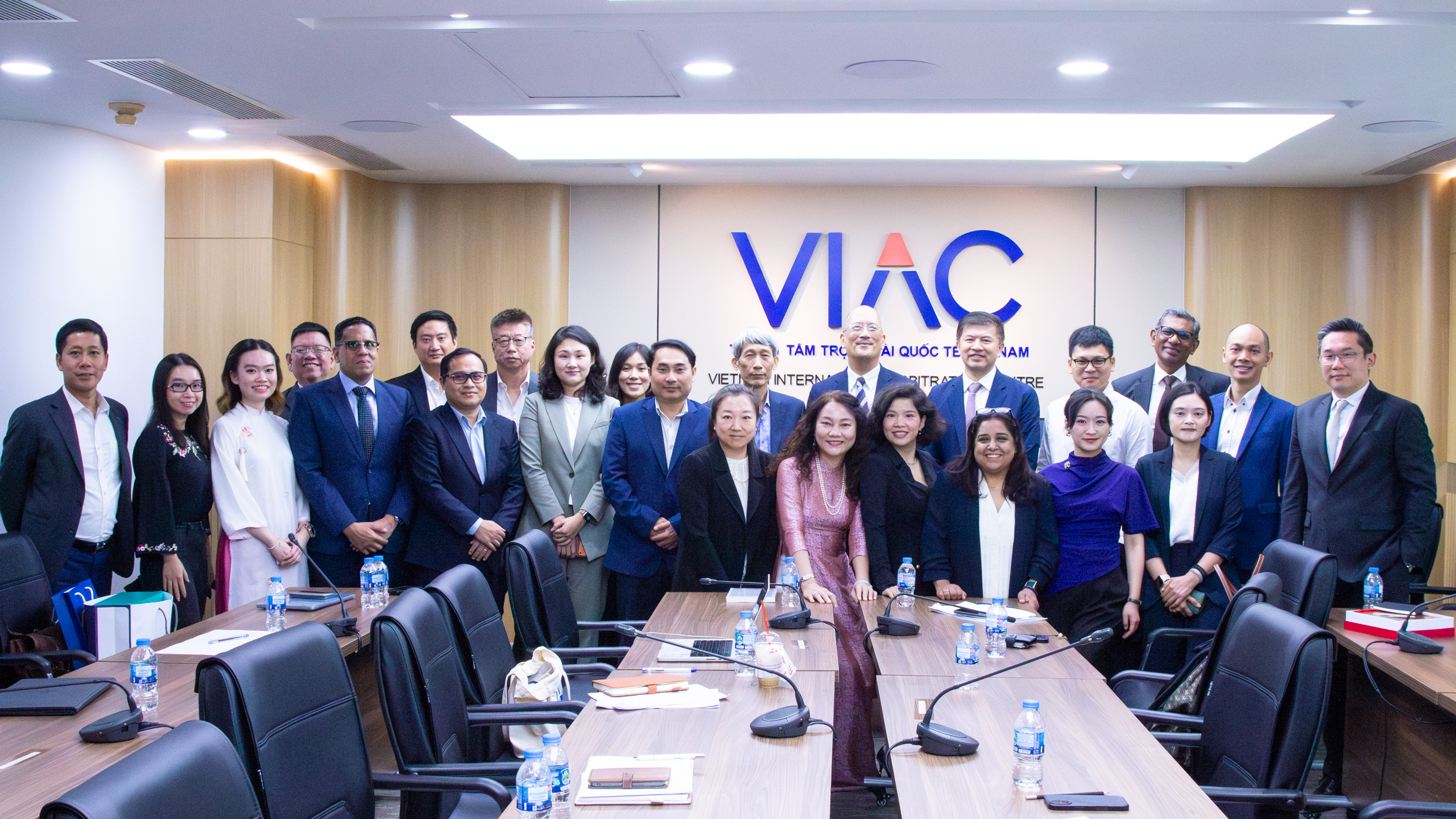
Other photos
Throughout the two sessions, the experts provided comprehensive insights into the evolution and development trends of digital financial transactions, while elucidating the opportunities and challenges encountered by enterprises during this process. Grounded in these realities, the experts recommended that enterprises proactively enhance their governance mechanisms, internalize risk controls, and select appropriate dispute resolution methods. From a policy perspective, the panelists also offered key recommendations on refining the legal framework, balancing the imperative to facilitate emerging transaction models with the necessity of ensuring transactional security, transparency, and the protection of participating parties' legitimate rights and interests.
_____________________________
Read detail of the Conferences of LMS 2026:
| Commerce Sector | Conference: Digital transformation in sale of goods transactions: From partial to comprehensive | |
| Logistics Sector | Conference: Digital transformation in Logistics transactions: Implementing a hybrid model in the transitional phase |
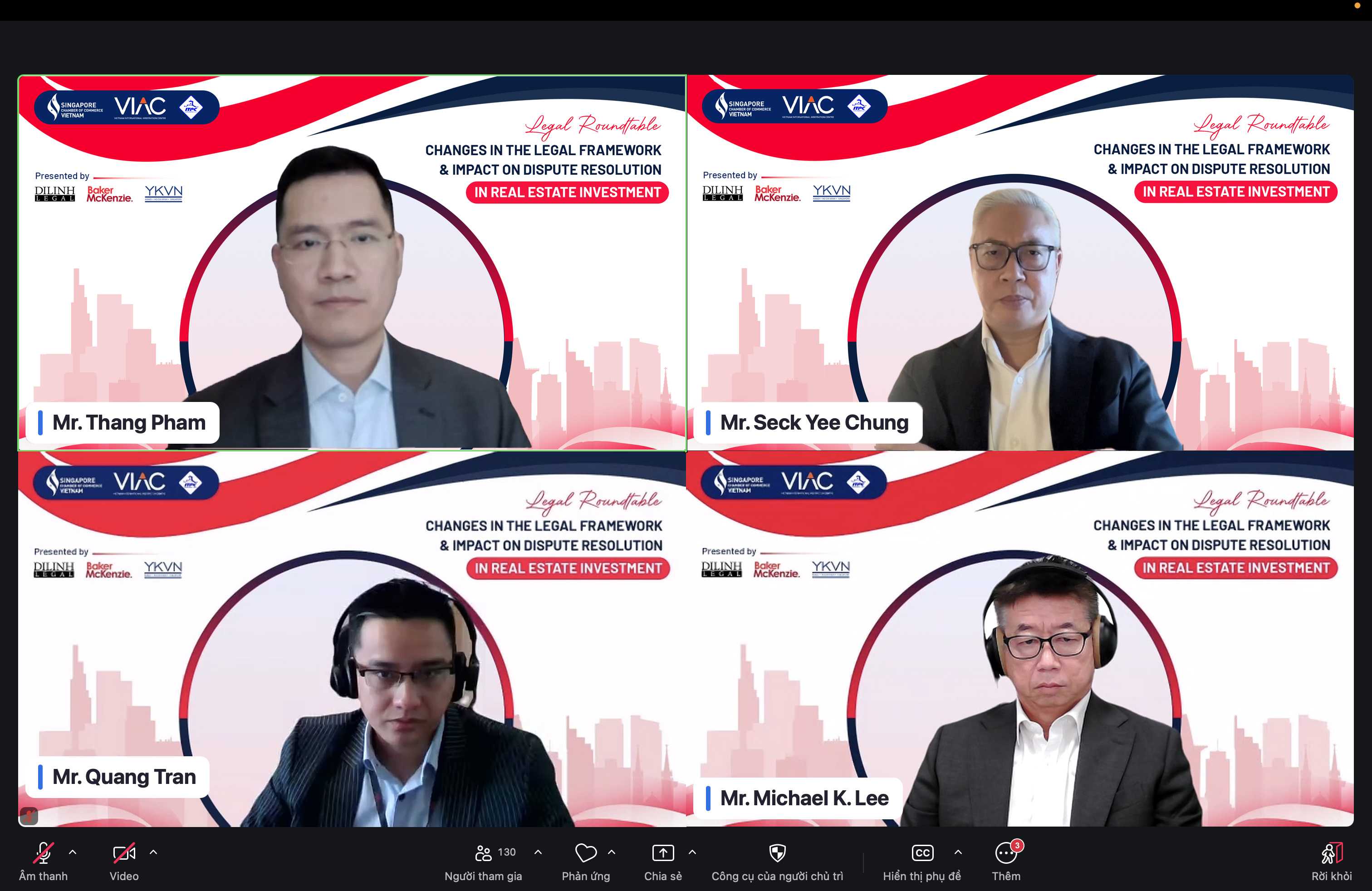


![[Recap LMS 2026] Business Legal Lens (BLL) #02: “Force majeure: The gap between business understanding and legal approach”](/images/News-and-Events/2026/News/LMS 2026/BLL02/IMG_0136.jpg)
![[Recap LMS 2026] VIAC & ITPC co-organized the Business Legal Lens (BLL) #01: “Conditions precedent in loan agreements: Understanding correctly to prevent risks”](/images/News-and-Events/2026/News/LMS 2026/BLL 01/IMG_8873.jpg)
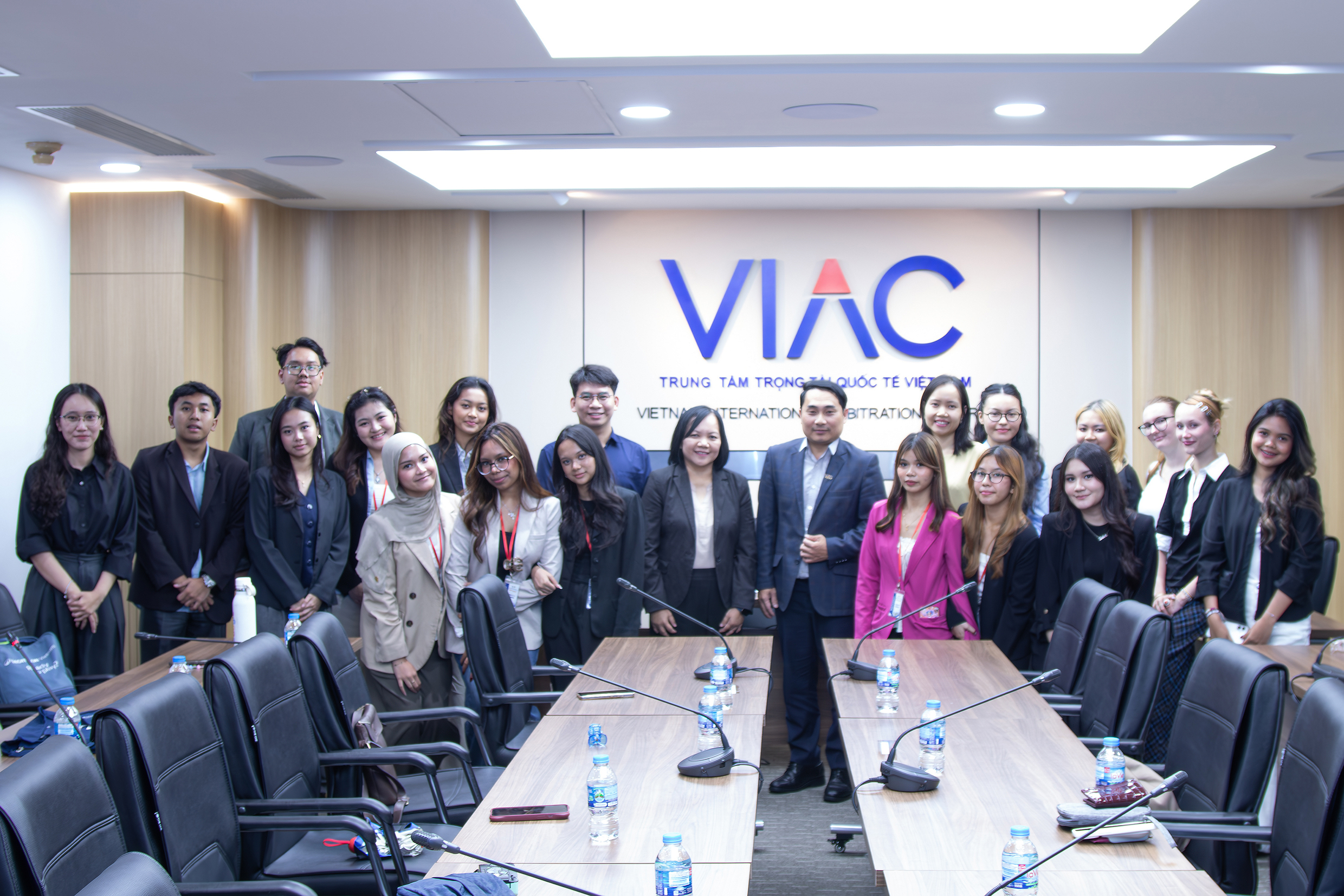
![[Recap LMS 2026] Talkshow “Exemption from liability for technology-related risks in logistics transactions”](/images/News-and-Events/2026/News/LMS 2026/Logistics/LMS2026_2708---Slideshow-1.jpg)
![[Recap LMS 2026] Talkshow “Commercial contracts with counterpart clauses – Streamlining contract formation or increasing legal risks?"”](/images/News-and-Events/2026/News/LMS 2026/Thuong mai/LMS2026_2008_Speakers.png)
![[Recap LMS 2026] Talkshow “Arbitral jurisdiction in resolving disputes arising from digital financial transactions"](/images/News-and-Events/2026/News/LMS 2026/Tai chinh/LMS2026_260813__Backdrop.png)



.png "Trường đại học ngoại thương")