- VIAC
-
ARBITRATION
- Arbitrate at VIAC
- VIAC eCase
- Combination of Arbitration and Mediation
- International Arbitration
- Resources
- NEWS & EVENTS
- Contact
-




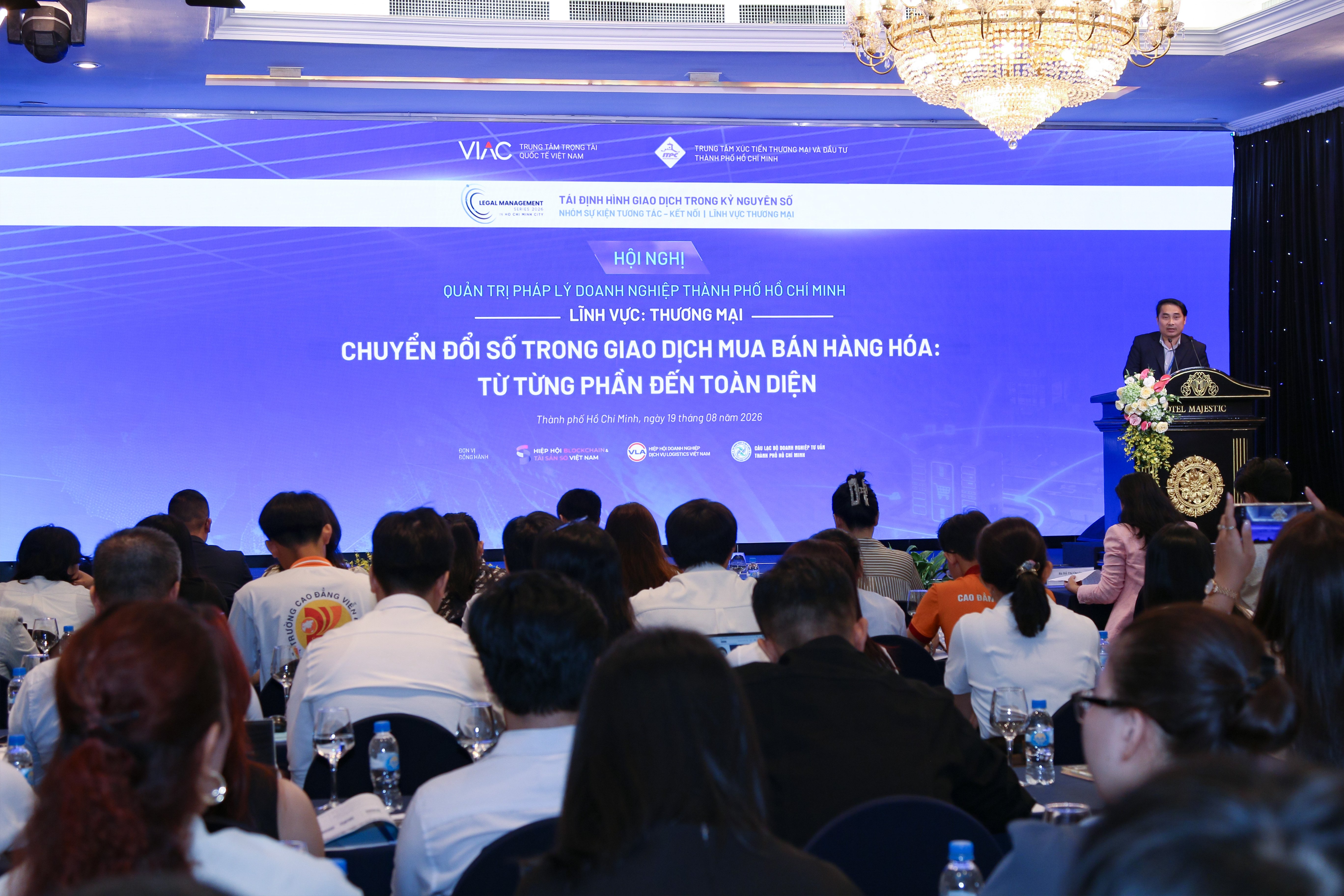
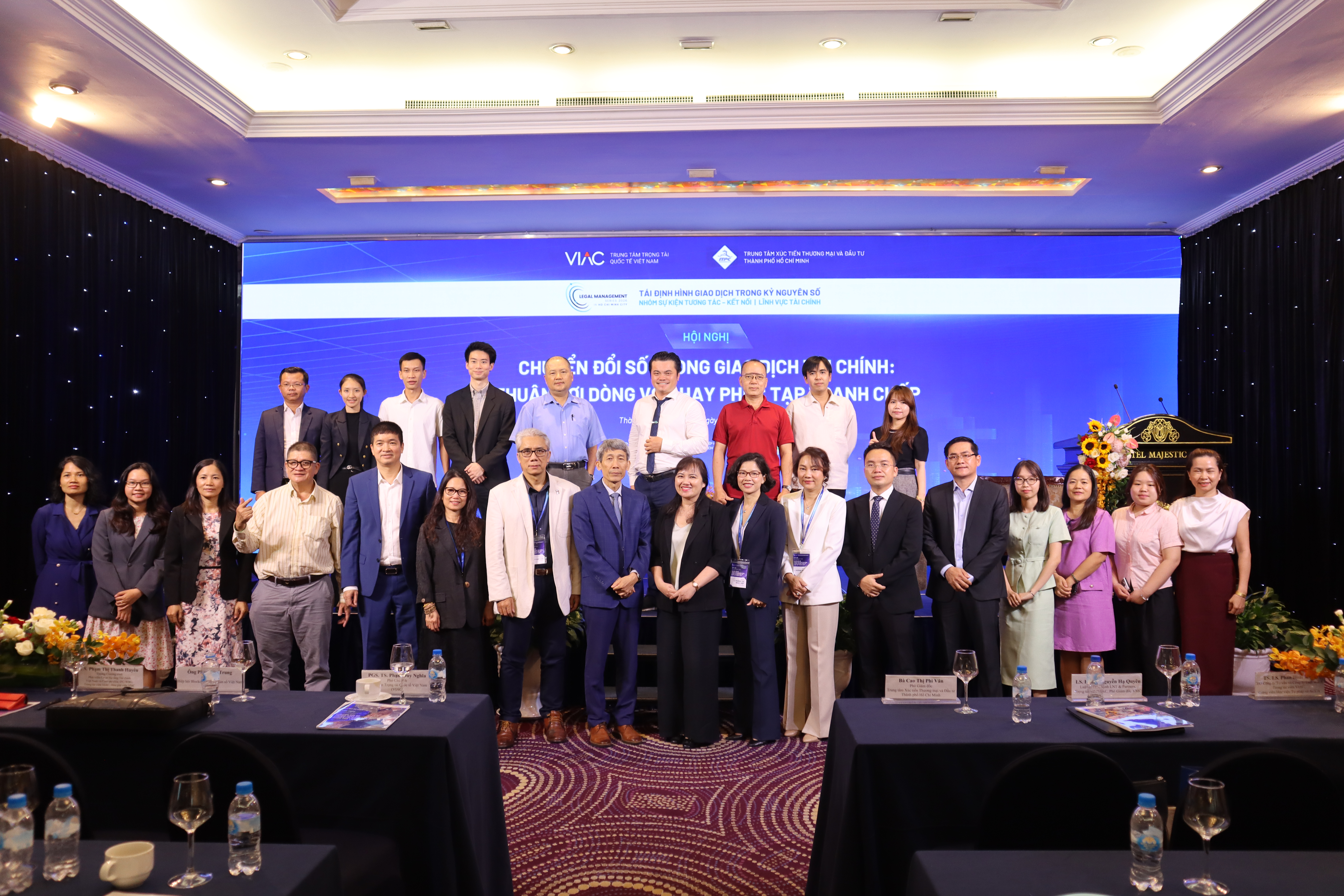
On the morning of August 19, 2026, in Ho Chi Minh City, within the framework of the Legal Management Series in Ho Chi Minh City 2026 (LMS 2026), the Investment and Trade Promotion Centre of Ho Chi Minh City (ITPC) in collaboration with the Vietnam International Arbitration Centre (VIAC) successfully organized the Conference on: “Digital transformation in sale of goods transactions: From partial to comprehensive”. The event concluded with notable success, bringing together legal and industry experts along with over 200 delegates, including lawyers, enterprise representatives…
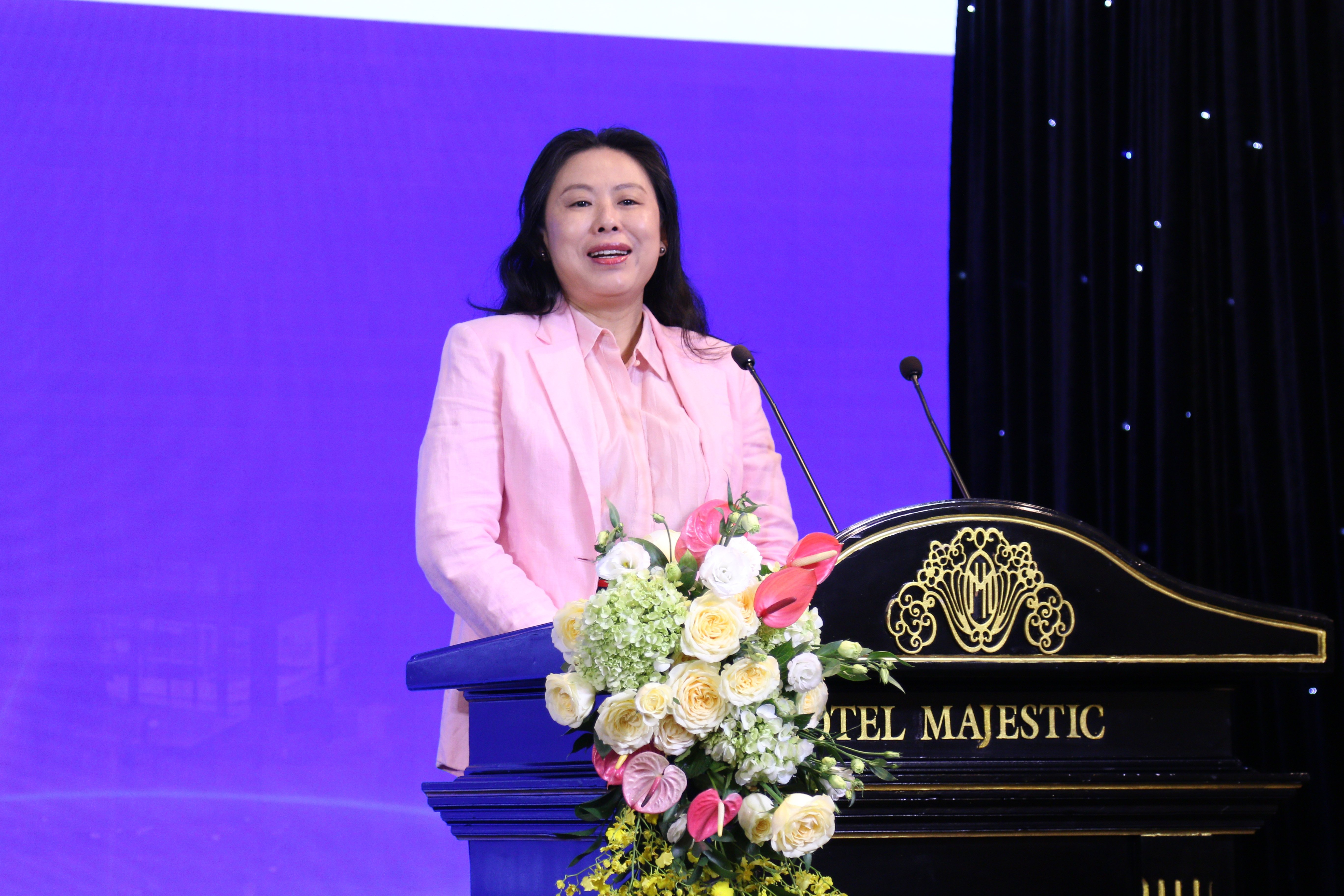
Ms. Ho Thi Quyen – Deputy Director of the Investment and Trade Promotion Centre of Ho Chi Minh City (ITPC)
Delivering the Opening remarks at the Conference, Ms. Ho Thi Quyen – Deputy Director of the Investment and Trade Promotion Centre of Ho Chi Minh City (ITPC), observed that the year 2026 marks a pivotal turning point for digital commerce as it transitions from “process digitalization” toward establishing a smart, comprehensively connected commerce ecosystem. This momentum creates significant opportunities for enterprises, especially small and medium-sized enterprises (SMEs) to enhance competitiveness, optimize operational costs, and broaden customer reach. However, to execute commercial transactions effectively within the digital environment, enterprises must manage and navigate multifaceted bottlenecks ranging from technological infrastructure, operational capacity, and workforce skills to risks of commercial fraud, data protection vulnerabilities, and cybersecurity threats. Enhancing substantive dialogues between leading experts and the business community will play a vital role in identifying emerging practical issues, reinforcing corporate confidence, and supporting safe, seamless sale of goods transactions in the digital space.
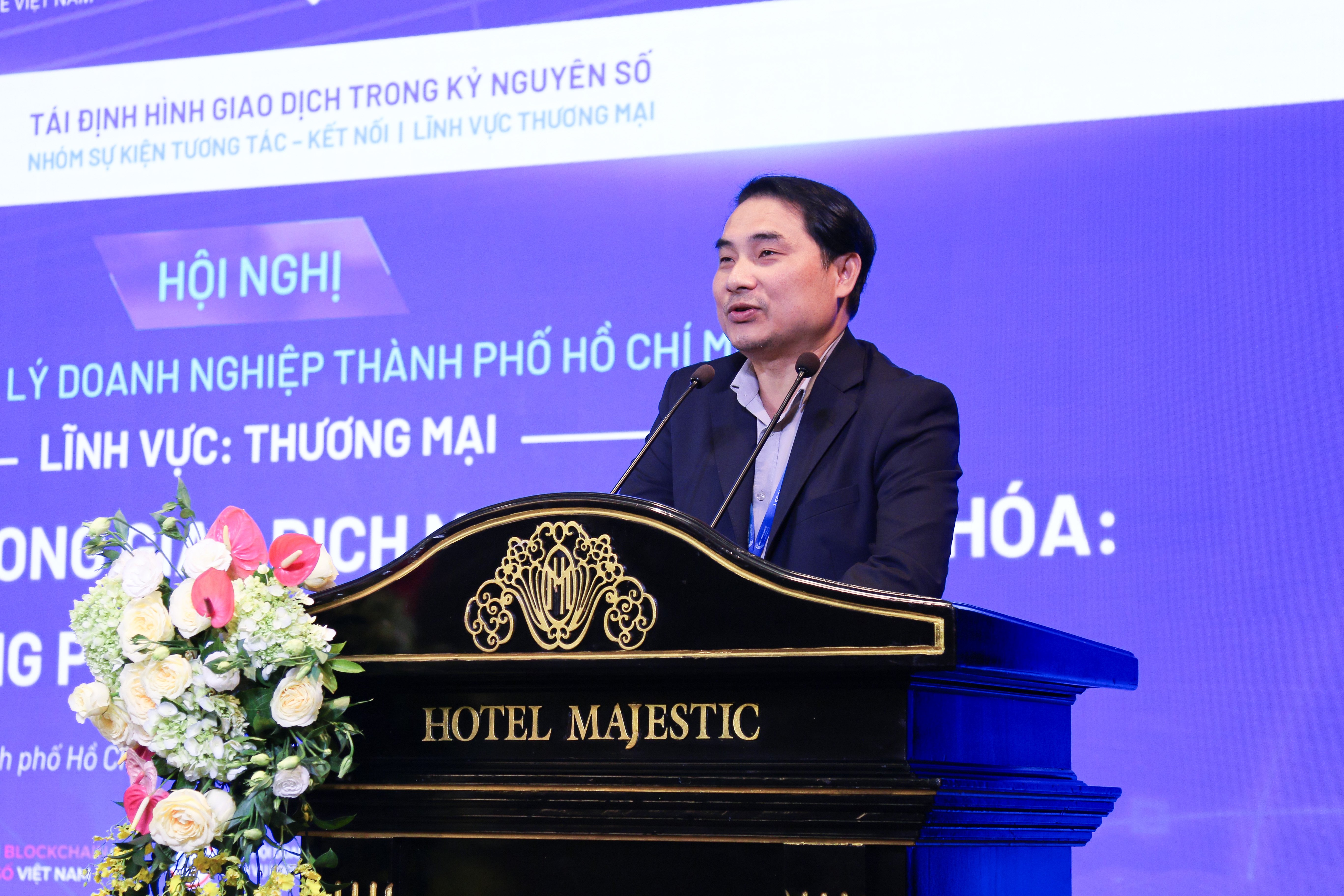
Mr. Chau Viet Bac – Deputy Director of the Vietnam International Arbitration Centre (VIAC) - Branch in Ho Chi Minh City
Following the remarks of Ms. Ho Thi Quyen, Mr. Chau Viet Bac – Deputy Director of the Vietnam International Arbitration Centre (VIAC) - Branch in Ho Chi Minh City, concurred that digital transformation in sale of goods transactions in particular, and all transactions in general, has become an inevitable requirement. Nevertheless, undertaking digital transformation against the backdrop of unsynchronized technological infrastructure and operational strategies among enterprises introduces substantial transactional risks. These risks not only persist throughout contract performance, but also trigger complex ramifications during dispute resolution proceedings.
Drawing from dispute resolution practice at VIAC, Mr. Bac highlighted several typical types of commercial disputes involving technological and electronic elements. Accordingly, he emphasized that when making transactions on digital platforms, enterprises must exercise due prudence from the contract negotiation phase, while proactively managing and archiving transactional data throughout the implementation process to anticipate risks early and avoid vulnerability when disputes arise.
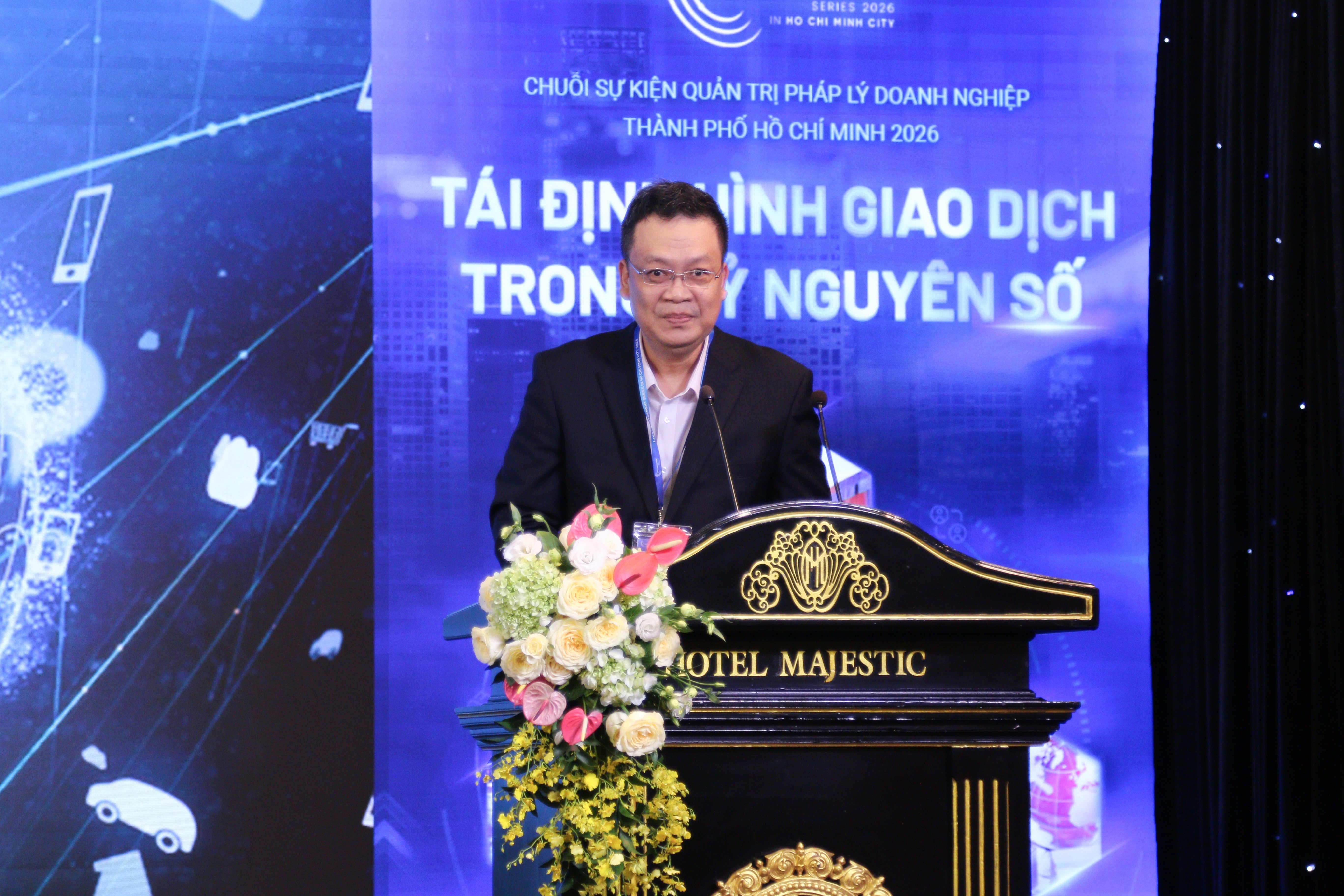
Assoc. Prof. Dr. Nguyen Xuan Minh – Permanent Vice Director of Foreign Trade University – Ho Chi Minh City Branch, VIAC’s Arbitrator
Opening the Conference, Assoc. Prof. Dr. Nguyen Xuan Minh – Permanent Vice Director of Foreign Trade University – Ho Chi Minh City Branch, VIAC’s Arbitrator, delivered the keynote speech “Sale of goods transactions in the context of digital transformation: Development trends, opportunities, and challenges from the Current Legal Framework”. He observed that over the past decade, digital transformation has been progressively reshaping how enterprises identify business partners, negotiate, execute, perform contracts, and resolve disputes in the sale of goods. Transactions are shifting steadily from conventional paperwork to digital platforms and data, where AI, smart contracts, and blockchain drive automation, enhance contract management efficiency, and streamline transaction authentication. Concurrently, electronic documents and interconnected digital ecosystems have become increasingly prevalent, helping reduce manual processing, shorten lead times, bolster transparency, and advance global connectivity.
In dispute resolution practice, emails, system logs, and electronic records are also increasingly utilized to record and substantiate transactional developments. However, rapid technological advancements pose novel challenges as both the legal framework and corporate governance capacities struggle to keep pace with the speed of digitalization. According to Assoc. Prof. Dr. Nguyen Xuan Minh, many disputes do not originate from the technology itself, but rather stem from enterprises lacking appropriate corporate legal management mechanisms. This shortfall leads to complications in determining contractual authority, safeguarding data integrity, and establishing the evidentiary value of transactions once disputes arise. Consequently, enterprises must institute end-to-end governance procedures right from the transaction design phase, ensuring a cohesive integration of technology, operations management, and legal compliance.
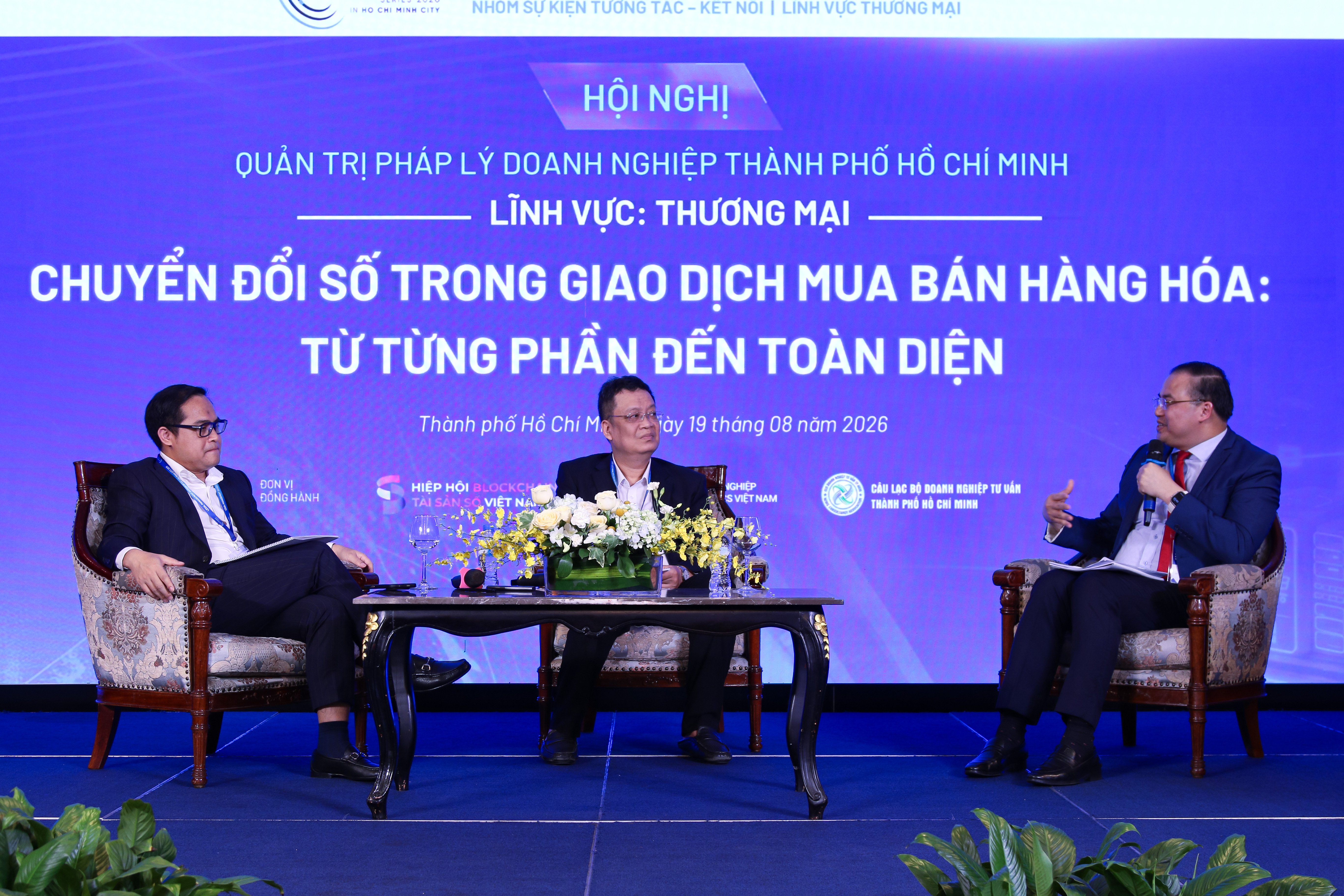
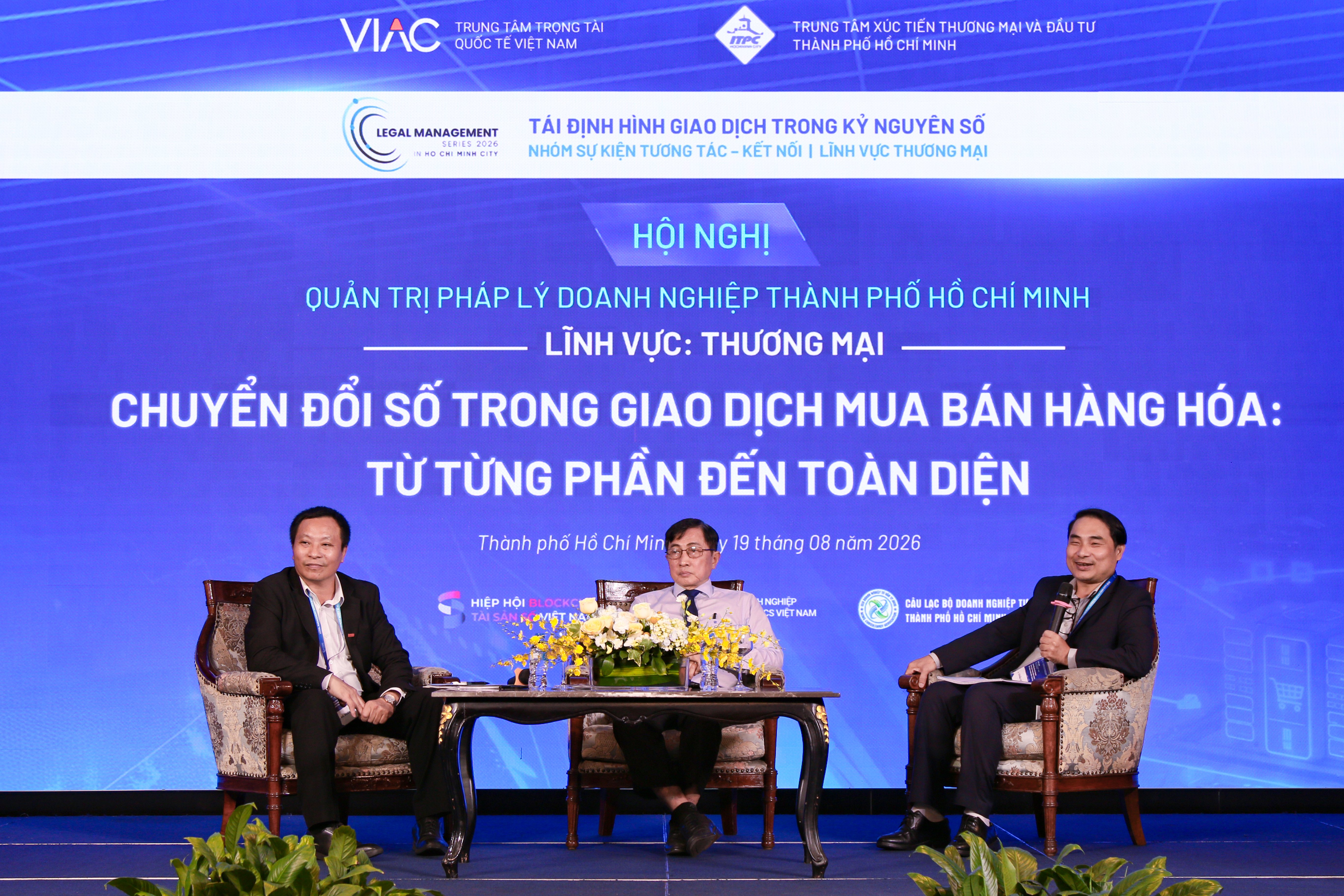
Speakers of Session 01
Following the keynote presentation, the Conference proceeded with two panel sessions. Session 1, moderated by Mr. Vu Le Bang – Managing Partner of Nishimura & Asahi (Vietnam) Law Firm, VIAC’s Arbitrator, with the participation of Assoc. Prof. Dr. Nguyen Xuan Minh – Permanent Vice Director of Foreign Trade University – Ho Chi Minh City Branch, VIAC’s Arbitrator, and Mr. Luu Xuan Vinh – Founding and Managing Partner of Asia Legal, VIAC’s Arbitrator, discussed the transformation of sale of goods transaction models in the digital context.
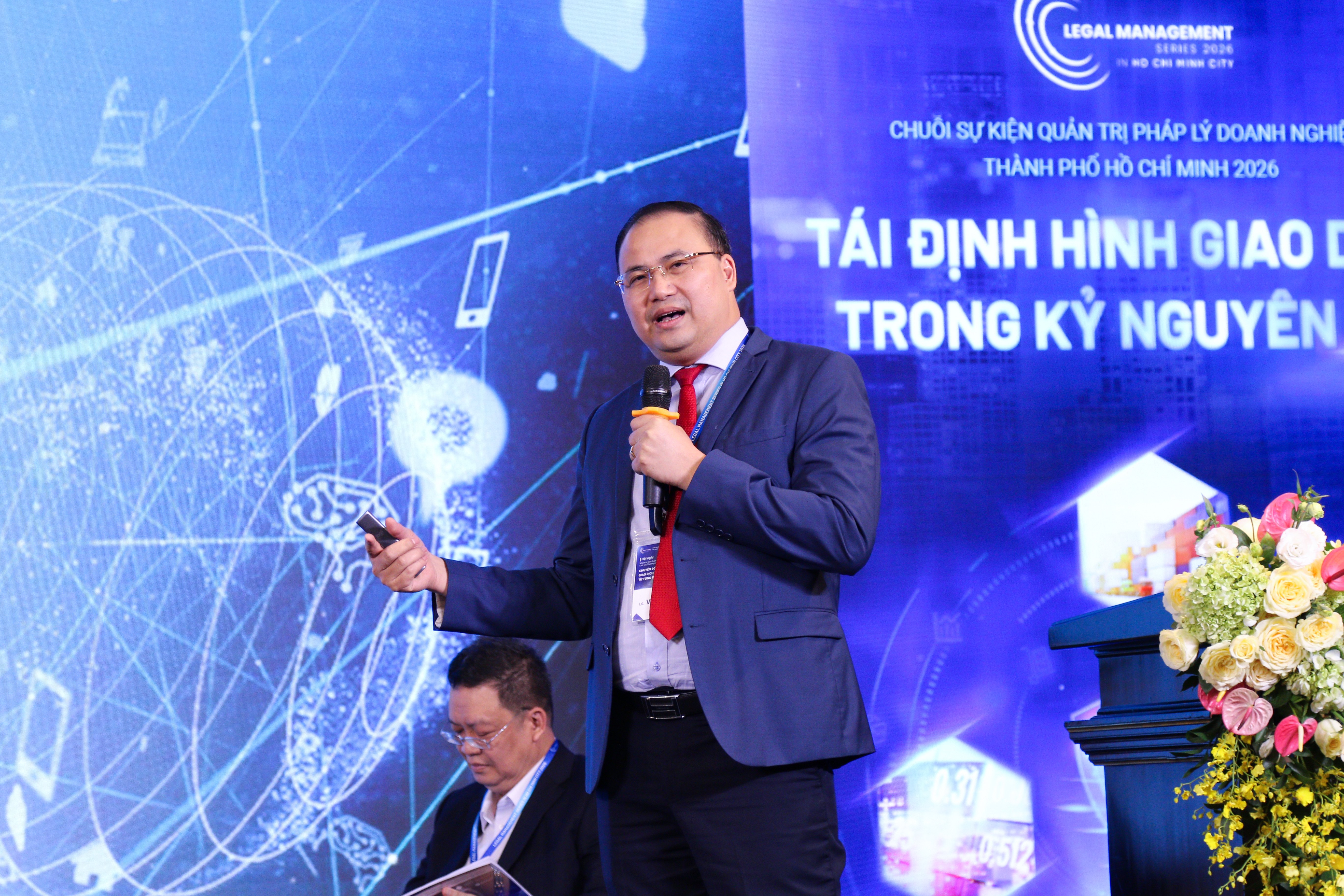
Mr. Vu Le Bang – Managing Partner of Nishimura & Asahi (Vietnam) Law Firm, VIAC’s Arbitrator
Opening Session 1, Mr. Vu Le Bang stated that global B2B e-commerce continues to expand rapidly, with 2024 revenue reaching approximately USD 28 trillion across 45 economies. In Vietnam, digital transformation in transactions has been strongly promoted, targeting 100% of enterprises utilizing e-contract platforms by 2030. These developments indicate that digitalization is not merely changing methods of contract execution and performance, but is progressively transforming transaction models and introducing novel requirements regarding legal validity, authentication, electronic evidence, and risk governance.
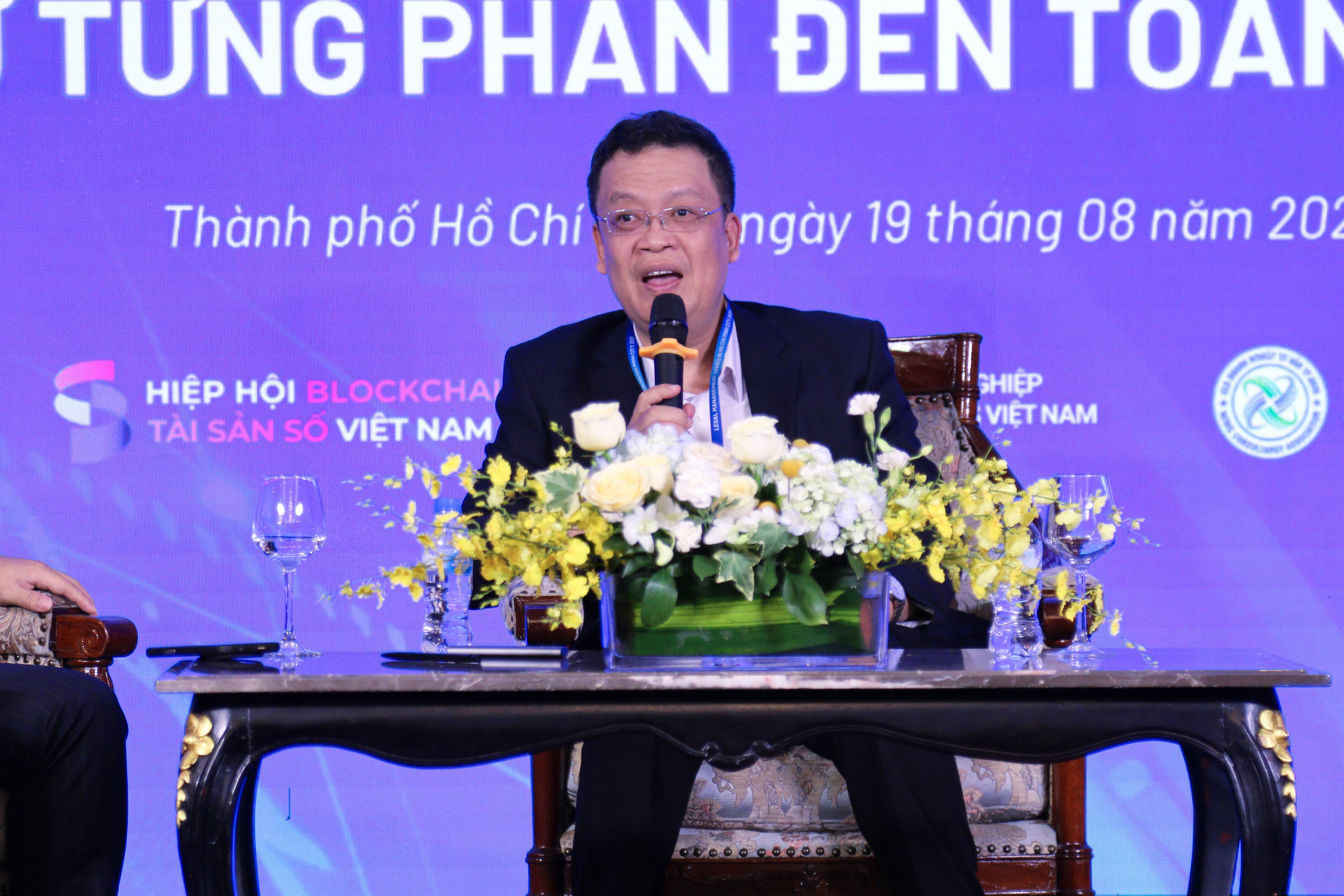
Assoc. Prof. Dr. Nguyen Xuan Minh – Permanent Vice Director of Foreign Trade University – Ho Chi Minh City Branch, VIAC’s Arbitrator
Elaborating further on the semi-electronic transaction model, Assoc. Prof. Dr. Nguyen Xuan Minh observed that semi-electronic transactions are common during the transitional period from traditional practices to digitalization, largely owing to disparate levels of technological readiness, resource constraints among enterprises, and differing compliance requirements across partner markets. However, this hybrid, non-absolute digitalization creates considerable complexities in corporate transaction management, notably blurring the boundary between automated elements and human intervention.
According to the expert, automating procedures does not equate to automating accountability; enterprises must continue to clearly identify the entities behind data messages and establish explicit liability allocation mechanisms should operational errors or incidents arise.
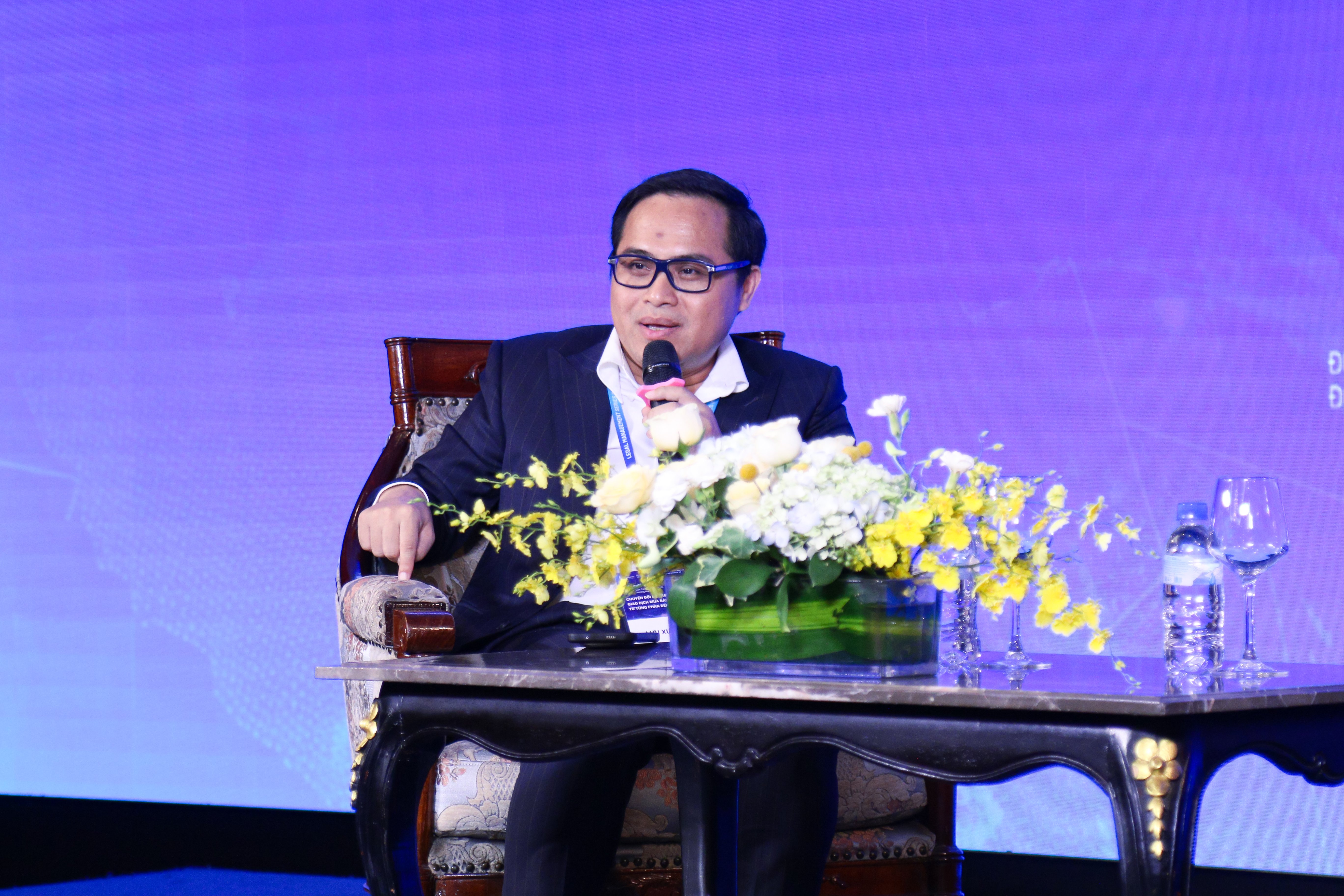
Mr. Luu Xuan Vinh – Founding and Managing Partner of Asia Legal, VIAC’s Arbitrator
Continuing the discussion, Mr. Luu Xuan Vinh shared insights regarding fully electronic transactions. Mr. Vinh observed that the transition toward full electronic integration is inevitable; therefore, enterprises must prepare their infrastructure well in advance and anticipate prospective risks that may arise. Accordingly, Mr. Vinh provided an in-depth analysis of the underlying principles, core components, operational mechanisms, and practical risks associated with electronic contracts. He emphasized that, while the elements of an e-contract are not materially different from those of a conventional contract, they still often undergo heightened scrutiny regarding legal validity and enforceability.
Furthermore, data storage and operation in digital space, frequently involving third-party platform management, represent another critical exposure that enterprises must proactively control when advancing into the comprehensive digital transformation phase.
Speakers of Session 02
Moving to Session 2, the Conference focused on discussing emerging risks and evolving dynamics in sale of goods disputes in the digital era. The session was moderated by Mr. Chau Viet Bac – Deputy Director of the Vietnam International Arbitration Centre (VIAC) - Branch in Ho Chi Minh City, featuring the participation of panelists: Mr. Nguyen Cong Phu – Partner at LNT & Partners, VIAC’s Arbitrator; and Mr. Vu Xuan Hung – Head of the Legal Department of the Vietnam Chamber of Commerce and Industry (VCCI) - Ho Chi Minh Regional Branch.

Mr. Vu Xuan Hung – Head of the Legal Department of the Vietnam Chamber of Commerce and Industry (VCCI) - Ho Chi Minh Regional Branch
Drawing from practical dispute experience and extensive enterprise engagements, Mr. Vu Xuan Hung shared observations on the most prevalent risks encountered when executing transactions with electronic elements. Mr. Hung observed that the novelty of digital technologies has created contentious scenarios that inevitably require adjudication before Courts or Arbitral Tribunals, such as: lack of mutual consensus regarding the exact time and place of contract formation; challenges to the signatory's authority; or operational incompatibilities between platform systems. The speaker emphasized that enterprises should not perceive electronic transactions merely as transposing traditional dealings onto a digital environment, but must view them in tandem with procedural design and dispute prevention.
Concluding his remarks, Mr. Hung advised enterprises to establish four defensive pillars when entering into platform-based electronic transactions, encompassing: internal governance regulations, operational tools, data archiving, and dispute resolution mechanisms.
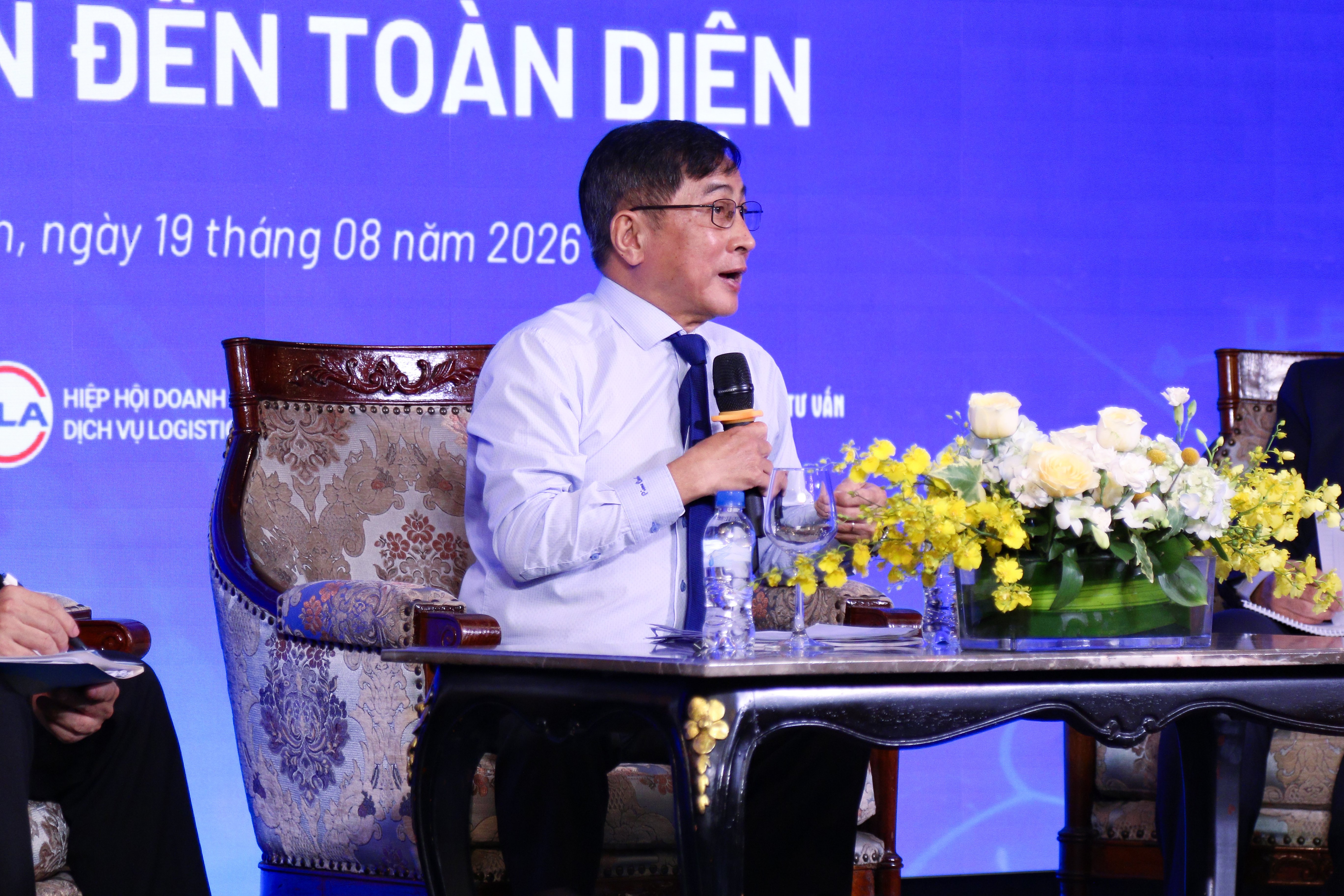
Mr. Nguyen Cong Phu – Partner at LNT & Partners, VIAC’s Arbitrator
Continuing the discussion from the perspective of an adjudicator in commercial sale of goods disputes, Mr. Nguyen Cong Phu analyzed the fundamental differences in evidence collection and evidentiary assessment between conventional disputes and those involving electronic elements. According to Mr. Phu, maintaining sufficient evidentiary grounds for dispute resolution proceedings, particularly concerning electronic evidence, enterprises must formulate a systematic, well-structured data retention framework from the very inception of contract execution. Mr. Phu also cautioned that throughout the dispute resolution process, electronic evidence is not automatically granted probative value; rather, it is rigorously evaluated against statutory criteria under applicable laws on electronic transactions and arbitral or civil procedural codes.
Among these statutory attributes, Mr. Phu underscored that enterprises must pay critical attention to the manner in which evidence and data messages are generated, dispatched, received, and maintained. Where documents and transactional data satisfy the requisite criteria for evidentiary weight, they constitute vital grounds for Courts and Arbitral Tribunals to render awards and judgments. Conversely, materials lacking sufficient evidentiary value may require supplemental submissions, cross-verification, or formal judicial appraisal.

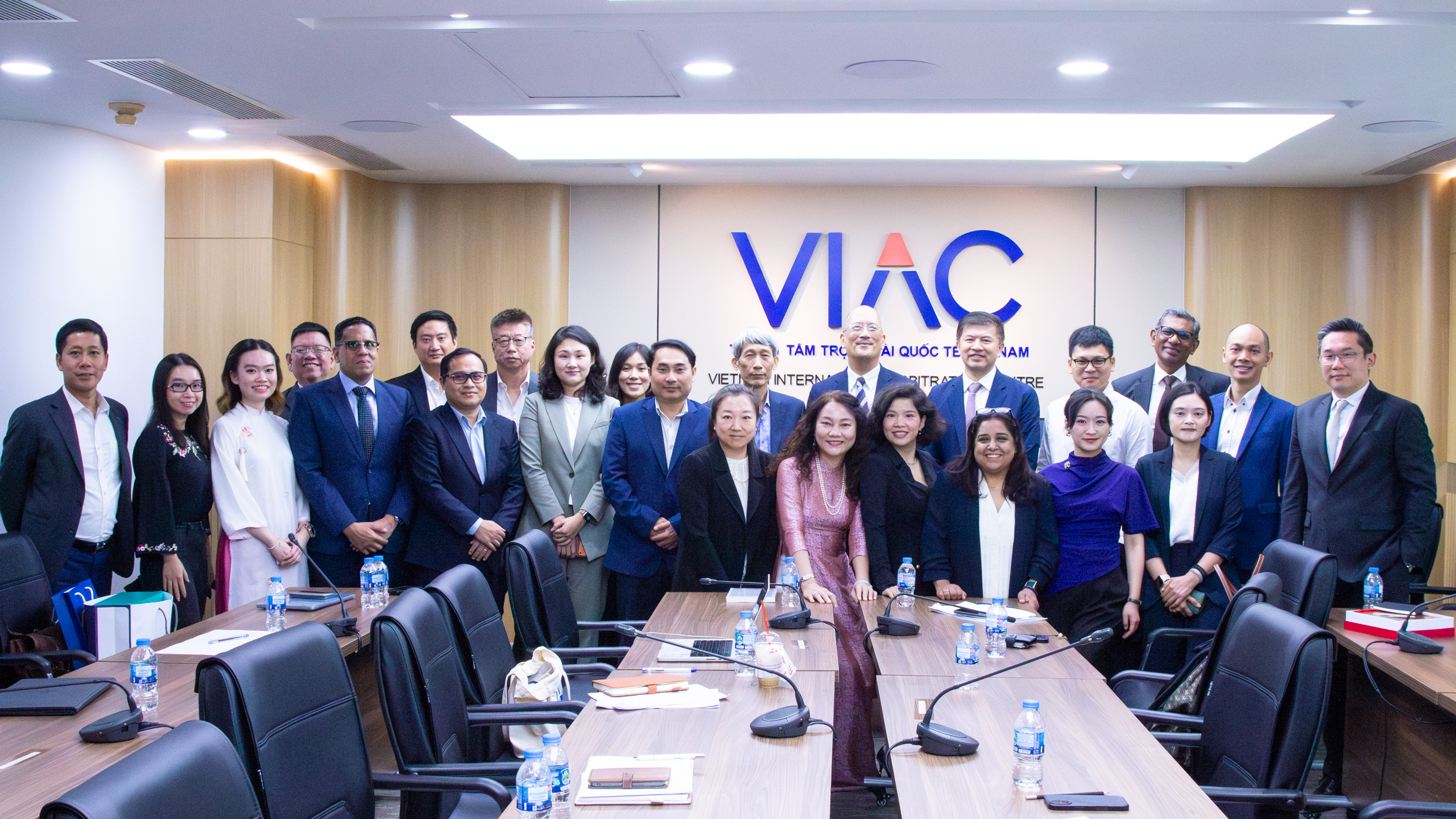
Other photos
Throughout each panel session, the experts actively engaged in dynamic discussions and shared practical experiences with attending delegates. The Conference received numerous inquiries, practical scenarios raised by enterprises regarding technology adoption in commercial transactions. On that basis, the speakers provided targeted analyses and actionable recommendations tailored to each category of issues, enabling enterprises to better identify potential risks, proactively resolve operational hurdles, and build confidence when integrating digital technologies into transactional practices.
_____________________________
Read detail of the Conferences of LMS 2026:
| Finance Sector | Conference: Digital transformation in financial transactions: Facilitation of capital flows or complication of disputes | |
| Logistics Sector | Conference: Digital transformation in Logistics transactions: Implementing a hybrid model in the transitional phase |
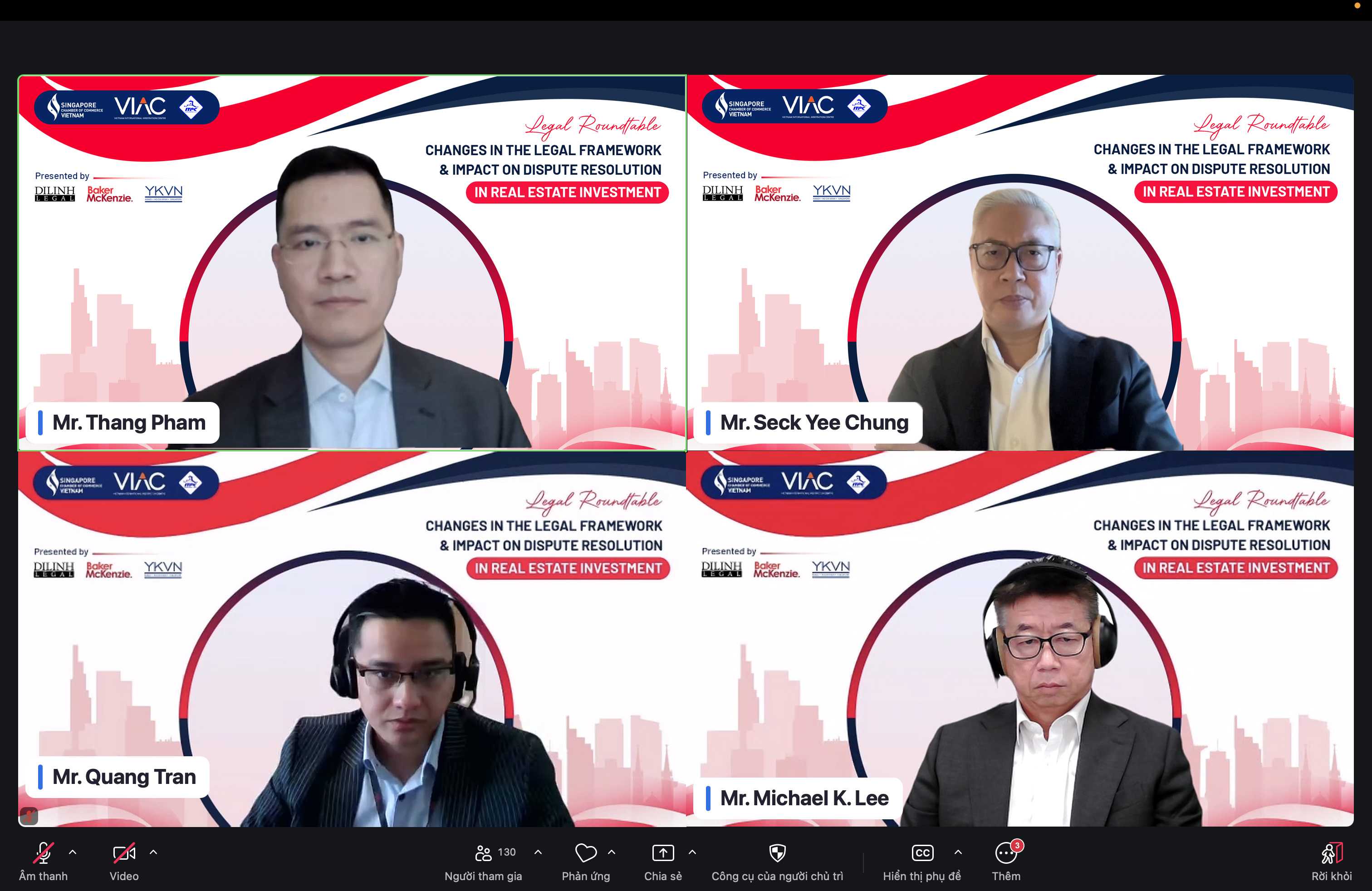


![[Recap LMS 2026] Business Legal Lens (BLL) #02: “Force majeure: The gap between business understanding and legal approach”](/images/News-and-Events/2026/News/LMS 2026/BLL02/IMG_0136.jpg)
![[Recap LMS 2026] VIAC & ITPC co-organized the Business Legal Lens (BLL) #01: “Conditions precedent in loan agreements: Understanding correctly to prevent risks”](/images/News-and-Events/2026/News/LMS 2026/BLL 01/IMG_8873.jpg)
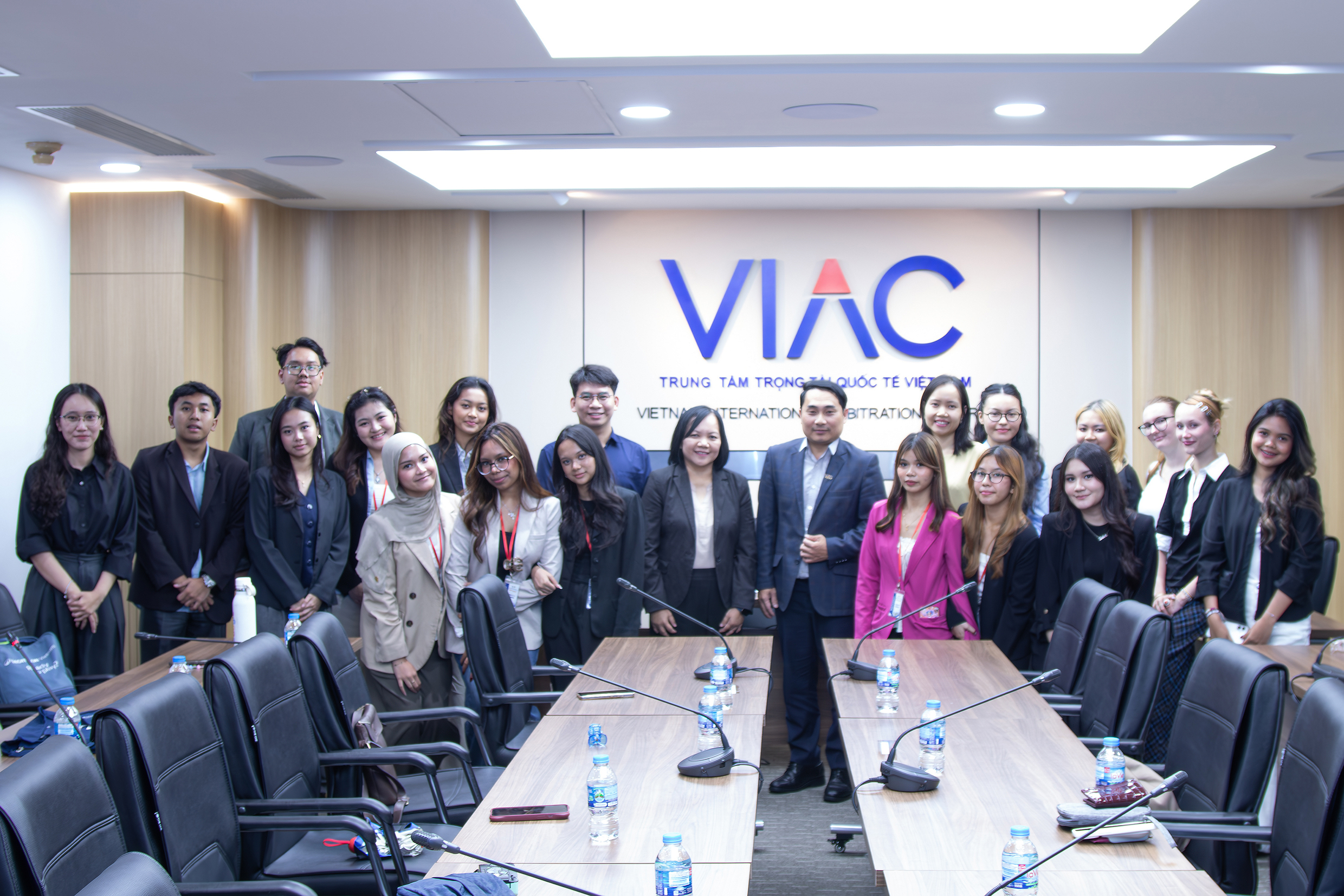
![[Recap LMS 2026] Talkshow “Exemption from liability for technology-related risks in logistics transactions”](/images/News-and-Events/2026/News/LMS 2026/Logistics/LMS2026_2708---Slideshow-1.jpg)
![[Recap LMS 2026] Talkshow “Commercial contracts with counterpart clauses – Streamlining contract formation or increasing legal risks?"”](/images/News-and-Events/2026/News/LMS 2026/Thuong mai/LMS2026_2008_Speakers.png)
![[Recap LMS 2026] Talkshow “Arbitral jurisdiction in resolving disputes arising from digital financial transactions"](/images/News-and-Events/2026/News/LMS 2026/Tai chinh/LMS2026_260813__Backdrop.png)



.png "Trường đại học ngoại thương")