- VIAC
-
ARBITRATION
- Arbitrate at VIAC
- VIAC eCase
- Combination of Arbitration and Mediation
- International Arbitration
- Resources
- NEWS & EVENTS
- Contact
-




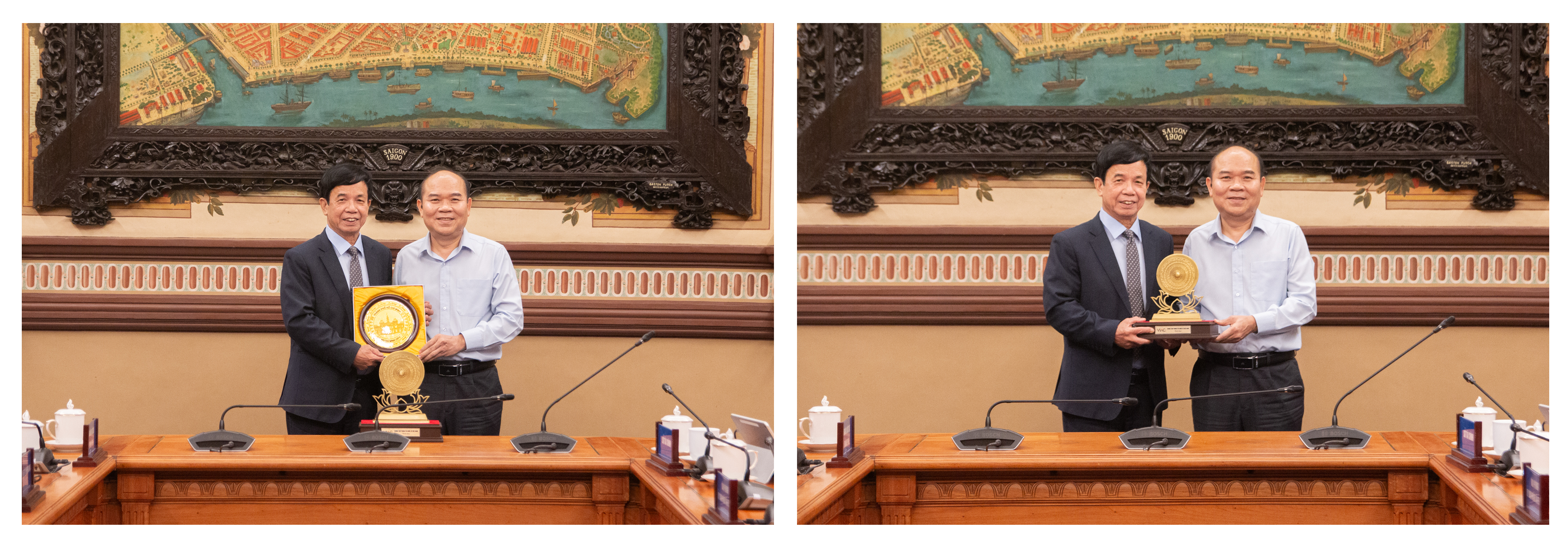
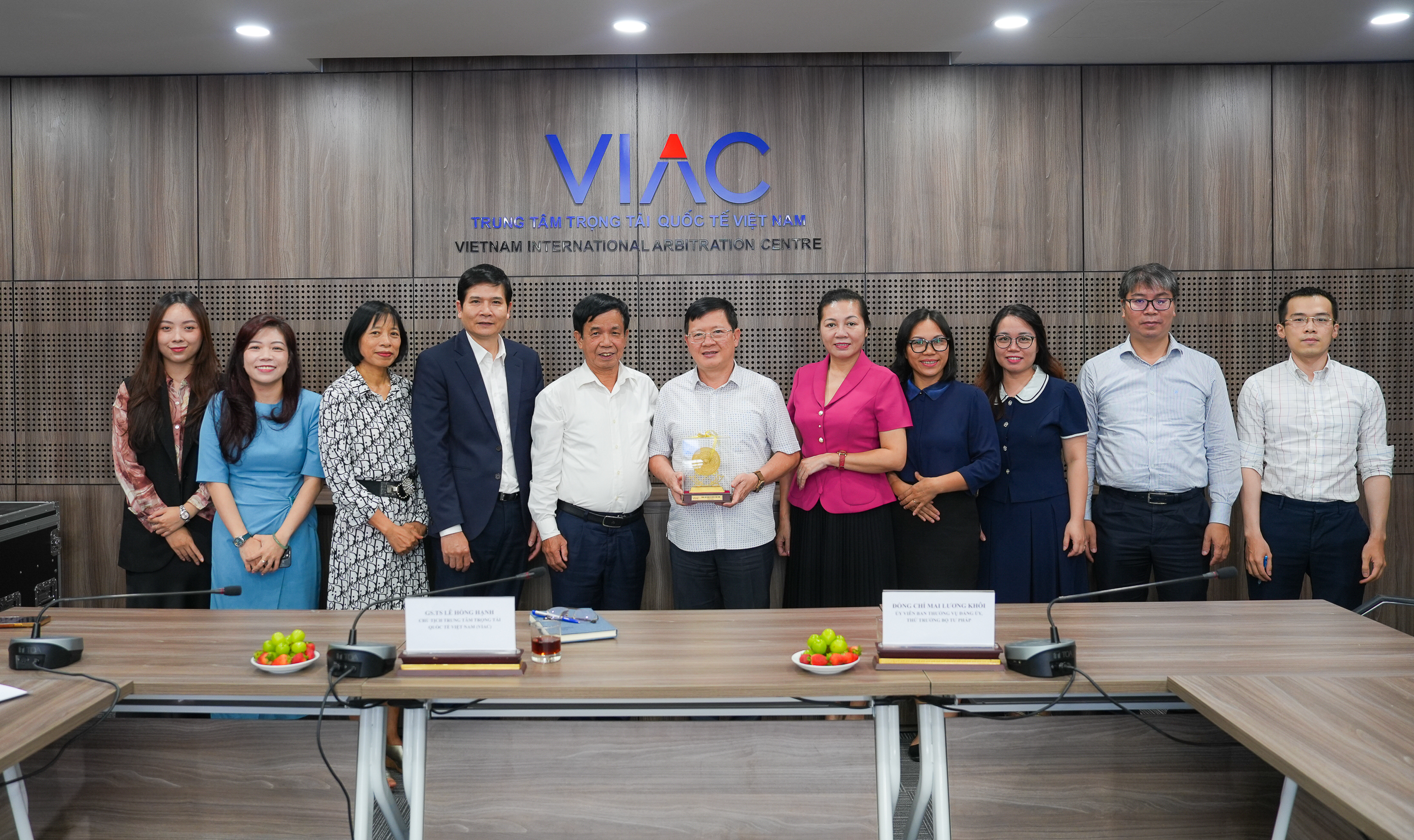
On October 13, at the headquarters of the Ho Chi Minh City People’s Committee, a delegation from the Vietnam International Arbitration Centre (VIAC) attended a working session with representatives of municipal departments, agencies, and relevant organizations.
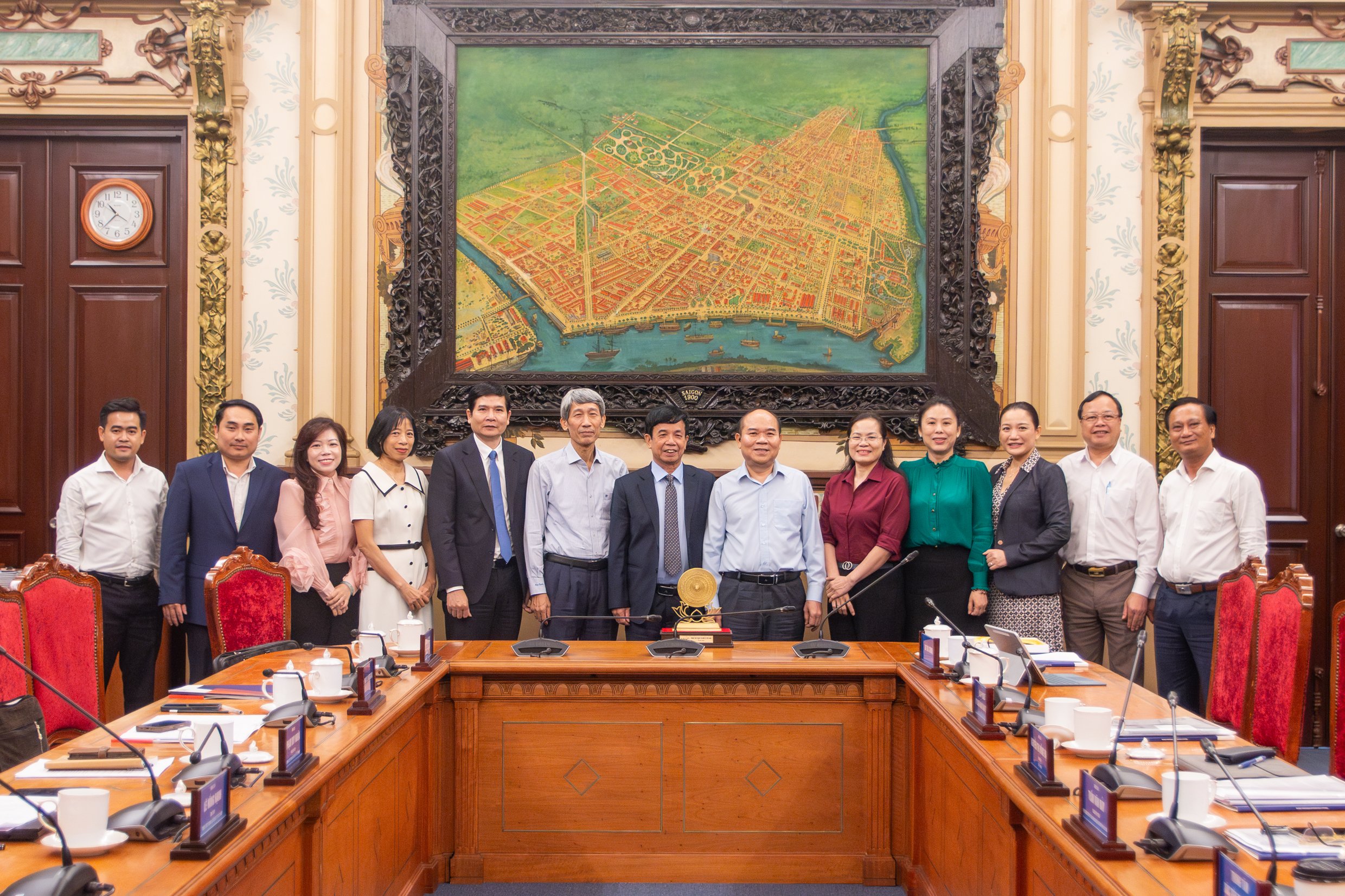
The working session focused on strategic orientations to expand the use of alternative dispute resolution (ADR) mechanisms, strengthen dispute prevention, and enhance legal risk management, while unlocking broader collaborative opportunities between VIAC and municipal state management agencies.
The working session was hosted by Mr. Tran Van Bay - Vice Chairman of the Ho Chi Minh City People’s Committee, with the attendance of invited delegates representing municipal departments and agencies, including the Department of Justice, the Department of Construction, the Department of Finance, the Department of Industry and Trade, the Department of Agriculture and Environment, the Investment and Trade Promotion Centre (ITPC), the Ho Chi Minh City Commercial Arbitration Association, the Ho Chi Minh City Bar Association, and the Vietnam International Arbitration Centre (VIAC).
Attending the working session on behalf of the Vietnam International Arbitration Centre (VIAC), the delegation was led by Prof. Dr. Le Hong Hanh – President of VIAC, alongside Assoc. Prof. Dr. Pham Duy Nghia – Vice President of VIAC, Mr. Vu Anh Duong – Vice President and Secretary General of VIAC, Ms. Nguyen Thi Mai – Director of the Vietnam Mediation Centre (VMC) under VIAC, Mr. Chau Viet Bac – Deputy Director of the VIAC Ho Chi Minh City Branch, and Ms. Tran Bao Ngoc – Director of Business Development & Promotion department at VIAC.
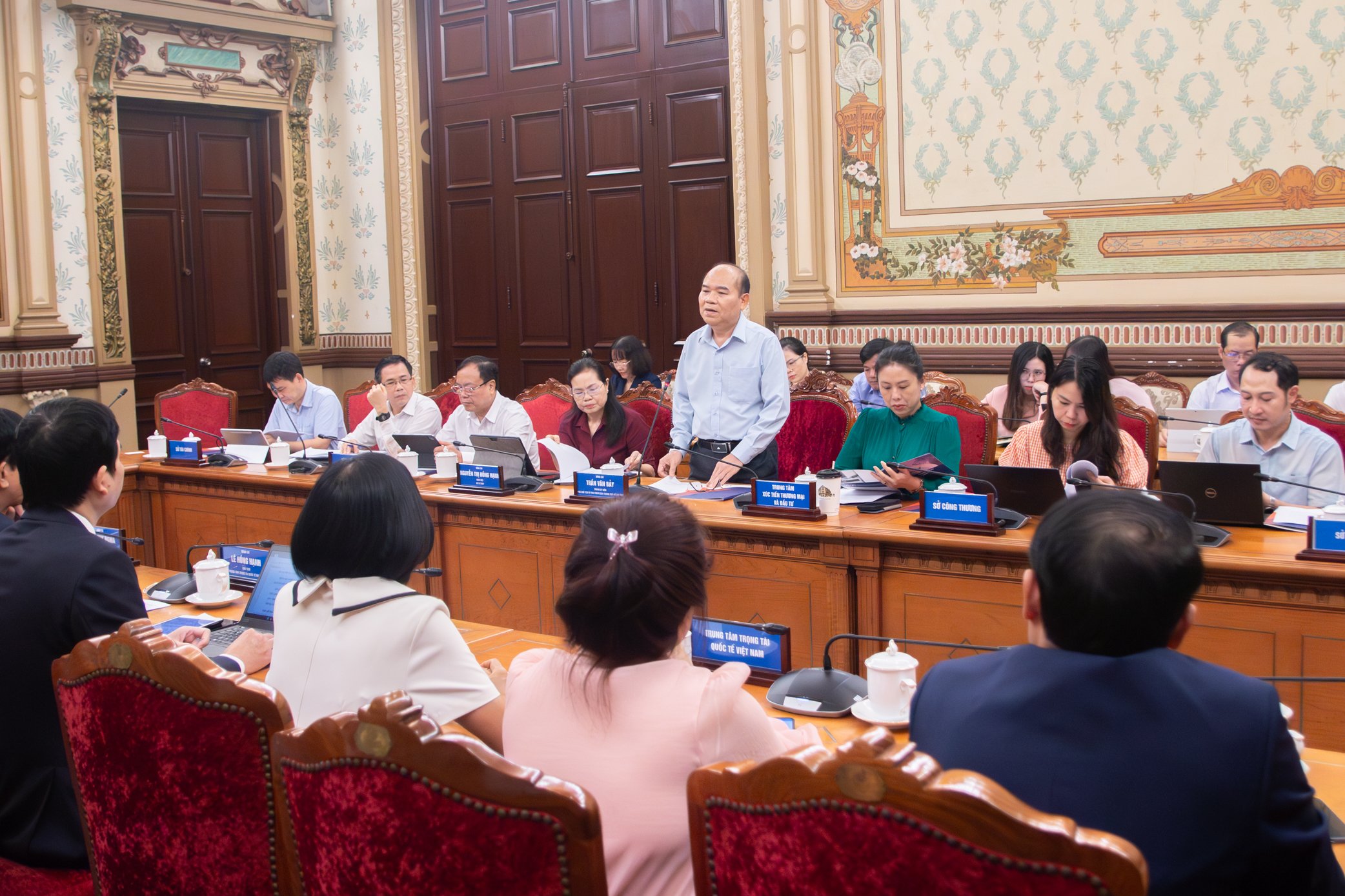
Mr. Tran Van Bay – Vice President of the Ho Chi Minh City People’s Committee
Addressing the working session, Mr. Tran Van Bay – Vice President of the Ho Chi Minh City People’s Committee, emphasized that as a major economic, commercial, and investment hub of the country, Ho Chi Minh City faces increasingly stringent requirements to refine its institutional framework, elevate law enforcement effectiveness, and manage legal risks across investment and business operations. In this context, mobilizing the expertise and practical experience of legal scholars, practicing lawyers, and professional organizations plays a pivotal role in drafting, perfecting, and enforcing laws within the city. This strategic direction also aligns closely with the spirit of Politburo Resolution No. 66-NQ/TW on reforming legislative development and law enforcement to meet national development demands in the new era.
In particular, as the two-tier local governance model is implemented alongside organizational restructuring and administrative streamlining, the imperative to upskill civil servants and public officials, especially in managing complex legal issues surrounding investment activities and disputes involving state agencies becomes increasingly urgent. According to Mr. Bay, collaboration with arbitration and mediation institutions, as well as legal experts, must be operationalized through substantive, practical initiatives grounded in the city's concrete needs.
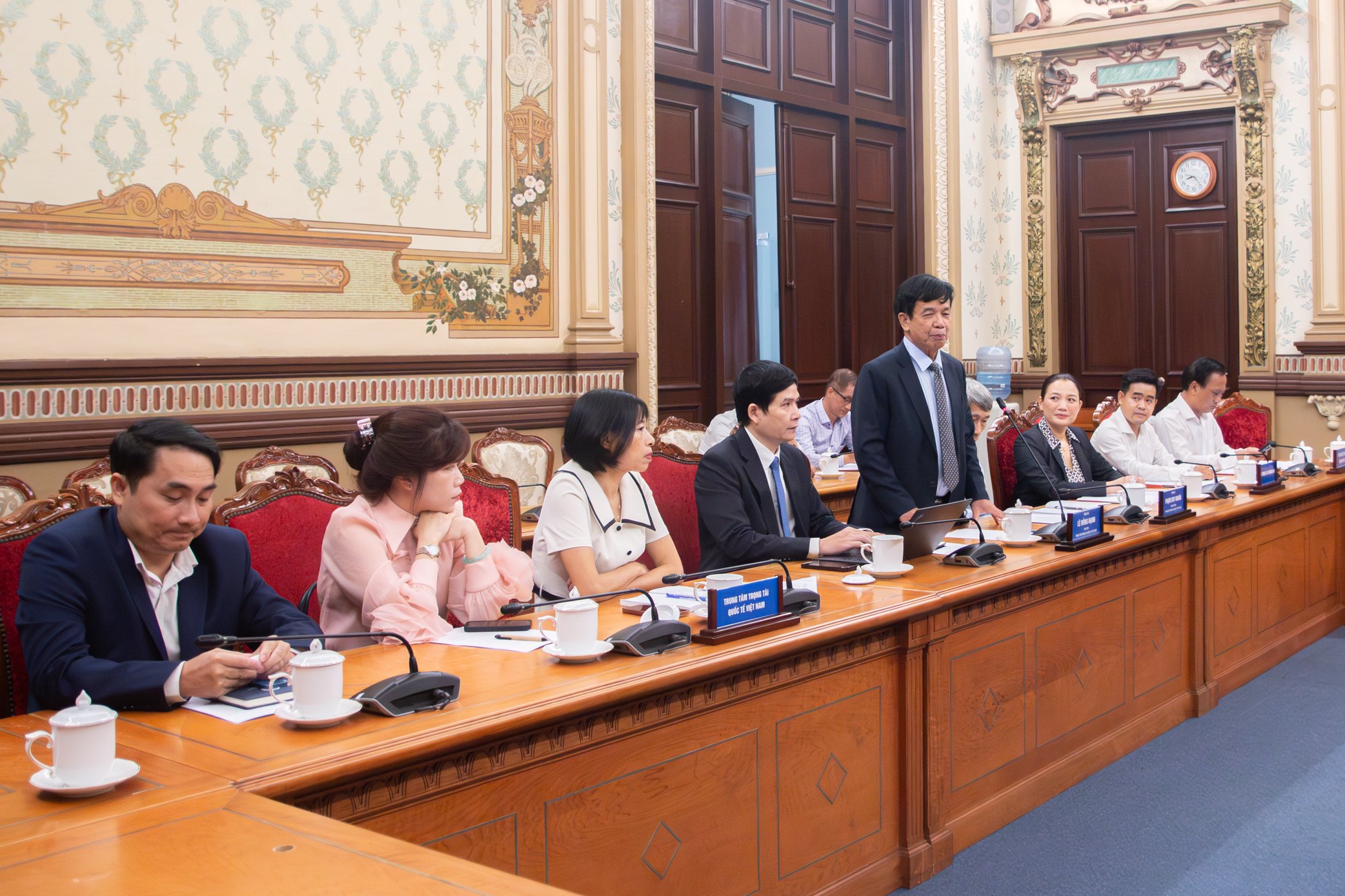
Prof. Dr. Le Hong Hanh – President of the Vietnam International Arbitration Centre (VIAC)
Sharing point of view, Prof. Dr. Le Hong Hanh – President of the Vietnam International Arbitration Centre (VIAC) noted that Ho Chi Minh City’s dynamic growth, coupled with the increasing scale and complexity of cross-border investment, commercial, construction, financial, and business transactions, has imposed new demands on dispute prevention and resolution. According to Prof. Dr. Le Hong Hanh, developing effective, flexible dispute resolution mechanisms aligned with international best practices not only safeguards the legitimate rights and interests of parties in commercial and investment relations, but also plays a crucial role in reinforcing investor confidence and elevating the competitiveness of the business environment. On that basis, strengthening engagement between VIAC, the municipal government, and specialized agencies of Ho Chi Minh City will establish favorable conditions to leverage practical experience in risk governance, dispute prevention, and dispute resolution, thereby supporting both state administration and the business community.
On that basis, the working session between the Ho Chi Minh City People’s Committee and VIAC was convened to discuss strategic orientations for cooperation in promoting the adoption of commercial arbitration, commercial mediation, and alternative dispute resolution (ADR) mechanisms. Concurrently, the exchange sought to leverage VIAC’s practical expertise in dispute settlement, particularly concerning disputes involving state agencies while bolstering comprehensive support for the municipal business community in dispute prevention and legal risk management.
Leveraging VIAC’s Practical Expertise in Dispute Prevention and Resolution
Assoc. Prof. Dr. Pham Duy Nghia – Vice President of the Vietnam International Arbitration Centre (VIAC) highlighted the critical importance of strengthening cooperation among state management agencies, legal practice organizations, arbitral institutions, and the business community in providing legal training, capacity-building, and enhancing competencies in dispute prevention and resolution. For the public sector, specialized training programs aim to bolster the legal acumen of civil servants and public officials, particularly in legal risk governance, navigating legal issues arising from state administration, and handling disputes involving state agencies.
For the private sector, legal training and advisory support center on sharpening corporate competencies in contract management, dispute prevention, and dispute resolution for enterprises and investors. Concurrently, these initiatives create open forums where market participants can directly share practical hurdles and bottlenecks encountered throughout their investment and business operations, allowing them to engage with experts to devise timely solutions, mitigate legal exposures, and prevent protracted disputes. Through these targeted efforts, such cooperative initiatives not only strengthen the legal capabilities of both the public and private sectors, but also foster cross-sectoral dialogue and the exchange of practical expertise, striving toward a safer, more transparent, and resilient investment and business climate.
Highlighting VIAC’s potential contributions to this process, Assoc. Prof. Dr. Pham Duy Nghia noted that with over 30 years of operation since its establishment in 1993, VIAC has amassed extensive dispute resolution experience across diverse sectors of commerce, investment, and business. On this foundation, beyond its core function of arbitrating disputes, VIAC alongside the Vietnam Mediation Centre (VMC) under VIAC has actively driven policy research, legal dissemination, advanced training programs, and practical knowledge-sharing in legal risk governance, contract administration, and dispute settlement.
In Ho Chi Minh City, VIAC has sustained close coordination with state management agencies, professional organizations, business associations, and academic institutions, including the Department of Justice and the Investment and Trade Promotion Centre of Ho Chi Minh City (ITPC). This established network serves as a vital foundation for further expanding cooperative programs that integrate dispute resolution expertise with the practical mandates of municipal authorities and the operational needs of the local business community.
Reflecting on Ho Chi Minh City’s practical realities, Assoc. Prof. Dr. Pham Duy Nghia observed that the city possesses highly favorable conditions to advance commercial arbitration, underpinned by a sizable legal fraternity, an agile business community, and substantial foreign direct investment inflows. However, a persistent challenge lies in bolstering investor confidence, particularly among foreign investors in domestic dispute resolution mechanisms in Vietnam. In cross-border transactions, contracting parties still demonstrate a tendency to select foreign arbitral institutions and offshore seats of arbitration. This reality necessitates continuous improvements in arbitral service quality, capacity-building for practicing attorneys and key dispute resolution practitioners, and substantial enhancements to the transparency, efficiency, and predictability of the legal environment.
According to Assoc. Prof. Dr. Pham Duy Nghia, to unlock this full potential, the dedicated attention, guidance, and backing from the Party, State authorities, and the municipal administration of Ho Chi Minh City play an instrumental role in establishing a bedrock for the growth of commercial arbitration and the local legal fraternity. Accordingly, the city should consider formulating and adopting favorable mechanisms and policies to foster high-caliber legal services, step up specialized training in international trade and investment dispute resolution, and enable arbitral institutions and legal practice organizations to engage more deeply in corporate legal support. These concerted efforts will steadily augment local dispute resolution capacity, shore up investor confidence, and position Ho Chi Minh City as a reliable, credible destination for investment, business operations, and international commercial dispute resolution.
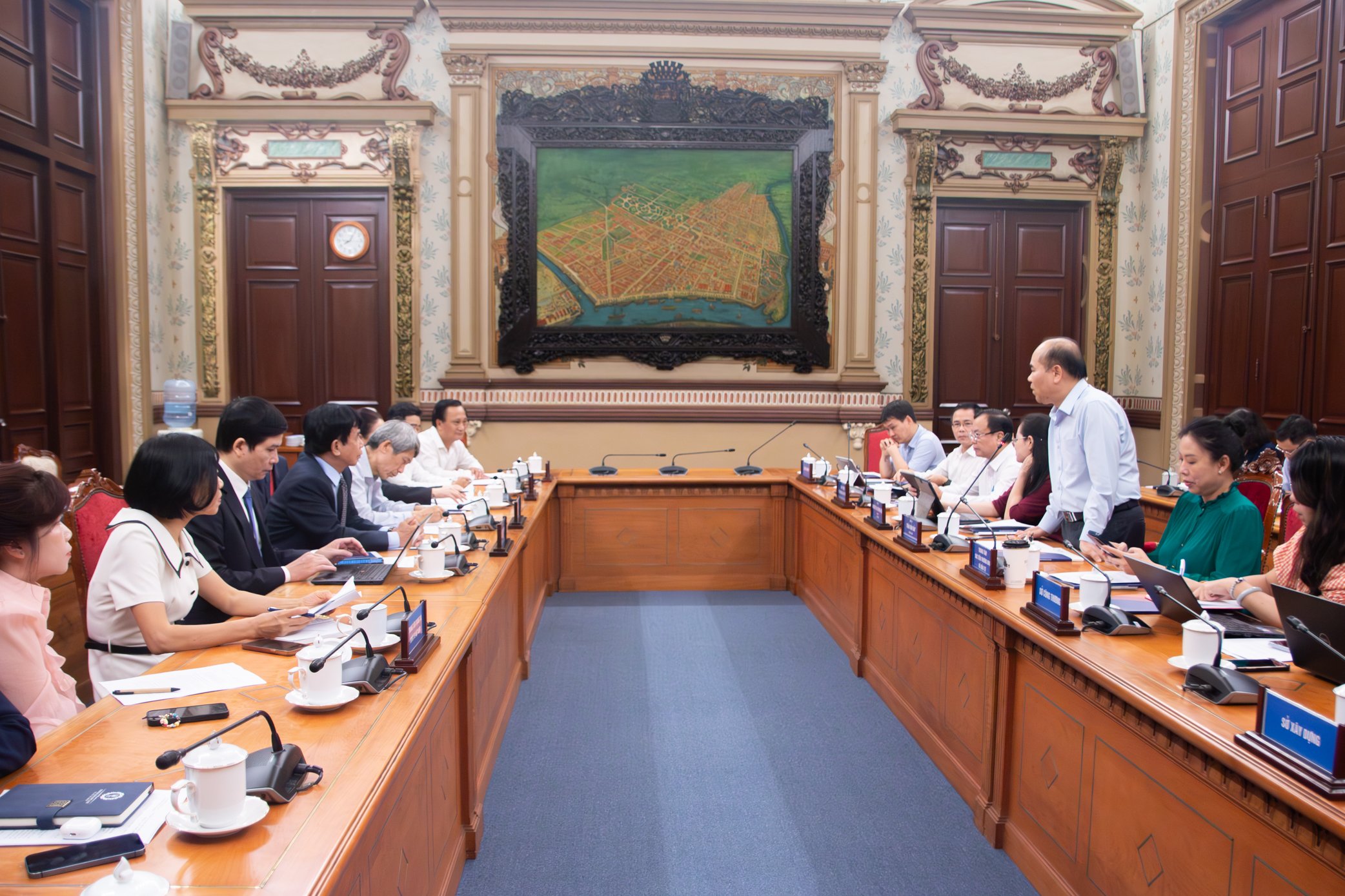
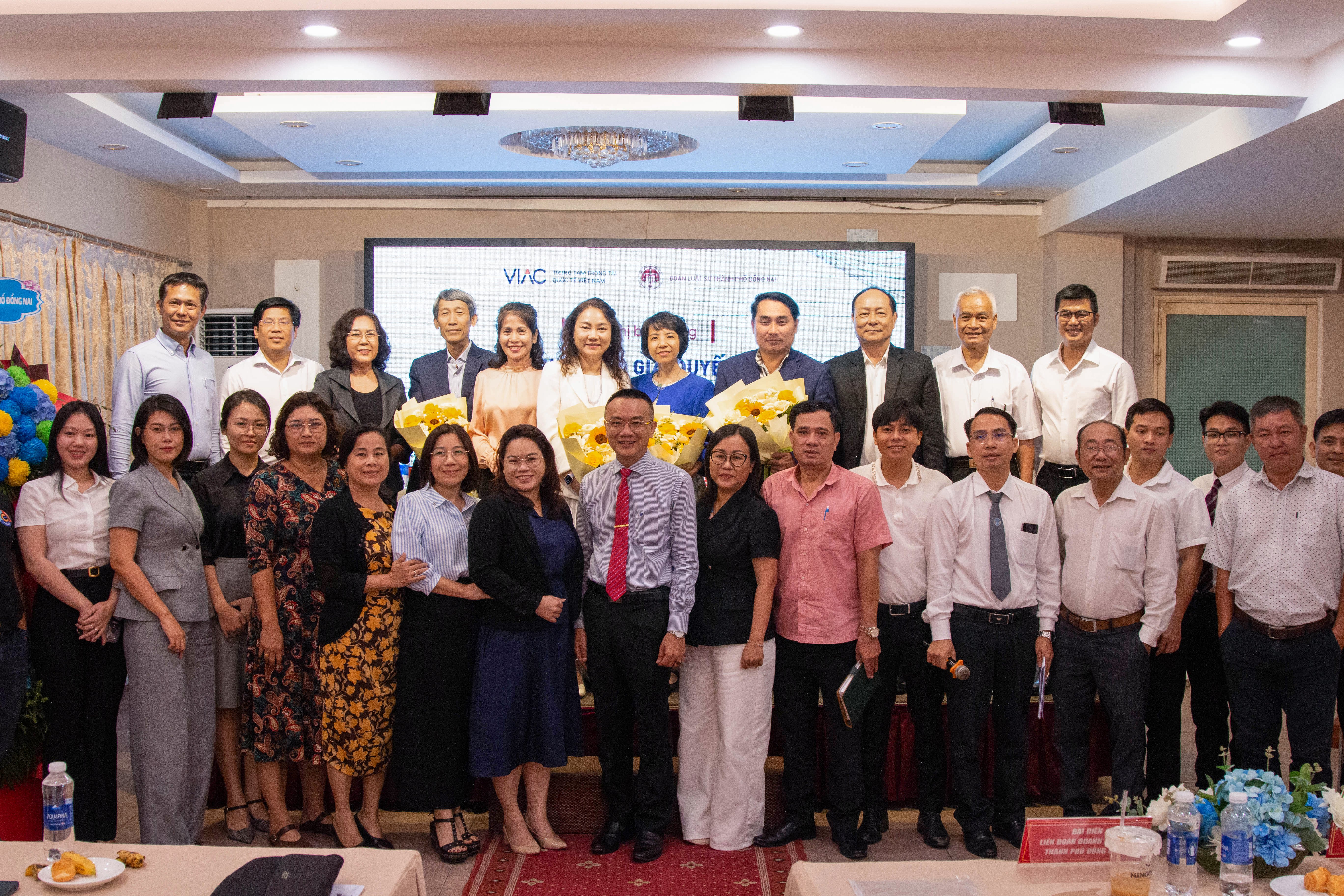
Representatives of Participating Entities
Proposals to Expand Cooperation in Legal Risk Management and Enterprise Support
Grounded in the city’s practical imperatives and VIAC’s specialized expertise, the parties deliberated on collaborative orientations aimed at elevating the effectiveness of dispute prevention, management, and resolution across investment and commercial operations, including:
Besides, to progressively operationalize these strategic orientations, VIAC proposed exploring the establishment of a formal coordination mechanism with the Ho Chi Minh City People's Committee, the Department of Justice, and relevant municipal departments. This initiative aims to delineate priority areas, designate coordinating focal points, and formulate an actionable implementation roadmap. Simultaneously, enhancing information sharing, joint research, and technical consultation mechanisms will ensure that collaborative endeavors remain practical and responsive to the needs of state management agencies and the business community. In tandem, VIAC recommended fostering structured exchanges, academic research, and expert consultations, thereby enabling real-world dispute resolution insights to be translated into actionable recommendations for risk prevention, contract refinement, and enhanced legal governance.
The working session provided a valuable opportunity for VIAC to reinforce dialogue and engagement with the Ho Chi Minh City People’s Committee and municipal specialized agencies, while paving the way for substantive joint initiatives in the near future. Through these efforts, VIAC remains dedicated to bringing alternative dispute resolution mechanisms closer to the day-to-day operations of public agencies, organizations, and enterprises, thereby contributing to a stable, transparent, and sustainable investment and business environment in Ho Chi Minh City.