- VIAC
-
ARBITRATION
- Arbitrate at VIAC
- VIAC eCase
- Combination of Arbitration and Mediation
- International Arbitration
- Resources
- NEWS & EVENTS
- Contact
-




On October 23, in Dong Nai, the Vietnam International Arbitration Centre (VIAC), in collaboration with the Dong Nai Bar Association, organized the Training Conference entitled “Managing Volatility and Resolving Disputes in Public - Private Partnership Projects”
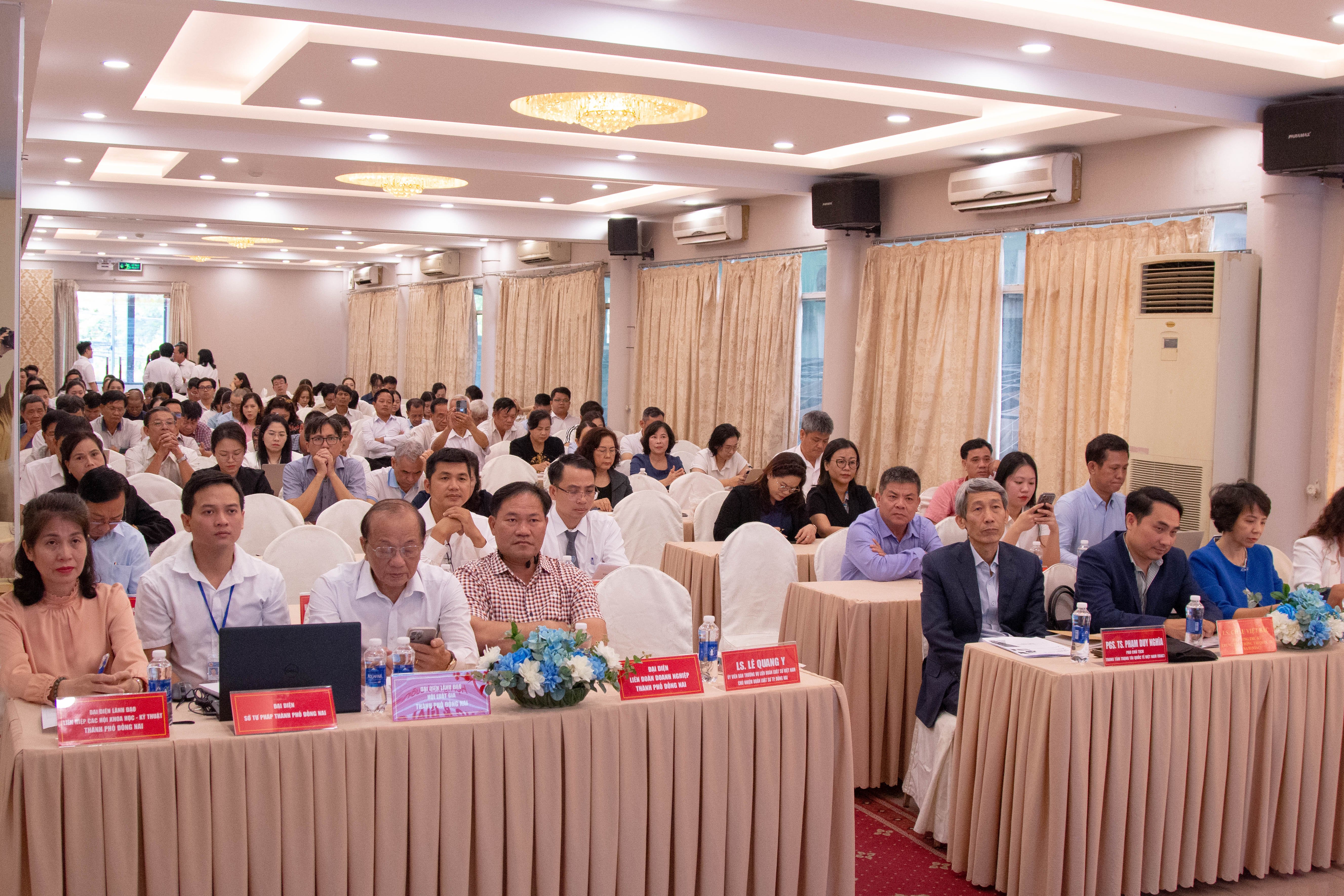
The conference focused on providing updates on the evolving regulatory framework for Public-Private Partnership (PPP) investments, addressing practical issues arising from project execution, and sharing hands-on experience in contract risk management and dispute resolution, thereby enhancing the legal advisory competence of practicing attorneys in this specialized field.
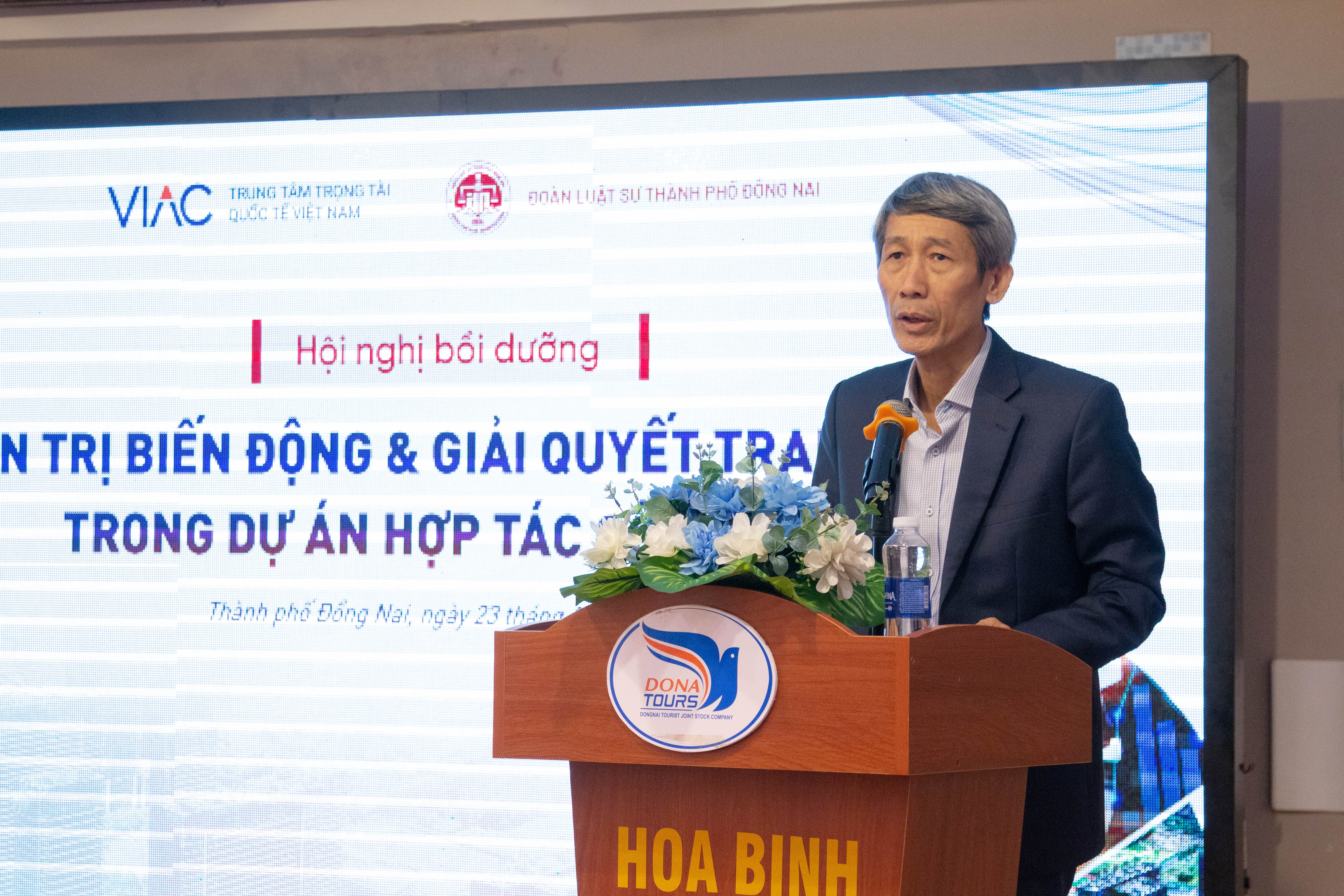
Assoc. Prof. Dr. Pham Duy Nghia - Vice President of the Vietnam International Arbitration Centre (VIAC)
Delivering the opening remarks, Assoc. Prof. Dr. Pham Duy Nghia - Vice President of the Vietnam International Arbitration Centre (VIAC) observed that amidst mounting demands for infrastructure development, Public - Private Partnership (PPP) investment remains a pivotal mechanism for mobilizing private capital, augmenting investment resources, and enhancing the delivery of public services. However, characterized by the blending of public and private resources and responsibilities, extended project life cycles, and intricate contractual and financial structures, PPP projects inherently carry substantial legal risks. In particular, fluctuations in regulatory policies, urban planning, investment costs, and project timelines can directly jeopardize the performance of parties’ contractual rights and obligations, escalating into disagreements and formal disputes. In light of these realities, he underscored the imperative of proactive legal risk governance right from the project preparation phase, wherein legal counsel play an indispensable role in structuring transactions, negotiating and drafting contracts, and designing robust dispute prevention and resolution mechanisms.

Mr. Le Quang Y – Chairman of the Dong Nai Bar Association
Sharing the perspective, Mr. Le Quang Y – Chairman of the Dong Nai Bar Association underscored the strategic significance of accelerating PPP projects for local socioeconomic development. Occupying a pivotal position within the transportation, logistics, and industrial network of the Southern Key Economic Zone, Dong Nai faces substantial demand for modernizing infrastructure and mobilizing diverse investment capital. In this context, the successful delivery of PPP undertakings necessitates not only a coherent legal framework but also elevated advisory capabilities and risk governance across the entire project lifecycle. Accordingly, early involvement by legal counsel is essential to assist competent state authorities, project investors, and project enterprises in identifying, evaluating, and appropriately allocating risks, ensuring contractual enforceability and bankability, while minimizing exposure to potential disputes. These efforts safeguard the legitimate rights and interests of all parties, optimize project execution, and foster an enabling environment for attracting infrastructure investment into the locality.
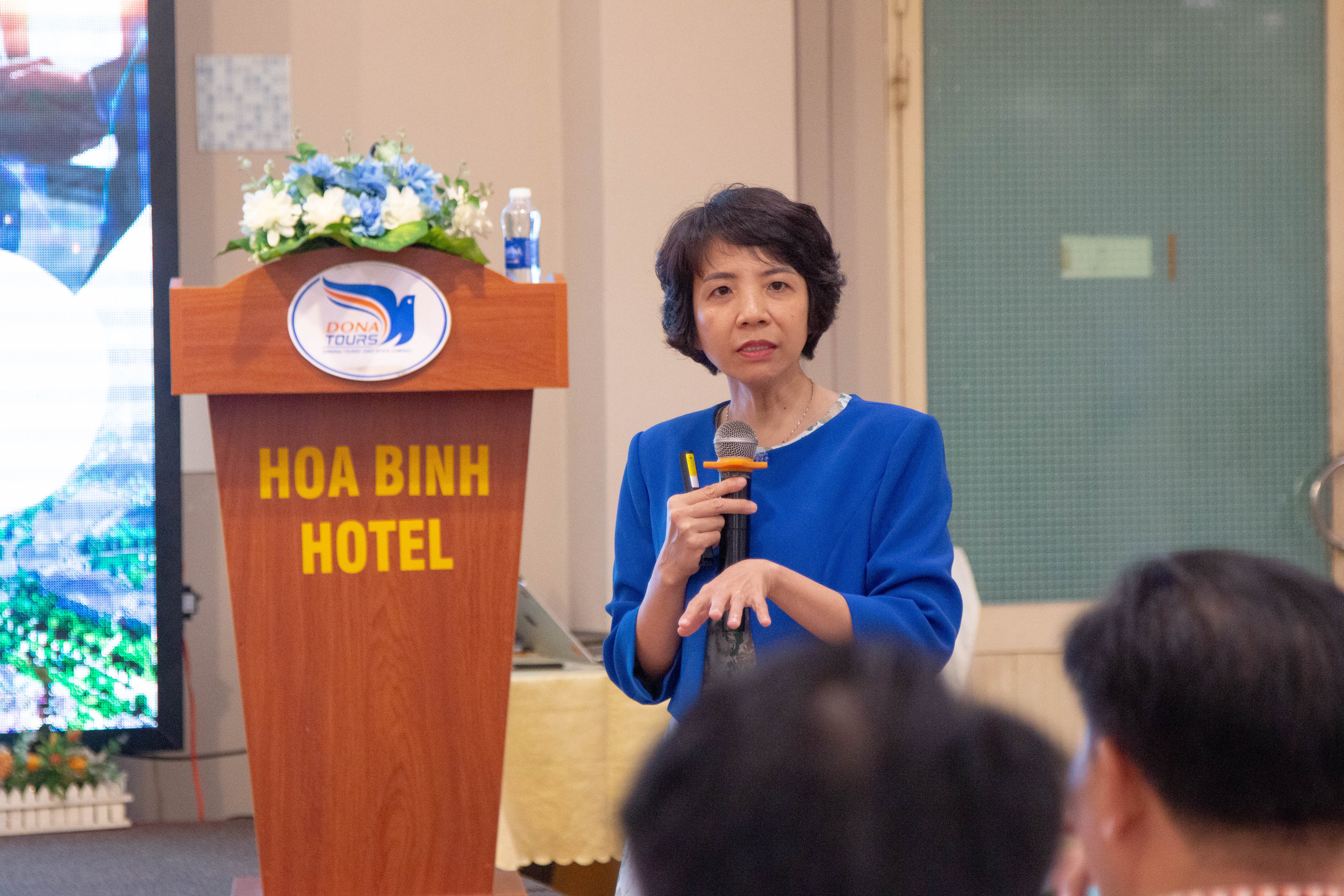
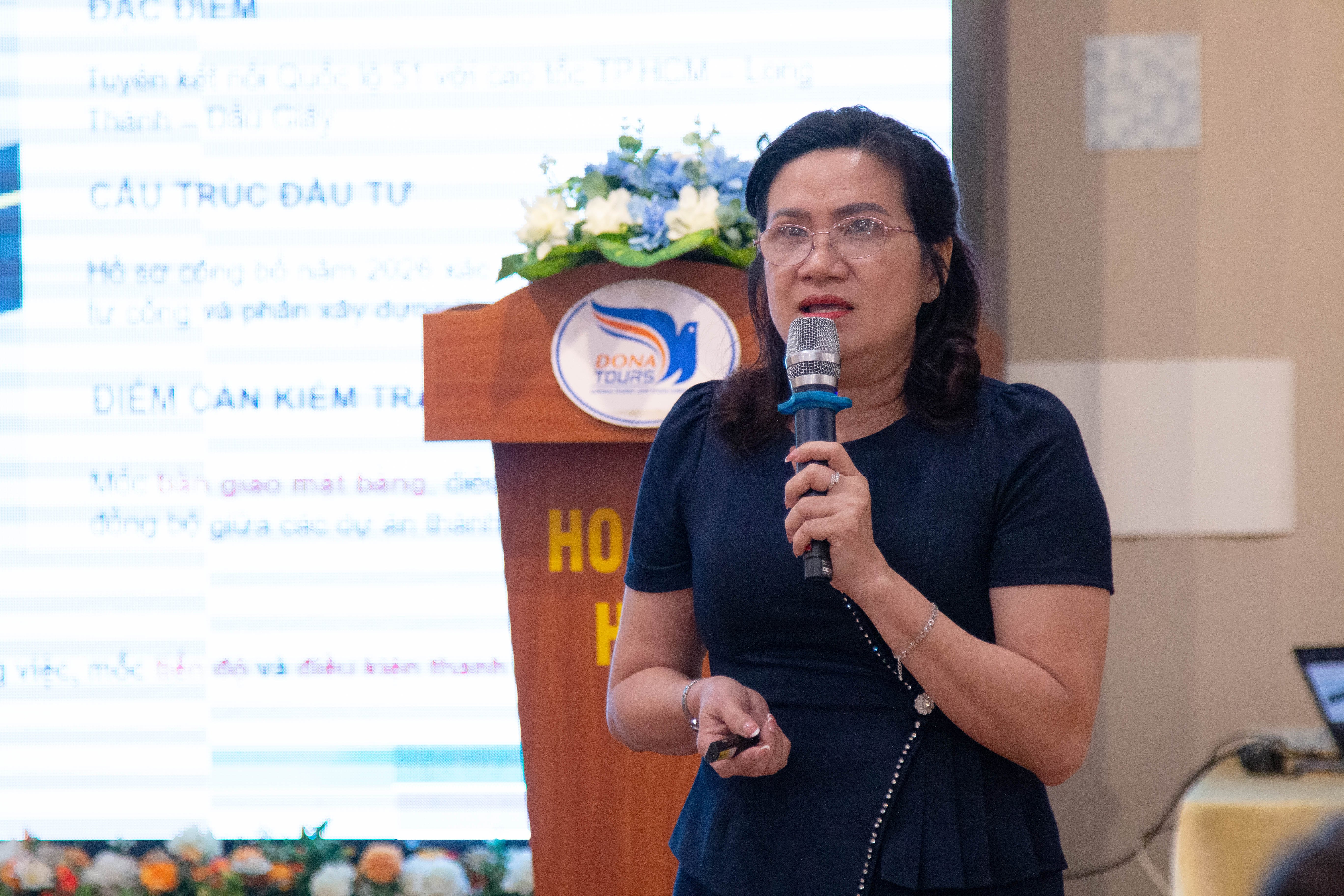
Ms. Vu Quynh Le - Public - Private Partnership (PPP) Contract Specialist
At the conference, Ms. Vu Quynh Le - Public - Private Partnership (PPP) Contract Specialist presented key milestones and core reforms within Vietnam’s evolving PPP legal framework. Her presentation illuminated the foundational nature of the PPP procurement model, highlighted major regulatory amendments under the prevailing legal regime, and assessed the tangible impacts of these new statutory provisions on project preparation, investor selection, contract execution, and project performance.
In particular, the amendments and supplements to the Law on Public-Private Partnership Investment enacted under Law No. 57/2024/QH15 and Law No. 90/2025/QH15 stand out as major milestones aimed at broadening the statutory scope of the PPP model and facilitating capital mobilization for infrastructure development. Key provisions governing eligible investment sectors, minimum project scale, the proportion of state capital participation, the revenue-sharing mechanism for revenue increases and decreases, investor selection procedures were also scrutinized to elucidate emerging commercial opportunities alongside statutory compliance requirements for participating stakeholders.
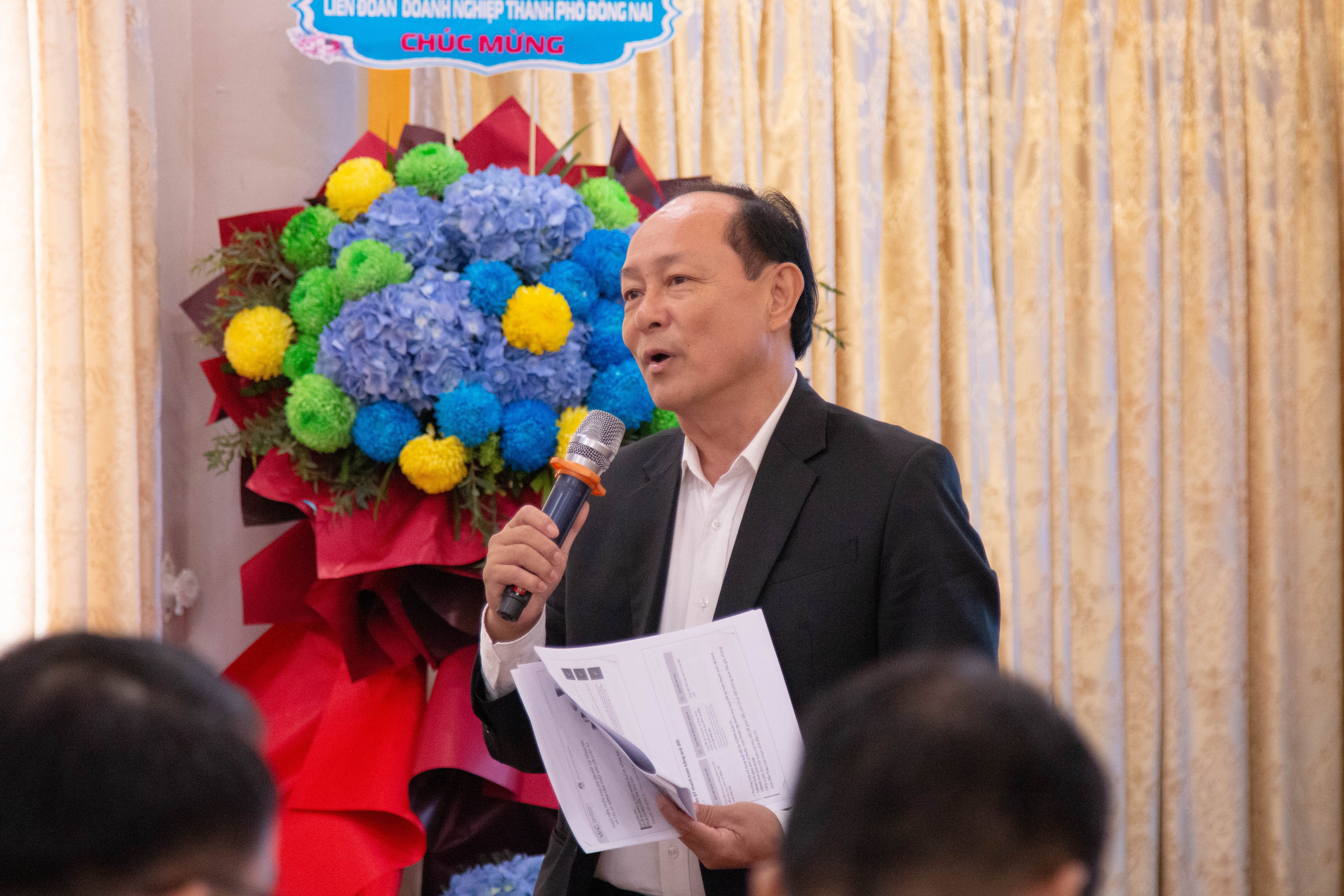 |  |
Mr. Le Quang Y – Chairman of the Dong Nai Bar Association and Ms. Nguyen Thi Thu Cuc - Vice Head of the Department of Lawyer Training, Capacity-Building, and Professional Development, Dong Nai Bar Association
Offering municipal perspectives, Mr. Le Quang Y – Chairman of the Dong Nai Bar Association alongside Ms. Nguyen Thi Thu Cuc - Vice Head of the Department of Lawyer Training, Capacity-Building, and Professional Development, Dong Nai Bar Association discussed the ongoing implementation of PPP projects in Dong Nai, prevailing legal hurdles encountered during execution, and essential advocacy skills required for project legal counsel. The discussion centered on identifying risks across the entire project lifecycle, from investment preparation, zoning, and land-use reviews, and investor selection, to capital arrangement, contract performance, and managing unforeseen variations. Through this analysis, the speakers emphasized the imperative of conducting a comprehensive assessment of the legal and financial architecture as well as multi-stakeholder coordination mechanisms, rather than reviewing project contractual provisions in isolation.
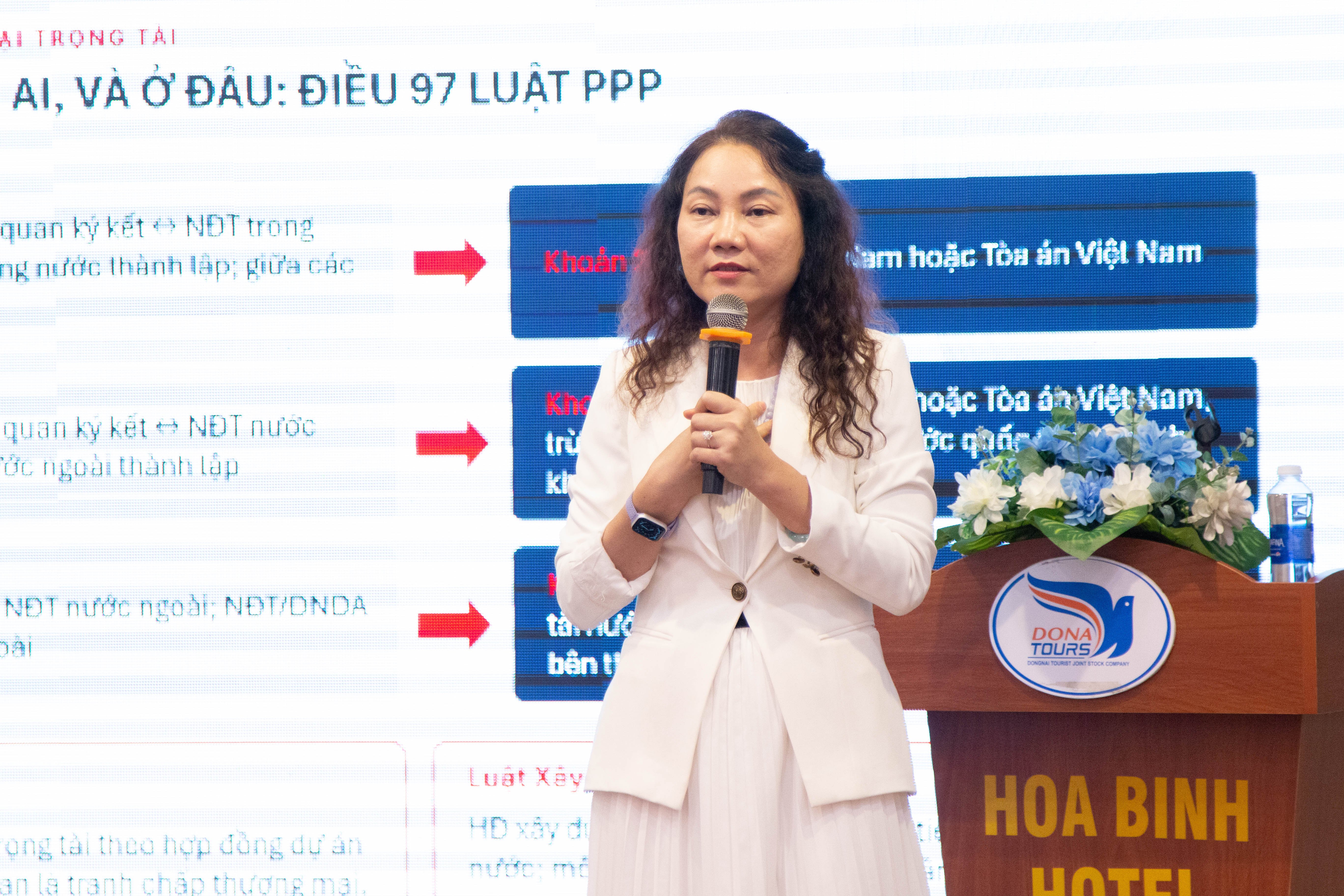
Ms. Hoang Nguyen Ha Quyen – CEO of LNT & Partners, VIAC’s listed Arbitrator, and Deputy Director of the Vietnam Mediation Centre (VMC)
Following the discussions on regulatory reforms and local project implementation, Ms. Hoang Nguyen Ha Quyen – CEO of LNT & Partners, VIAC’s listed Arbitrator, and Deputy Director of the Vietnam Mediation Centre (VMC) delivered a thematic presentation on “PPP Contract risk management and the role of Legal counsel”. Her session approached the subject through the dual lens of arbitral dispute resolution practice and contractual structuring techniques designed to mitigate legal risks.
According to Ms. Quyen, disputes arising from PPP projects are inherently complex due to the intertwining of administrative authority and contractual relations. They are further compounded by multidimensional factors such as policy and statutory shifts, site clearance bottlenecks, schedule delays, cost variations, and payment obligations. Moreover, a PPP project typically encompasses an intricate web of interdependent contracts, ranging from the overarching project agreement to EPC/construction contracts, O&M arrangements, and credit financing facilities. Consequently, ambiguous or disjointed risk allocation across these agreements can exacerbate exposure to disputes and entangle subsequent adjudication.
From a dispute settlement perspective, Ms. Quyen noted that the selection of dispute resolution forums must be evaluated against the substantive nature of the legal relationship, the participating entities, and the prevailing statutory framework, particularly given the direct involvement of competent state authorities. In this context, commercial arbitration stands out as a viable recourse owing to its procedural flexibility, confidentiality, and the parties’ autonomy to appoint adjudicators with specialized expertise.
In addition to arbitration, Ms. Quyen highlighted the instrumental role of commercial mediation in resolving impasses between contracting state authorities and private sponsors. Citing successful real-world mediation cases, the speaker demonstrated the potential of this mechanism to facilitate consensual outcomes, preserve commercial partnerships, and avert detrimental interruptions to project milestones. She concluded by stressing the critical need to proactively architect tailored risk governance frameworks and multi-tiered dispute resolution mechanisms during contract negotiation and signing, rather than relying on reactive remedies once conflicts have already materialized.
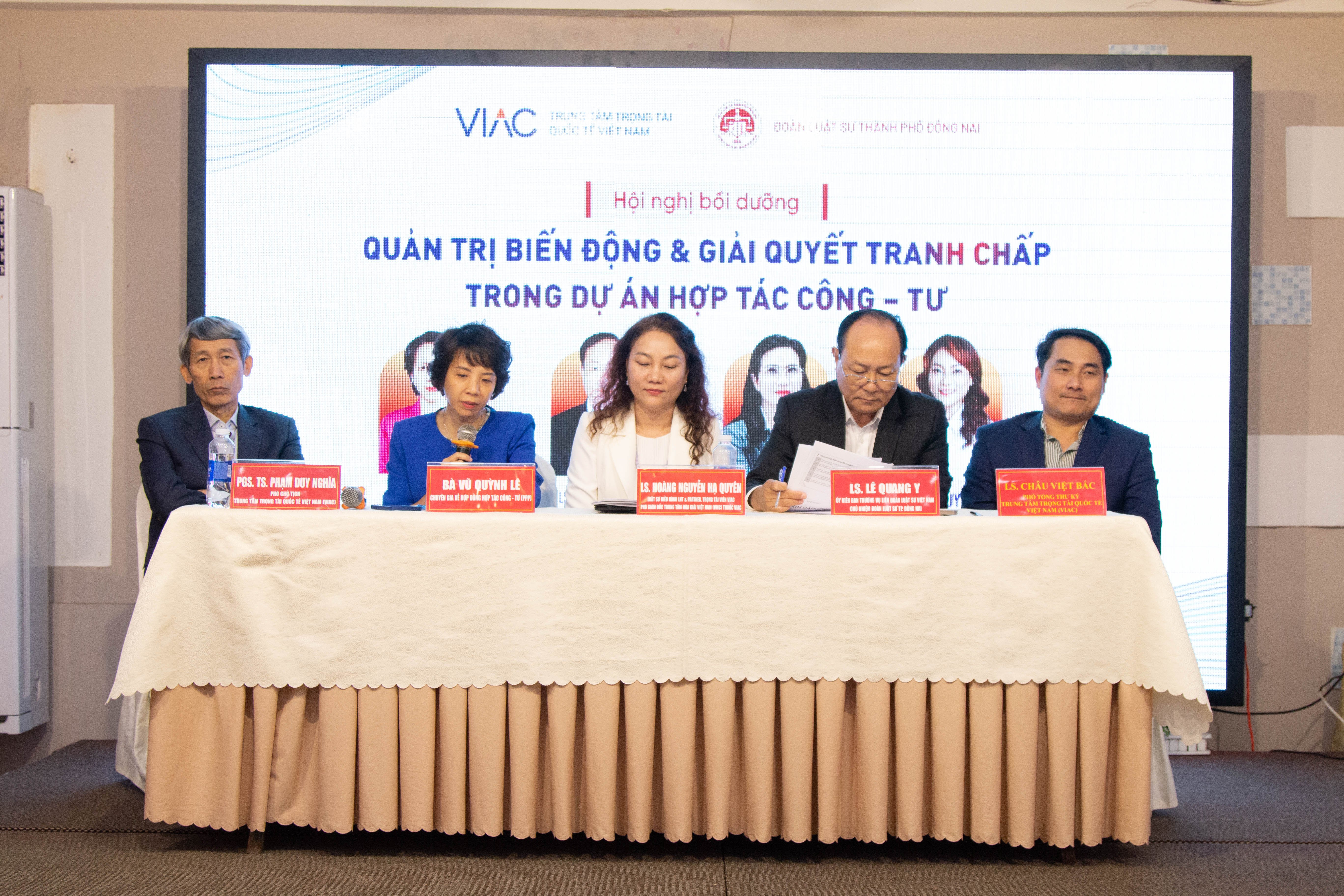
Within the framework of the conference, an interactive plenary discussion was convened to enable delegates to engage in deeper exchanges concerning operational hurdles and bottlenecks encountered in PPP project implementation. Deliberations focused extensively on regulatory compliance, contractual risk governance, contractual liability allocation among contracting parties, and the strategic selection of dispute resolution mechanisms.
Through the thematic presentations and interactive dialogues, the conference emphasized the imperative of shifting from reactive dispute adjudication to proactive risk identification, prevention, and governance right from the project preparation stage. Within this paradigm, the role of legal counsel extends beyond conventional statutory compliance advisory or dispute representation; it encompasses actively structuring transactions, drafting and negotiating robust contracts, managing variations, and assisting stakeholders in establishing viable governance mechanisms throughout the entire project lifecycle.
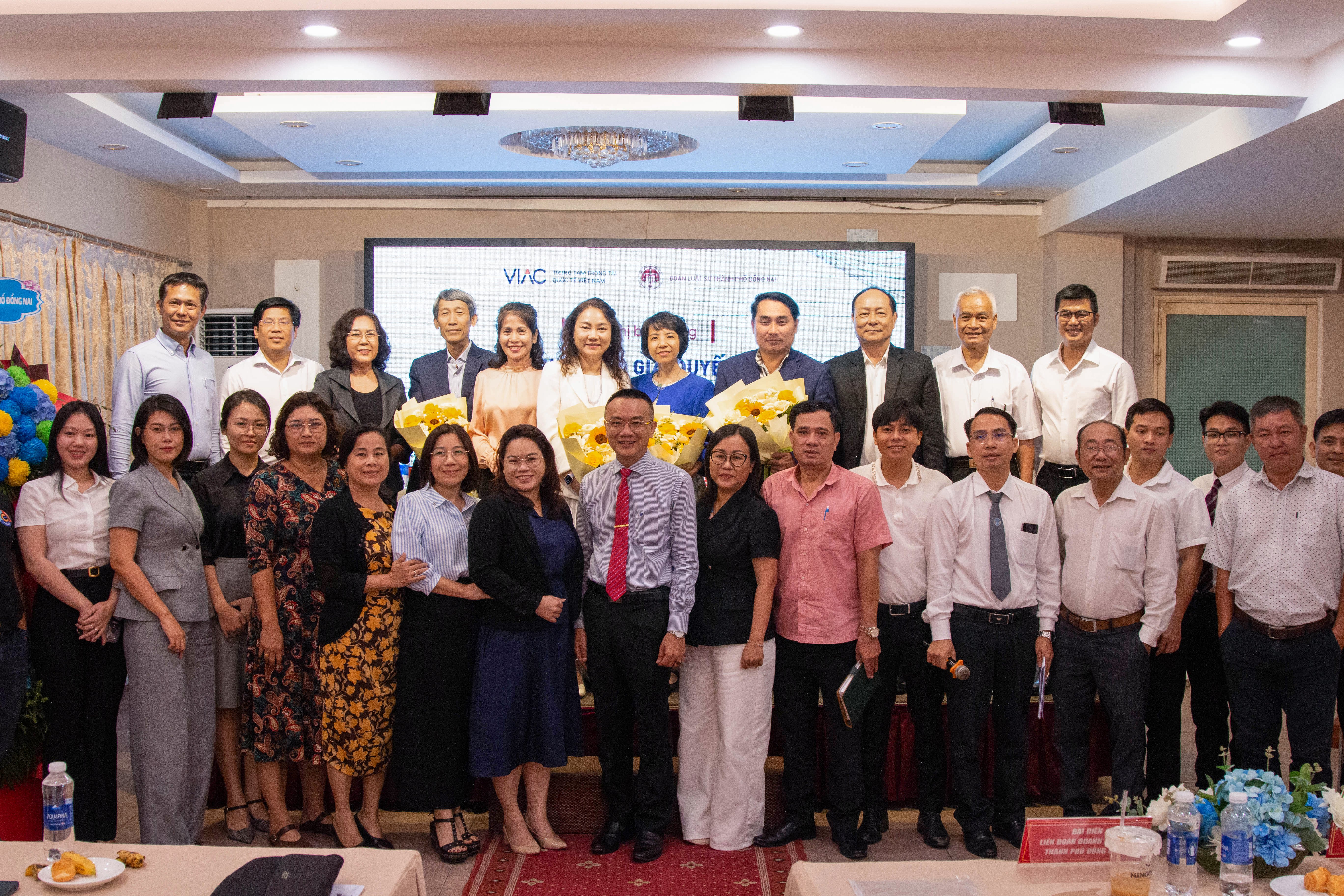
In particular, the joint organization of the conference serves as a catalyst for deepening institutional connectivity and professional collaboration between VIAC and the Dong Nai Bar Association in delivering continuing legal education, exchanging practical expertise, and upgrading practice skills for the legal fraternity. Looking ahead, both institutions aim to empower legal professionals and investment stakeholders in enhancing risk governance, dispute prevention, and dispute resolution capabilities, thereby fostering a transparent, stable, and sustainable investment and business climate.