- VIAC
-
ARBITRATION
- Arbitrate at VIAC
- VIAC eCase
- Combination of Arbitration and Mediation
- International Arbitration
- Resources
- NEWS & EVENTS
- Contact
-




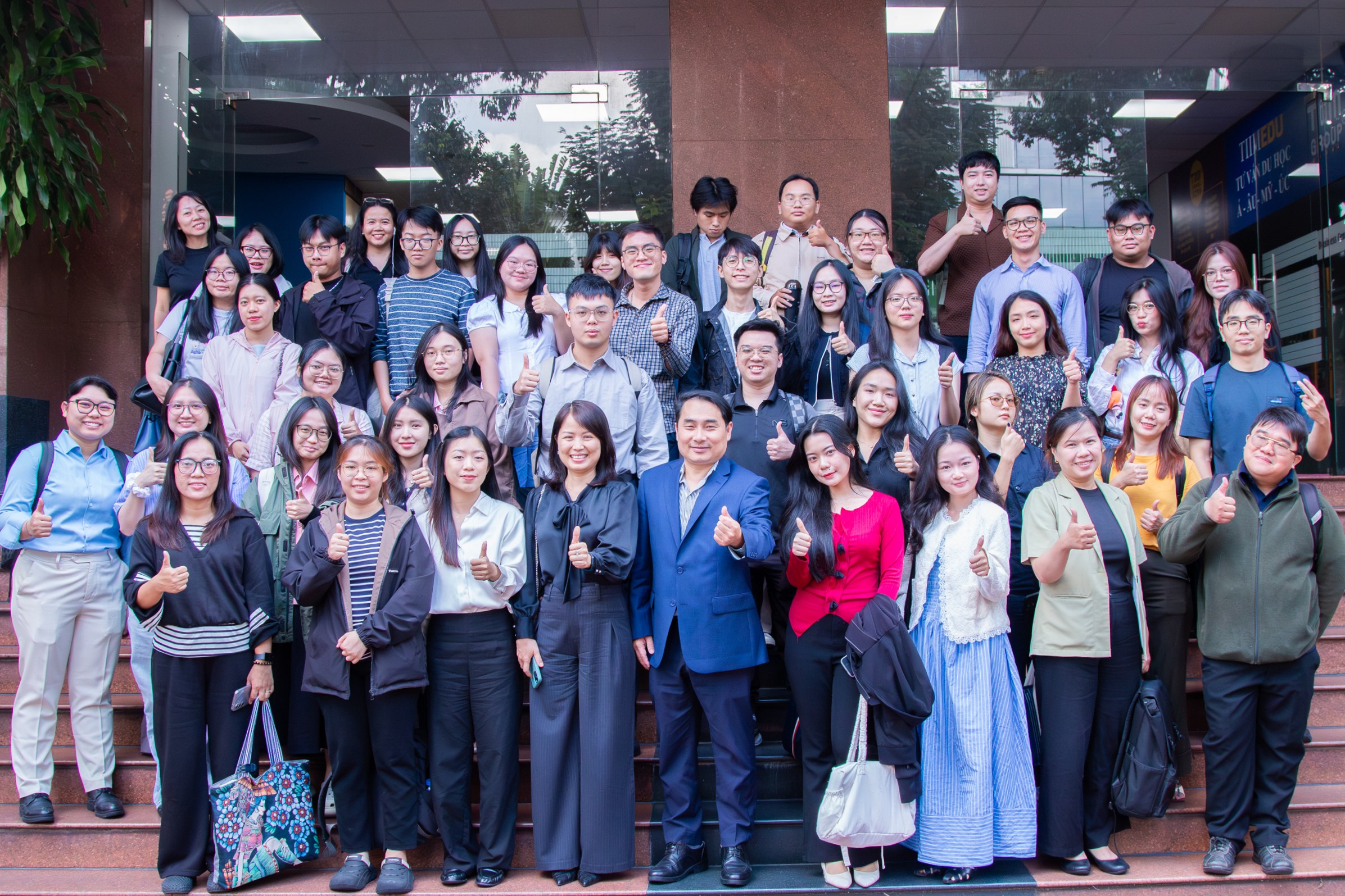
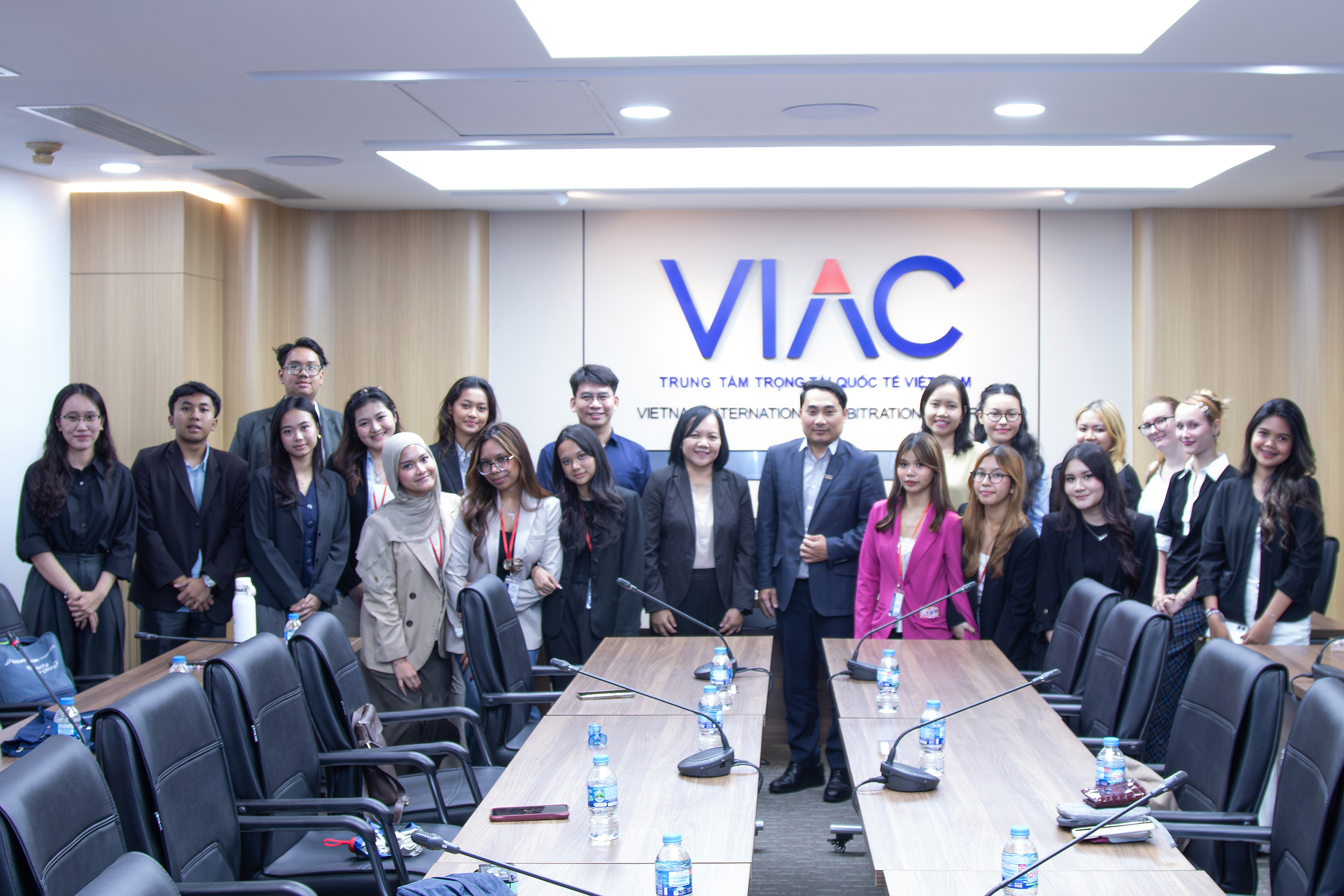
On the morning of October 14, the Vietnam International Arbitration Centre (VIAC) welcomed and engaged in an exchange session with a delegation of students from the Faculty of International Law, Ho Chi Minh City University of Law (ULAW). Organised as an observational study visit for ULAW students, this recurrent collaborative initiative with VIAC provides students with firsthand exposure to real-world professional practice in the field of arbitration.
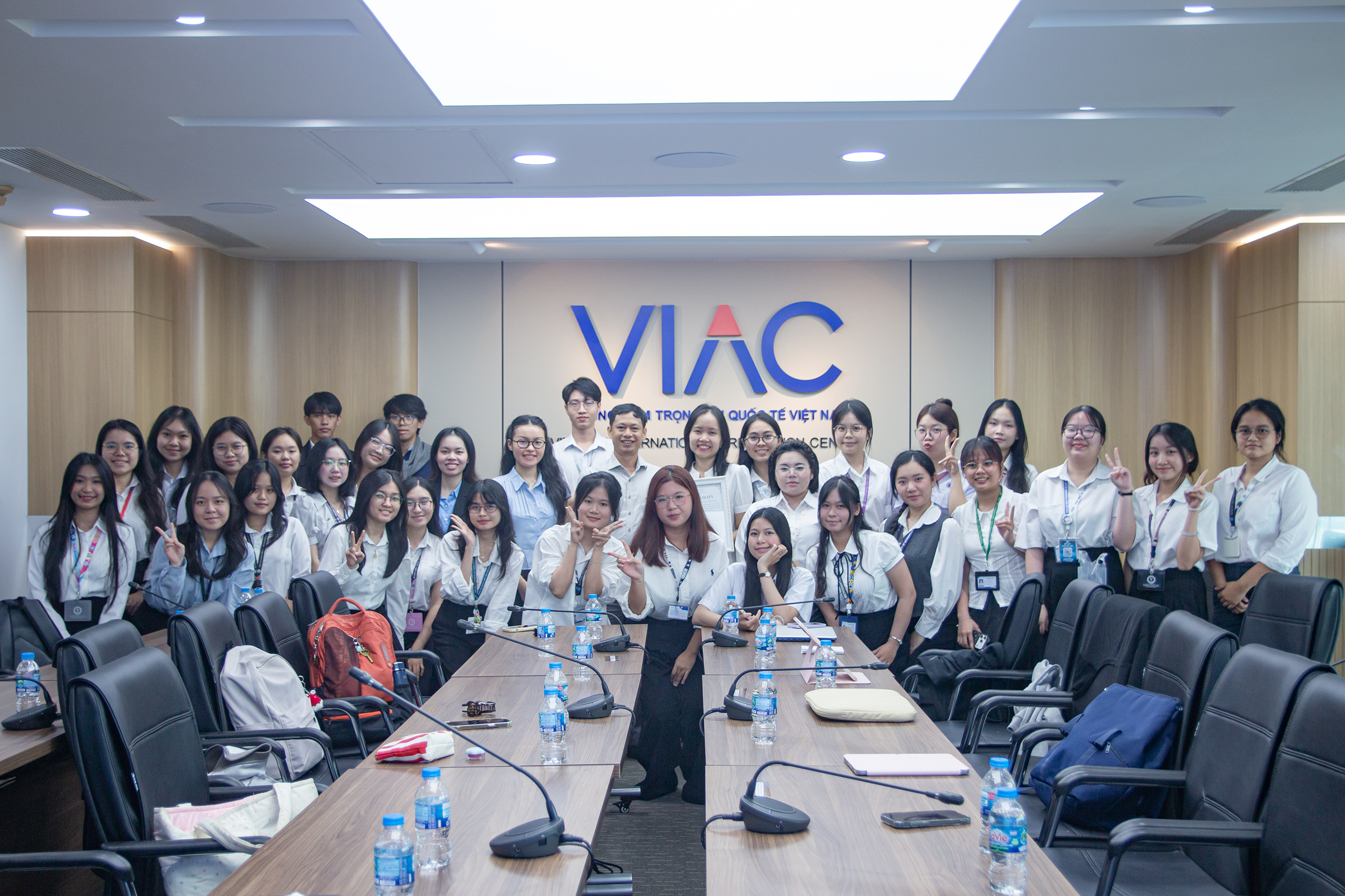
On behalf of the VIAC, the representatives attending the meeting were Mr. Chau Viet Bac - Deputy Director of the VIAC Ho Chi Minh City Branch, Ms. Ton Nu Cam Tram - Counsel of the Secretariat, Ms. Bui Nguyen Huong Minh – Member of the Secretariat and Ms. Luong Phuong Anh - Officer of the Business Development & Promotion department. The ULAW delegation was represented by Mr. Vo Hung Dat - Lecturer at the Faculty of International Law, alongside more than 30 students from the Faculty of International Law.
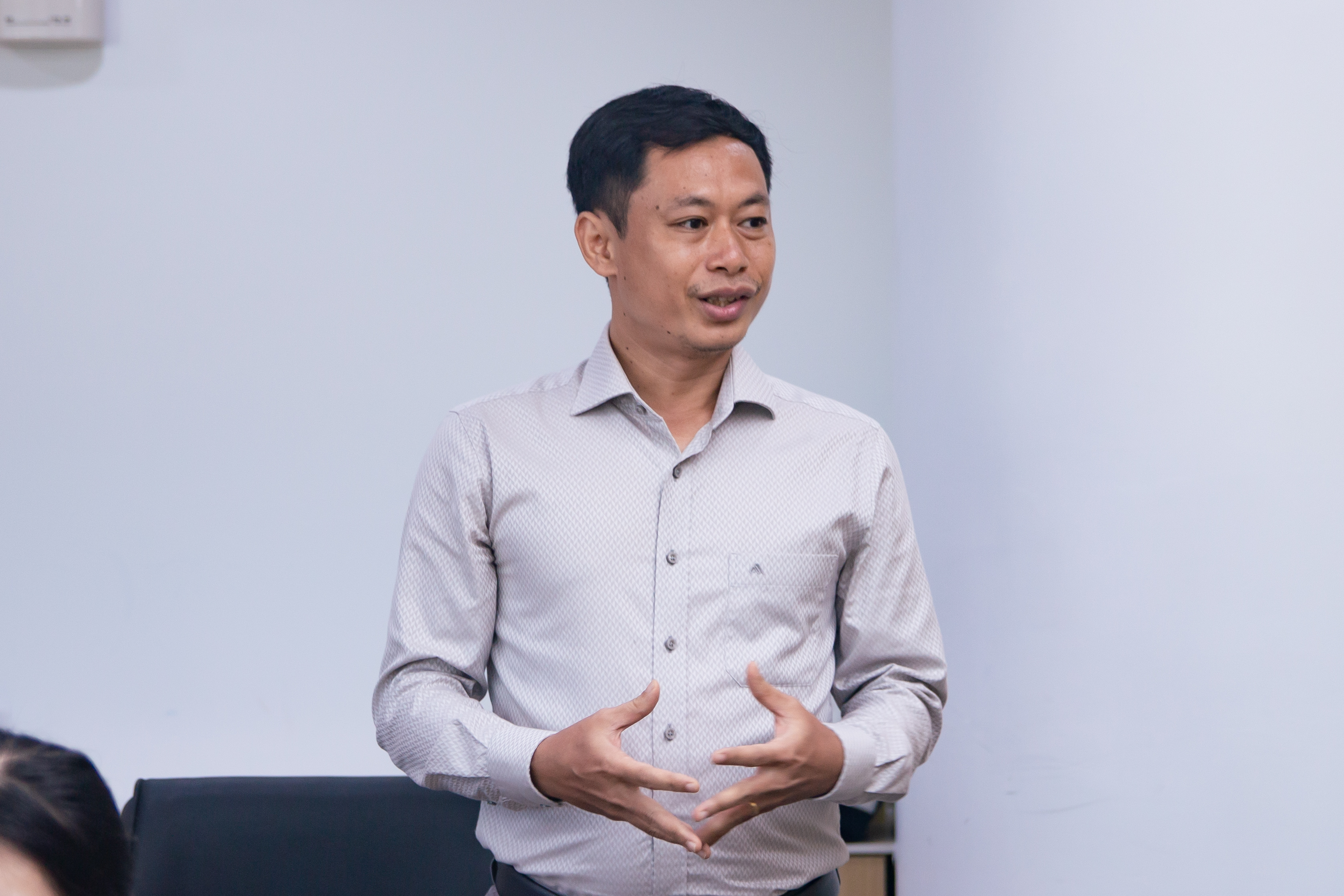
Mr. Vo Hung Dat - Lecturer at the Faculty of International Law, Ho Chi Minh City University of Law (ULAW)
Opening the session, Mr. Vo Hung Dat - Lecturer at the Faculty of International Law, Ho Chi Minh City University of Law (ULAW) and coordinator of the program, extended his sincere appreciation to VIAC for its close coordination and ongoing partnership in this annual observational study program for students. He noted that the visit provides undergraduates with a valuable opportunity to gain direct exposure to the Centre’s operational environment and explore commercial arbitration as an alternative dispute resolution mechanism, thereby consolidating their academic knowledge and enriching practical insights. Mr. Vo Hung Dat also expressed his hope that VIAC and ULAW would continue to maintain and foster their collaborative partnership through practical study visits and hands-on networking activities, ultimately contributing to higher training quality and bridging the gap between academic education and the legal profession.

Mr. Chau Viet Bac - Vice Director of the VIAC Ho Chi Minh City Branch
On behalf of VIAC, representing VIAC, Mr. Chau Viet Bac - Vice Director of the VIAC Ho Chi Minh City Branch, expressed his pleasure at the continued execution of the observational study program for students from the Faculty of International Law, Ho Chi Minh City University of Law (ULAW), which contributes to strengthening the cooperative ties between the two institutions. He underscored the significance of practical study visits in bringing alternative dispute resolution (ADR) mechanisms in general, and arbitral proceedings in particular, closer to students. Such exposure offers undergraduates the opportunity to gain firsthand insight into arbitral procedures and operational practices, familiarize themselves with the professional legal environment, and accumulate essential practical experience during their university years. Looking forward, VIAC expects this bilateral cooperation to further develop, unlocking more practice-oriented learning opportunities for law students in the future.
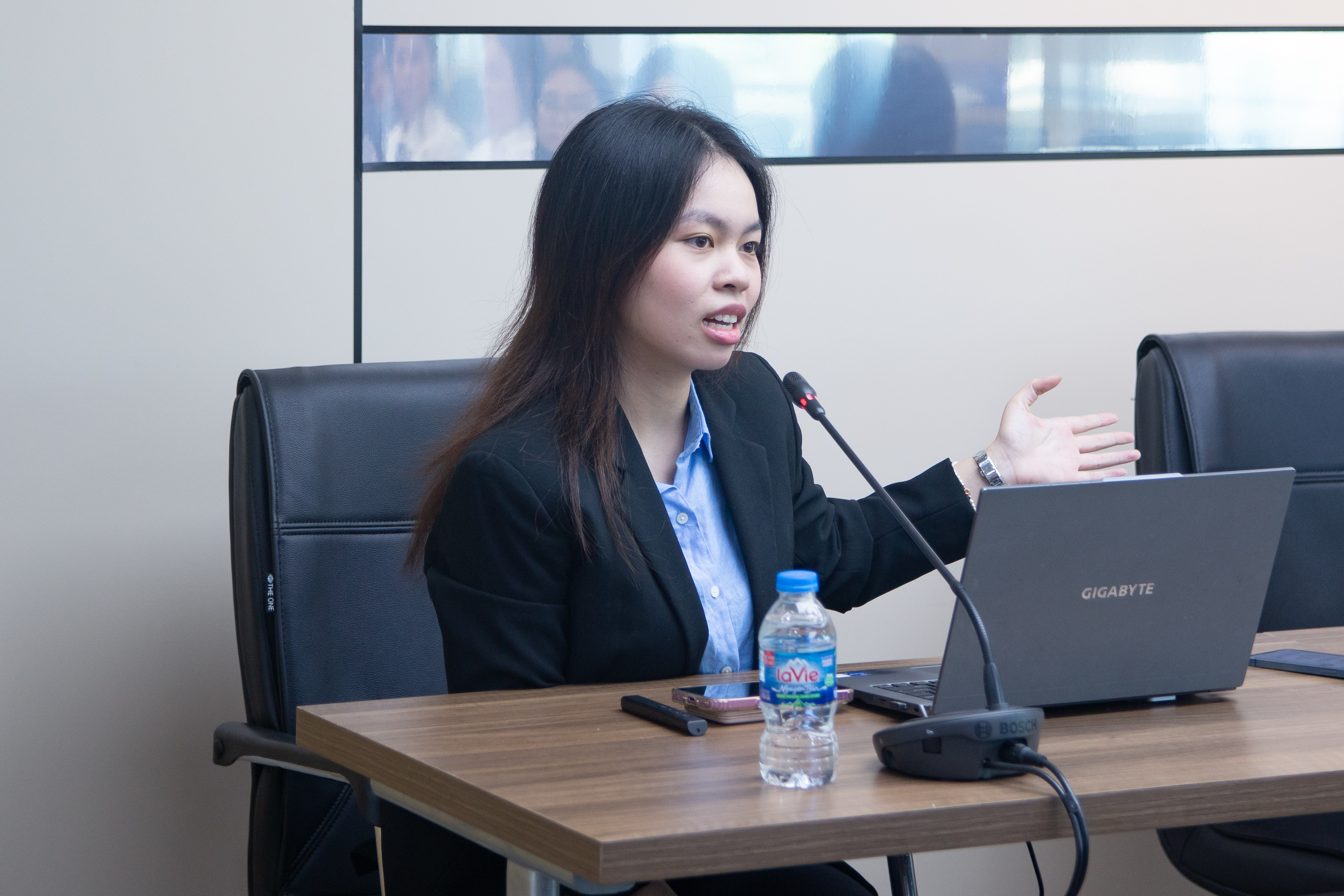
Ms. Luong Phuong Anh - Officer of the Business Development & Promotion department at VIAC
Continuing the program, Ms. Luong Phuong Anh - Officer of the Business Development & Promotion department at VIAC, delivered an overview of the Centre’s history, core functions, and organizational structure, while presenting key information regarding its affiliated divisions and principal operations. Beyond dispute resolution via arbitration and alternative dispute resolution (ADR) mechanisms, her presentation highlighted VIAC’s promotional initiatives. Accordingly, one of VIAC's primary objectives is to disseminate knowledge on commercial arbitration and ADRs, foster professional exchanges, and strengthen engagement with key stakeholders. These concerted efforts aim to elevate public awareness of arbitration, bridge the gap between alternative dispute resolution methods and the wider community, and advance their practical implementation.
The VIAC representative also placed special emphasis on the Centre's strategic cooperation with legal training institutions through academic conferences, seminars, specialized training sessions, and student study visit programs. Through these initiatives, undergraduates gain a comprehensive overview of VIAC’s pivotal role within the dispute resolution ecosystem in Vietnam, while unlocking valuable opportunities to access practical legal knowledge and hands-on experience in the realm of commercial arbitration.
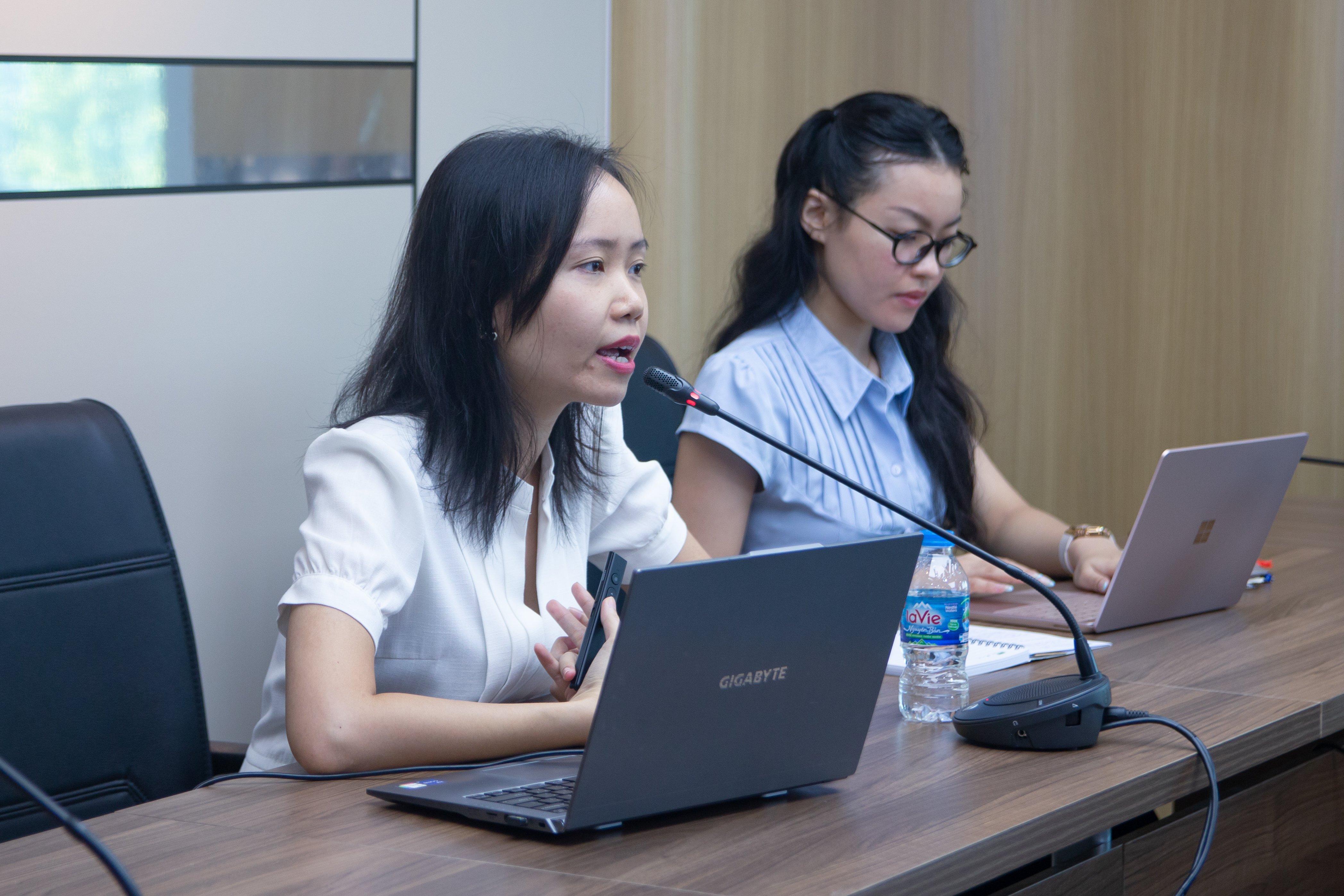
Ms. Ton Nu Cam Tram - Counsel of the Secretariat
Continuing the program, Ms. Ton Nu Cam Tram - Counsel of the Secretariat presented an overview of arbitral proceedings at the Centre, spanning from procedural dispute resolution workflows to practical considerations arising during the conduct of proceedings. Her presentation further addressed the emerging trends in integrating artificial intelligence (AI) and digital technology into arbitration, reflecting notable shifts in modern case management and procedural operations.
Notably, through the introduction of the VIAC Rules 2026 of Arbitration, students gained insights into key amendments geared toward modernizing arbitral proceedings. These reforms specifically facilitate consultations between the Arbitral Tribunal and the parties on leveraging information technology, including AI-driven tools, as well as conducting hearings in a hybrid format. Such innovations significantly enhance procedural flexibility and efficiency while accommodating parties’ operational demands amid the continuous expansion of cross-border transactions.
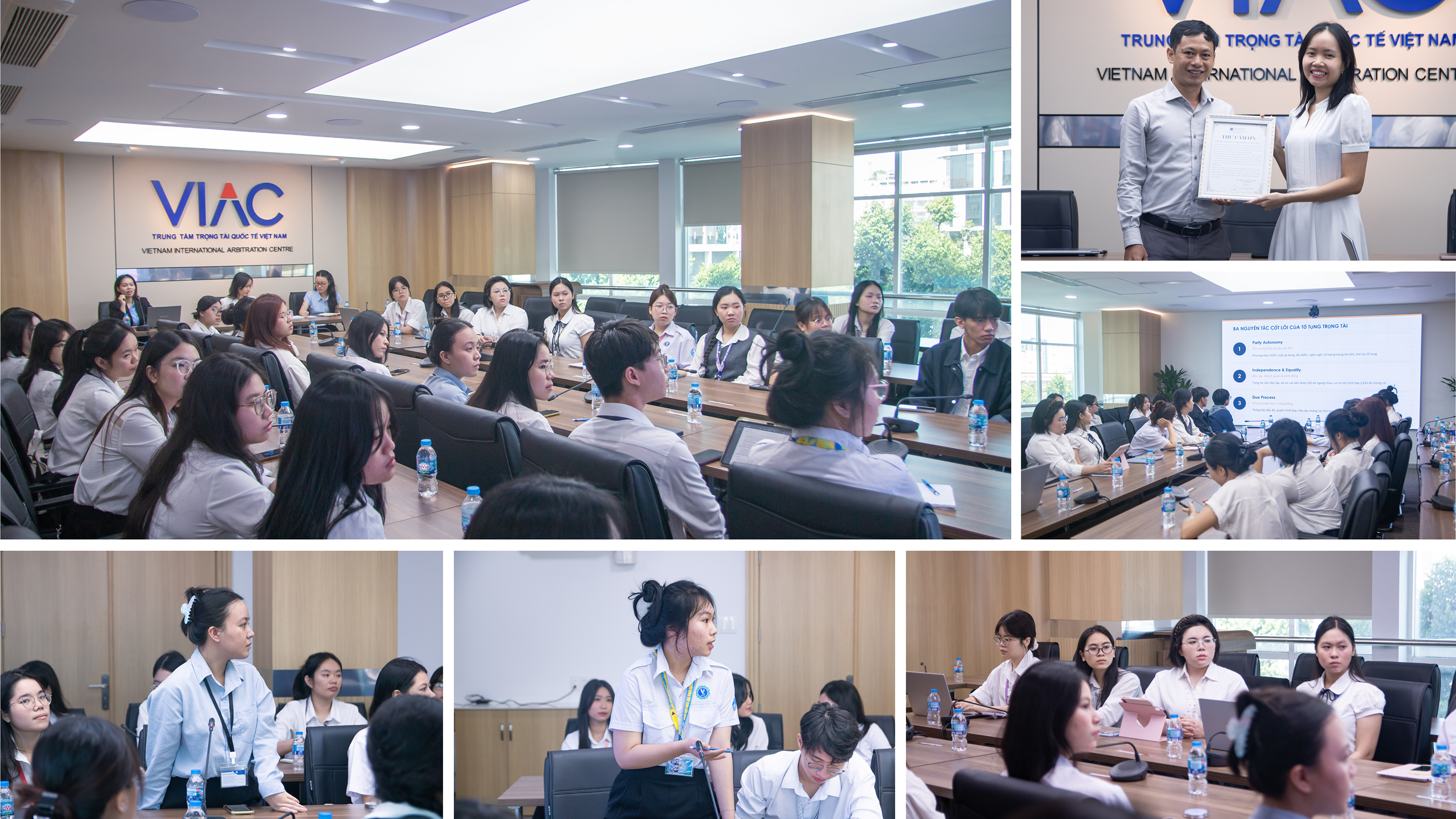
Other images
The session concluded with an open discussion addressing questions from students, regarding VIAC’s promotional initiatives and the practicalities of arbitral proceedings. Alongside questions surrounding professional networking and legal career pathways, students exhibited particular interest in the adoption of artificial intelligence (AI) in arbitration, technology-related legal issues, and the preservation and admissibility of electronic evidence during dispute resolution. These active exchanges helped elucidate practical aspects of arbitral practice while offering undergraduates a platform to engage directly with VIAC practitioners on pressing legal issues shaped by ongoing technological advancements.